
How Arm Lift Surgery: A Detailed Overview
For those who have diligently worked toward their fitness goals, the appearance of loose skin on the upper arms can feel like a frustrating final obstacle. Arm Lift Surgery in Riyadh, technically known as a brachioplasty, is a precise, surgical procedure designed to permanently address this laxity. By removing redundant tissue and tightening the arm's internal structure, the surgery restores a firm, proportionate, and athletic contour. Understanding the technical mechanics of the procedure, from the surgical approach to the healing process, is the best way to prepare for a successful outcome.
The Surgical Strategy: Precision and Planning
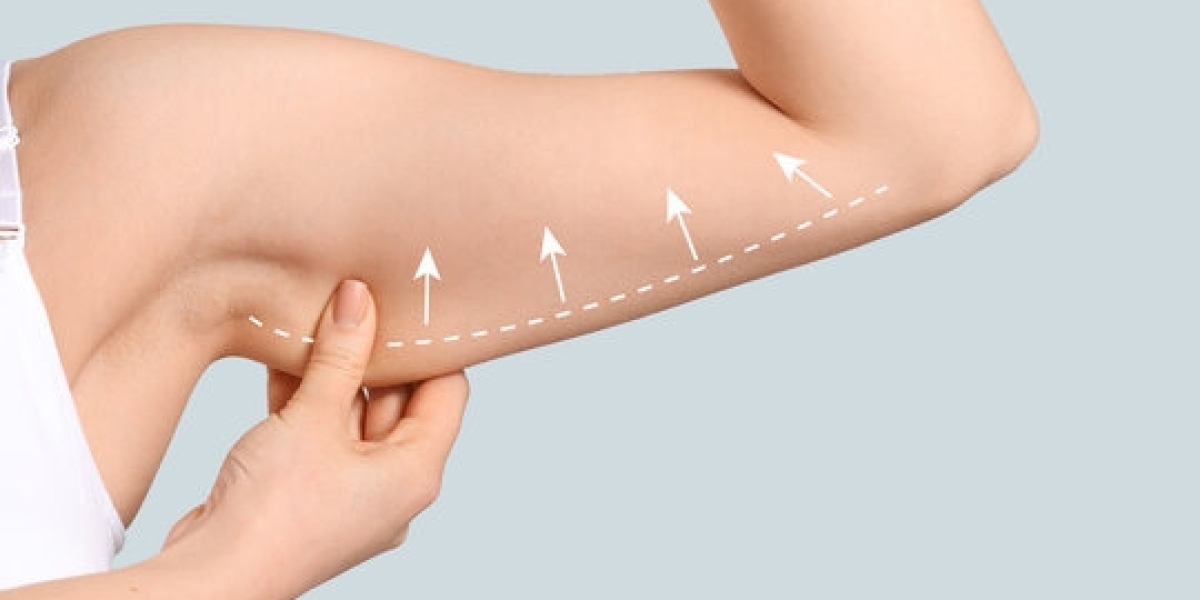
The primary goal of a brachioplasty is to reshape the arm by removing the excess "envelope" of skin that has lost its elasticity. During the pre-operative consultation, your surgeon will carefully map the arm to determine the extent of the tissue redundancy. This planning is highly individualized, as the anatomy of each patient differs. For those with mild skin laxity, a "mini" arm lift—characterized by a smaller incision hidden within the armpit—may be sufficient. However, for individuals who have experienced significant weight loss or have more advanced laxity, a full arm lift is typically necessary.
A full arm lift involves an incision that runs from the armpit down to the elbow. While the thought of this incision may seem daunting, surgeons strategically position it along the inner aspect of the arm. This placement ensures that the scar is naturally concealed in the crease where the arm meets the torso when the arm is at one’s side. The surgeon uses advanced suturing techniques designed to minimize tension, which allows the incision to heal into a thin, mature line that becomes progressively less noticeable over time.
The Mechanism of Transformation
The transformation occurs through a two-part process: excision and structural support. Once the surgeon makes the precise incision, the excess skin and subcutaneous fat are removed. However, simply removing skin is not enough to create a lasting result; the underlying structure must also be addressed. The surgeon tightens the deep-layer fascia, the fibrous tissue that provides the arm with its natural shape. By tensioning this layer and securing it with internal sutures, the surgeon creates a new, firm internal "scaffold."
This structural tightening is what prevents the skin from stretching out again. Furthermore, in many surgical plans, the surgeon incorporates liposuction to refine the remaining fat deposits. By thinning the fat layer and smoothing the transition between the arm and the shoulder, the surgeon ensures the arm does not look overly "flattened" or rigid. The combination of skin excision, deep-layer tightening, and targeted liposuction is what results in a truly natural, toned appearance.
The Healing Process: Protecting Your Results
The recovery phase is where the structural work performed in the operating room is "locked in." Following the procedure, the arms will be dressed and wrapped in a compression garment. This garment is essential for the first few weeks, as it applies consistent pressure that minimizes post-operative fluid collection (seromas) and supports the healing tissue. By keeping the skin snug against the underlying muscles, the compression garment prevents the formation of ripples or indentations, ensuring that the skin adheres smoothly as it heals.
Patients can generally anticipate returning to light, non-strenuous desk work within a week. However, the most critical rule during the first six weeks is the total avoidance of vigorous upper-body movement. Reaching overhead, lifting heavy objects, or intense gym training must be paused. This period of rest is vital because the internal sutures need time to stabilize without the tension of active muscle movement. Ignoring these restrictions can put unnecessary strain on the incisions, potentially leading to wider, more visible scars.
Long-Term Outcomes and Expectations
The final result of an arm lift is intended to be permanent, but it is supported by your lifestyle. The skin that has been removed will not grow back, and the structural tightening of the deep fascia remains intact for the long term. However, the skin will naturally continue to evolve with age, and extreme, rapid fluctuations in weight can still impact the firmness of the area.
To maintain the sculpted results, the best approach is a stable, healthy weight and consistent strength training. By focusing on muscle groups like the triceps and deltoids, you can build a solid foundation of muscle that helps keep the skin taut and firm. This surgical and lifestyle combination provides a lasting fix, allowing you to move through life with arms that feel as strong and defined as they look. By understanding the rigorous mechanics of how this surgery works, patients can approach their transformation with confidence, knowing exactly what is required to achieve and maintain their desired aesthetic.