
When people want a space to feel premium, grounded, and long-lasting, they often come back to one material: natural stone. It has a character that manufactured surfaces try to copy but rarely fully match. The subtle movement, the depth of color, the organic texture, and the sense of permanence all make it stand out in both homes and commercial spaces.
What makes natural stone so appealing is that it is not only beautiful. It is also practical when chosen carefully for the right application. From kitchen countertops and bathroom walls to flooring, staircases, facades, and statement features, it brings a level of authenticity that instantly elevates design. Whether the goal is luxury, durability, or timeless style, this material continues to hold its value across trends.
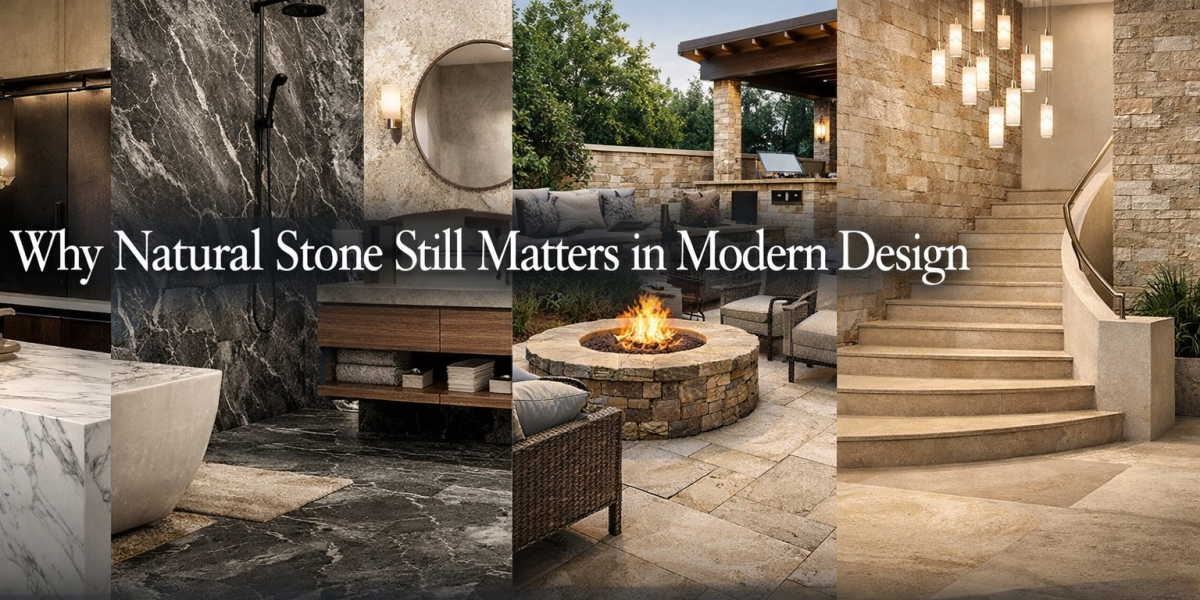
Why Natural Stone Still Matters in Modern Design
In a world full of fast finishes and mass-produced looks, natural stone offers something real. Every slab or tile carries its own pattern, veining, and texture. That uniqueness gives designers, architects, and homeowners a finished result that feels one of a kind.
This is one reason why natural stone remains a preferred choice in premium interiors. Marble creates elegance. Granite adds strength. Limestone brings softness. Slate offers texture and mood. Travertine delivers warmth and old-world charm. Each variety serves a different design language, but all of them share a sense of authenticity that is hard to replace.
Another reason it matters is longevity. A well-selected and properly maintained stone surface can last for years while continuing to look refined. For many buyers, that long-term value is just as important as the visual appeal.
Popular Applications of Natural Stone
One of the biggest strengths of natural stone is its versatility. It works across many surfaces and design styles, from classic to ultra-modern.
Flooring
Stone flooring remains a strong choice for living rooms, hotel lobbies, patios, and luxury retail spaces. It feels substantial underfoot and can create a clean, high-end look. For example, large-format marble flooring can make a space feel expansive, while textured slate can give outdoor walkways a more grounded character.
Walls and Feature Areas
Natural stone on walls adds depth and visual interest. It can be used behind a vanity, on a fireplace wall, in a shower area, or as a dramatic hotel reception backdrop. Even a small feature wall in stone can completely change the mood of a room.
Countertops and Work Surfaces
Granite and marble remain popular for countertops, islands, and vanity tops. Homeowners often choose them because they want a surface that feels premium and makes a visual statement. In commercial settings, they are also used to communicate quality and trust.
Outdoor and Exterior Use
Stone is not limited to interiors. It is widely used for facades, garden paths, pool areas, and outdoor kitchens. When the right type is chosen, it handles weather beautifully while aging with character.
The Real Benefits Buyers Care About
People do not choose natural stone only because it looks expensive. They choose it because it solves multiple design and functional needs at once.
First, it adds timeless appeal. Trends come and go, but stone rarely feels outdated. A well-designed stone application can still look relevant many years later.
Second, it creates a premium perception. This matters not only in homes but also in commercial environments such as hotels, showrooms, luxury stores, and offices. Materials influence how people feel about a space, and stone often signals quality.
Third, it offers design depth. Unlike flat, uniform finishes, natural stone has movement and variation. That variation gives surfaces more visual life, especially under natural lighting.
Fourth, it can improve property value. Buyers and investors often associate stone finishes with durability and upscale design, which can positively affect how a property is perceived.
How to Choose the Right Natural Stone
Not every stone is right for every job. This is where many buyers get confused. A beautiful product sample may look perfect in isolation but behave differently once installed across a full surface.
Match the Stone to the Use Case
For a busy kitchen, durability and maintenance matter. For a bathroom wall, visual elegance may matter more. For an exterior facade, weather performance becomes critical. The right decision depends on where the material will be used and how much wear it will face.
Understand Finish and Texture
Polished surfaces reflect more light and usually feel more luxurious. Honed finishes appear softer and more understated. Textured finishes may be better for outdoor areas where slip resistance matters. The finish changes both the look and the performance of the surface.
Think About Scale and Pattern
A small sample does not always show the full personality of the stone. Veins, color shifts, and pattern flow become more visible across larger areas. This is why many brands and designers now rely on digital previews before finalizing decisions.
Why Visualization Is Changing the Natural Stone Buying Process
One of the biggest challenges in selling natural stone has always been imagination. Buyers are shown samples, slabs, or catalog images and are expected to picture the final result in their own space. That is not easy, especially when the project involves large areas, multiple surfaces, or strong patterns.
This is where visualization technology has become important. Instead of guessing, customers can now see how a stone may look on floors, walls, countertops, or feature areas before buying. That reduces uncertainty and helps them make faster, more confident decisions.
For stone brands and sellers, this is a major advantage. It improves customer engagement, makes presentations more persuasive, and reduces the risk of disappointment later. Platforms like Nirwana.ai are helping brands present materials more realistically so buyers can explore options in a way that feels much closer to the final outcome. Rather than relying only on physical samples, brands can show how products work in actual room settings, which makes the buying journey far more intuitive.
Real-World Example: From Confusion to Confidence
Imagine a homeowner choosing between a soft beige limestone and a dramatic grey marble for a living-dining area. On sample boards, both look attractive. But once visualized in a full room, the difference becomes clearer. The limestone may create a warmer, more relaxed environment, while the marble may deliver a sharper, more luxurious effect.
That clarity helps the buyer move forward with confidence. The same applies to builders, architects, and commercial buyers who need to evaluate multiple options across large projects. Seeing the surface in context often changes the conversation from uncertainty to decision.
This is also where Nirwana.ai naturally fits into the modern sales process. By helping brands present stone finishes in realistic spaces, it supports better communication between sellers, designers, and end customers.
Natural Stone in Contemporary and Classic Spaces
One of the best things about natural stone is that it does not belong to just one style. In a modern minimalist home, it can look clean, sharp, and sophisticated. In a traditional interior, it can feel rich, layered, and timeless. In a hospitality setting, it can create instant visual impact while supporting durability.
That flexibility makes it one of the few materials that works across many design directions without losing relevance. It can be bold or quiet, luxurious or rustic, formal or relaxed. The final effect depends on the stone type, finish, installation style, and surrounding materials.
Final Thoughts
Natural stone continues to be one of the most trusted and admired materials in design for a reason. It brings authenticity, depth, durability, and long-term beauty to spaces that need more than just a surface finish. When chosen thoughtfully, it can transform both the look and feel of a project in a way that few other materials can.
As buyers become more design-aware, the ability to see and understand materials before purchase is becoming just as important as the material itself. If you want to explore better ways to present and experience stone finishes, Nirwana.ai is part of the shift toward smarter, more confident material selection.