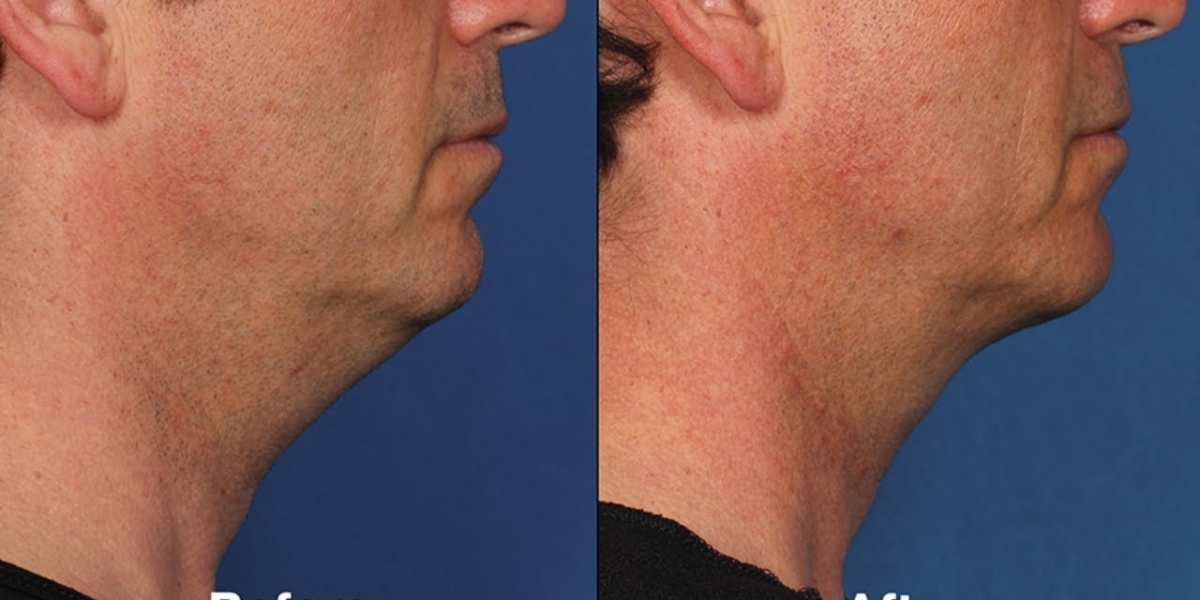

Why Patient Education is Key to Successful Chin Reduction Outcomes
The journey to a refined, balanced profile through Chin Reduction Riyadh is as much an intellectual process as it is a surgical one. At its core, the success of the procedure depends on a collaborative partnership between the patient and the surgical team. Patient education acts as the bridge in this partnership, transforming abstract aesthetic goals into clear, achievable medical outcomes. When you are fully informed about the nuances of your anatomy, the limitations of the procedure, and the reality of the healing process, you are empowered to make decisions that align with your long-term wellness. This foundational knowledge is, ultimately, the strongest predictor of satisfaction with your final result.
Demystifying the Anatomy: Understanding Your Own Blueprint
The first pillar of patient education is understanding that your facial anatomy is a unique architectural blueprint. Many patients enter a consultation with a generalized idea of what they want, but true success comes from understanding why their specific chin is prominent—whether it is a matter of bone projection, vertical height, or soft-tissue distribution. When a surgeon takes the time to explain your CT scans or 3D facial imaging, they are teaching you how to "read" your own face.
This education turns the surgical plan into a logical necessity rather than a mysterious "black box." You learn that a sliding genioplasty isn't just about "making it smaller," but about repositioning the skeletal base to achieve geometric harmony with your nose and lips. By demystifying the anatomy, you gain a realistic perspective on what the surgery can realistically achieve. You move from a place of hoping for a "perfect" chin to understanding the structural refinement that will best complement your natural, unique features.
Setting Realistic Expectations for the Healing Journey
A common source of post-operative anxiety is the discrepancy between a patient's expectations and the reality of the healing process. Education on the recovery timeline is, therefore, a critical component of surgical success. Patients who are educated about the stages of inflammation—knowing, for example, that the lower face is a highly vascular area and that swelling can be significant for the first 72 hours—are much more likely to remain calm during the recovery phase.
Education also covers the "invisible" healing happening beneath the surface, such as the time required for the bone segments to fuse (osseous union) and for the nerves to fully stabilize. When you know that temporary numbness or a feeling of "tightness" is a standard part of the nerve’s recovery, you are less likely to view these symptoms as complications. By setting these expectations in advance, your surgeon empowers you to approach the downtime as a necessary, temporary phase of a larger, positive transformation. You stop viewing recovery as a struggle and start viewing it as a structured transition.
The Role of Long-Term Care and Maintenance
Finally, patient education provides you with the tools for long-term stewardship of your new profile. You learn the importance of specific post-operative habits—like nutrition for bone healing, the correct use of compression garments, and the timing of physical activity—that are essential for protecting the integrity of your new, stabilized bone structure. This knowledge extends into the future, as you learn how to care for your skin and maintain jaw health in a way that supports your new, balanced profile as you age.
An educated patient is an engaged patient, and an engaged patient is a compliant one. When you understand how your actions directly influence the stability of your titanium hardware and the final aesthetic "drape" of your soft tissues, you take an active, responsible role in your own success. This level of participation is exactly what distinguishes a good surgical experience from a great one. By investing the time to learn the science behind your procedure, you aren't just undergoing a surgery; you are masterfully crafting a refined, long-term version of your own face, armed with the knowledge to maintain that balance for years to come.