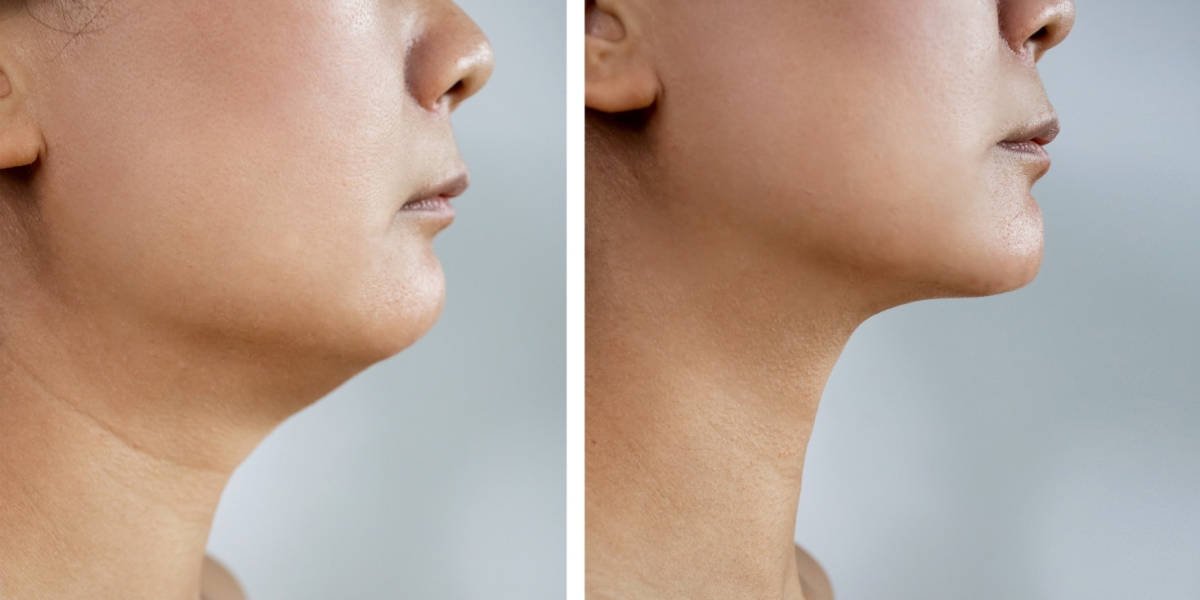

The Truth About Double Chin Removal: Recovery and Results
When considering Double Chin Removal in Riyadh, understanding the reality of the recovery process and the expected results is as important as choosing the right procedure. Whether you opt for a minimally invasive injectable or a more comprehensive surgical correction, the journey toward a sharper jawline involves a commitment to healing and an understanding of how your body will adapt to the changes. By demystifying the timeline and the outcomes, patients can approach their aesthetic goals with realistic expectations and the confidence that they are making an informed decision for their profile.
Understanding Recovery Timelines
Recovery varies significantly based on the technique used. It is helpful to categorize these into non-invasive, minimally invasive, and surgical recovery paths.
Non-Invasive Treatments (CoolSculpting, Energy-Based Tightening): These require virtually no downtime. Patients can usually return to their normal daily routine immediately. Some may experience mild redness, tenderness, or temporary numbness in the submental area, but these symptoms typically resolve within a few days.
Minimally Invasive Procedures (Fat-Dissolving Injections, Endolift): These treatments may involve more noticeable swelling and bruising that can last from several days up to two weeks. It is often recommended to plan for a few days of reduced social activity while the initial inflammation subsides.
Surgical Procedures (Liposuction, Neck Lifts): Surgery requires a more structured recovery. Patients should plan to take at least one week off from work or strenuous activities. Compression garments are typically required during the first two weeks to support the tissues, reduce fluid retention, and help the skin adhere to the new, contoured jawline. While initial swelling subsides within a few weeks, final tissue settling can take several months.
Managing Expectations for Results
The "truth" about results is that they are deeply tied to the patient's starting anatomy and the chosen method.
Gradual vs. Immediate: Non-surgical fat reduction is a process, not a singular event. Because the body needs time to metabolize destroyed fat cells or produce new collagen, results appear gradually over 1 to 4 months. In contrast, surgical procedures provide a significant, immediate "debulking" of the area, though the final, refined contour continues to improve as swelling diminishes.
Permanence: A critical distinction lies in permanence. Procedures that physically remove fat cells, such as liposuction, offer permanent results because those cells are gone. Non-surgical methods that destroy fat cells are also long-lasting, provided that the patient maintains a stable body weight. However, aging is a continuous process. While a procedure can turn back the clock, it cannot stop the natural progression of skin laxity that occurs over the years.
Defining the Jawline: Results are most successful when the procedure matches the problem. If a patient has significant skin laxity, they must be aware that fat removal alone may not provide a "tight" look. Often, the best outcome is achieved through a combination approach—addressing both the fat volume and the skin's structural integrity.
The Importance of Professional Guidance
The most successful outcomes in the city are achieved through an honest dialogue with a qualified specialist. During your consultation, an expert will perform a physical examination to test the elasticity of your skin and the density of your fat. This assessment is the "truth" of the procedure—it tells you whether you are a candidate for a simple injection, a contouring device, or a surgical lift. By prioritizing this professional evaluation and following post-procedural care instructions, such as wearing compression garments or avoiding heavy exercise, you maximize the safety and quality of your final result. With patience and the right treatment plan, you can successfully refine your profile and achieve a silhouette that reflects your aesthetic vision.
Ready for the next title!