
Outside drains are one of those parts of your home that you never really think about — until they stop working. When an outside drain becomes blocked, water starts pooling in your yard, on your driveway, or around your home's foundation. Left untreated, a blocked outside drain can lead to flooding, property damage, and even structural issues. The good news is that many outside drain blockages can be cleared with the right approach. The not-so-good news is that some blockages go deeper than any DIY method can reach — and that is when you need a professional plumber.
This guide walks you through how to unblock an outside drain yourself, the tools you will need, and the clear signs that tell you it is time to call in a licensed plumber.
What Causes an Outside Drain to Block?
Before you start trying to fix the problem, it helps to understand what caused it in the first place. Outside drains are exposed to the elements 24 hours a day, which means they are constantly collecting everything that washes off your roof, driveway, and yard.
The most common causes of blocked outside drains include:
- Leaves and garden debris — Especially during autumn, leaves and twigs can quickly build up and block drain grates and pipes.
- Dirt and mud — Heavy rainfall can wash large amounts of soil into your drains, causing slow-moving or completely blocked pipes.
- Tree roots — Over time, tree roots grow toward moisture and can crack or completely block drain pipes underground.
- Grease and fat — If your outside drain is connected to your kitchen, grease and fat build-up is a common cause of blockages.
- Foreign objects — Small objects such as stones, plastic, or toys can get lodged in the drain and cause a blockage.
Knowing the cause can help you choose the right method to fix it.
Tools You Will Need
For basic outside drain unblocking, you may need the following tools:
- Rubber gloves
- A drain rod or plumber's snake
- A garden hose with a strong jet setting
- A bucket
- A drain unblocker or baking soda and vinegar solution
- A flat-head screwdriver or drain key to lift the drain cover
Always wear rubber gloves when working with drains, as the contents can be unhygienic and harmful.
Step-by-Step Guide to Unblocking an Outside Drain
Step 1: Remove the Drain Cover
Use a flat-head screwdriver or a drain key to carefully lift the drain cover. Set it aside and take a look inside. In many cases, the blockage will be sitting right at the top and can be removed by hand.
Step 2: Remove Visible Debris by Hand
Put on your rubber gloves and remove any visible debris from the drain opening. Leaves, mud, and small objects are often the culprit and can be cleared quickly without any special tools.
Step 3: Use a Drain Rod or Plumber's Snake
If the blockage is further down the pipe, a drain rod or plumber's snake is your best option. Insert the rod into the drain and push it forward with a twisting motion to break up the blockage. Keep pushing and twisting until you feel the resistance ease and water begins to flow freely.
Step 4: Flush the Drain With a Garden Hose
Once the blockage has been broken up, use a garden hose on its strongest jet setting to flush out any remaining debris. Direct the water straight down into the drain and allow it to run for a few minutes to ensure the pipe is completely clear.
Step 5: Try a Natural Drain Cleaner
If the drain is still slow after rodding and flushing, try pouring a mixture of baking soda and white vinegar down the drain. Allow it to sit for 15 to 20 minutes, then flush with hot water. This can help break down grease, soap scum, and organic matter that may be coating the inside of the pipe.
Step 6: Replace the Drain Cover
Once the drain is flowing freely, replace the drain cover and clean up the area around it. Run water through the drain one more time to confirm the blockage has been fully cleared.
When DIY Is Not Enough — Signs You Need a Plumber
While the steps above work well for most basic blockages, there are situations where a DIY approach simply will not cut it. Attempting to fix a serious drain problem without the right equipment and expertise can actually make things worse and end up costing you more in the long run.
Here are the clear signs that it is time to call a licensed plumber:
The blockage keeps coming back — If your outside drain blocks repeatedly despite regular cleaning, there is likely a deeper issue such as a damaged pipe, collapsed section, or tree root intrusion that requires professional diagnosis.
You can smell sewage — A strong sewage smell coming from your outside drain is a serious warning sign. It could indicate a cracked sewer pipe or a problem with your overflow relief gully that needs immediate professional attention.
Multiple drains are blocked at the same time — If more than one drain in or around your home is blocked simultaneously, the problem is likely in the main sewer line rather than an individual pipe. This is not something that can be fixed with a drain rod.
Water is backing up inside your home — If clearing your outside drain causes water to back up through indoor drains, toilets, or basins, you have a serious plumbing issue that requires urgent professional help.
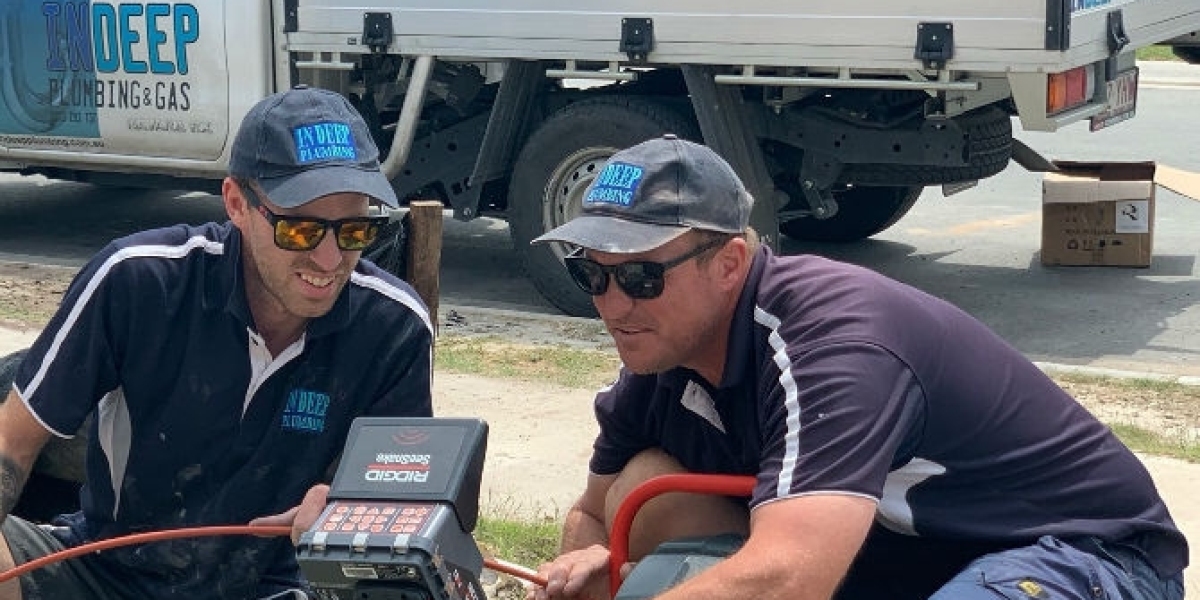
You suspect tree root intrusion — Tree roots inside a drain pipe cannot be removed with basic tools. A licensed plumber will use a CCTV drain camera to locate the roots and high-pressure water jetting equipment to clear them safely and effectively.
The drain pipe appears cracked or collapsed — If you can see visible damage to the pipe or notice sinkholes forming in your yard near the drain, the pipe may be cracked or collapsed. This requires professional repair or replacement.
Why a Licensed Plumber Gets It Right the First Time
There is a big difference between clearing a surface-level blockage and diagnosing a deeper drainage problem. A licensed plumber has access to professional equipment including CCTV drain cameras, high-pressure water jetters, and pipe relining tools that allow them to identify and fix the root cause of a blockage — not just the symptoms.
Attempting to fix a serious drain problem without the right knowledge can damage your pipes further, void your home insurance, or create health and safety risks for your household. A licensed plumber will get it right the first time, saving you time, money, and stress in the long run.
Final Thoughts
Unblocking an outside drain is something most homeowners can handle with the right tools and a bit of patience. Start with the simple steps outlined above and work your way through them systematically. However, always be honest with yourself about the limits of what a DIY approach can achieve. If the blockage is persistent, severe, or showing any of the warning signs listed above, do not hesitate to call a licensed plumber. Some problems are simply too important to leave to chance.