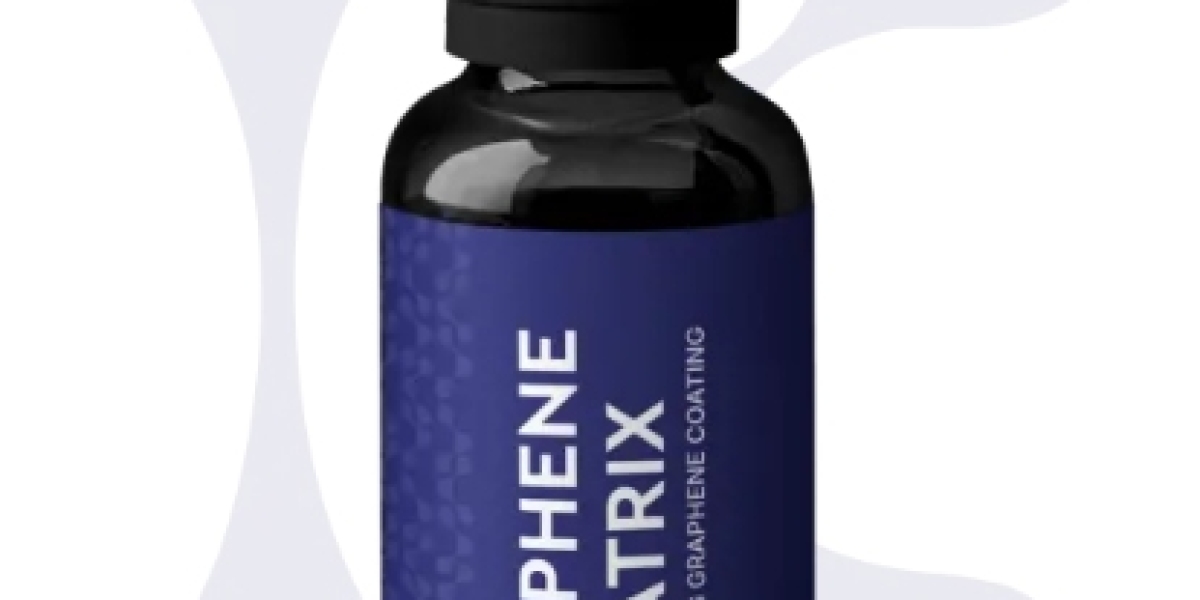

If you apply a high-end coating like Kovalent Graphene Matrix over unprepared paint, you aren't protecting your car—you are "locking in" its defects. Professional detailing is a multi-stage surgical process that ensures the coating bonds at a molecular level.
Stage 1: Chemical & Mechanical Decontamination
Before a polisher even touches the car, it must be clinically clean.
● The DIY Mistake: Most DIYers just wash the car with bucket water. This leaves behind "bonded contaminants"—microscopic iron particles from brake dust, industrial fallout, and tree sap that are stuck inside the pores of the paint.
● The Pro Way: Professionals use specialized iron removers and a Clay Bar treatment. This pulls out embedded grit, leaving the surface smooth as glass. If you coat over these particles, the coating will peel off prematurely.
Stage 2: Multi-Stage Paint Correction
This is the most critical difference. Ceramic coating is optically clear; it acts like a magnifying glass.
● The DIY Mistake: Applying coating over "swirl marks" or light scratches makes them permanent and more visible.
● The Pro Way: Using professional machines and our Prolong Series of polishing compounds, a detailer levels the clear coat. This removes the "valleys" (scratches) that catch light, creating a perfectly flat surface. This "leveling" is what creates the deep, 3D gloss Kovalent is known for.
Stage 3: The IPA Wipe (The "Clinical" Step)
Even after polishing, the paint is covered in polishing oils and lubricants.
● The DIY Mistake: Coating over these oils prevents the ceramic from "biting" into the paint. The coating will simply slide off after the first few washes.
● The Pro Way: We use a high-concentration IPA (Iso-Propyl Alcohol) Wipe or a dedicated panel prep solution. This strips every trace of oil, leaving a "naked" surface ready for a permanent chemical bond.
Stage 4: Controlled Application & Curing
● DIY: Applying a coating in a driveway leads to dust nibs getting trapped under the coating.
● Pro: Kovalent coatings are applied in dust-free, temperature-controlled bays. We often use Infrared (IR) Curing Lamps to "bake" the coating, ensuring it reaches its maximum 10H hardness instantly rather than waiting 24 hours in the humid Indian air.
Why "The Prep" Saves You Money
When you pay for a professional Kovalent application, you are paying for durability.
- Bond Strength: Proper prep ensures the coating lasts 7–9 years instead of 6 months.
- Visual Perfection: Paint correction removes the "haze" that makes even new cars look dull.
- Warranty: Professional studios provide a warranty because they know the prep work was done to international standards.
FAQ: The Prep Work Truths
Q: My car is brand new, why does it need "Paint Correction"?
A: Even cars in the showroom have "transit damage"—scratches from rough washing at the dealership or fallout from being transported on open trucks. A "New Car Prep" is essential to ensure the coating starts with a perfect base.
Q: Can I do the prep myself and have a pro apply the coating?
A: Most professional studios won't agree to this. Since the warranty is tied to the bond strength, the detailer needs to guarantee every step of the process—from the first wash to the final IR cure.
Q: How long does the professional process take?
A: A proper Kovalent treatment usually takes 2 to 3 days. Any "ceramic coating" done in 4 hours is likely skipping the critical decontamination and correction stages.
The Verdict: Don't Cut Corners
DIY kits are fine for a temporary shine, but for real Paint Protection, the prep work is non-negotiable. By choosing a certified Kovalent installer, you are choosing a team that spends 10 hours preparing the surface so that the 20 minutes of coating application actually matters.