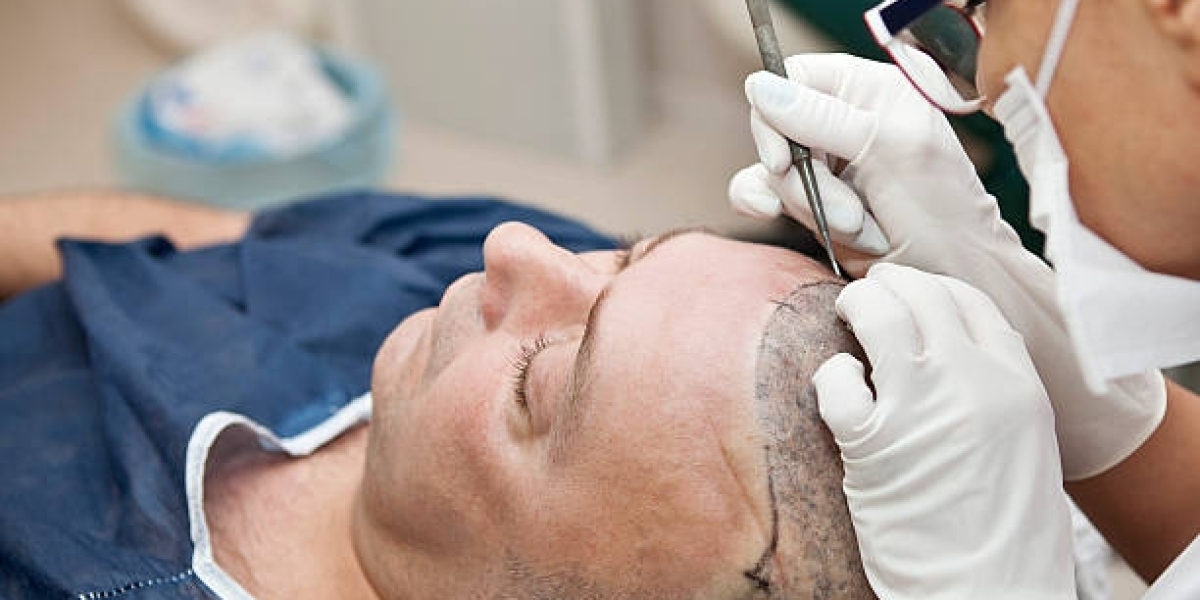


The Recovery Process After Eye Bag Removal in Riyadh
Understanding the healing journey is just as important as the procedure itself when considering Eye Bag Removal in Riyadh. Whether you have undergone a surgical blepharoplasty or a non-invasive cosmetic treatment, having a clear roadmap for recovery helps manage expectations and ensures you achieve the best possible aesthetic results. As the city’s aesthetic clinics focus on safety, patient comfort, and rapid, natural-looking healing, following your provider's post-operative guidance is the key to a smooth transition from the clinic to your refreshed daily life.
The Immediate Aftermath (Days 1–3)
The first few days are dedicated to rest and managing the body’s natural inflammatory response. After your procedure, it is entirely normal to experience some swelling, bruising, and a feeling of tightness or mild soreness around the eyes.
Managing Swelling: This is the peak period for inflammation. To keep it at bay, keep your head elevated at all times—even when sleeping—by using two or three extra pillows. This uses gravity to help reduce fluid accumulation in the lower eyelid area.
Cold Compresses: Use cold compresses (or ice packs wrapped in a soft, clean cloth) gently against your eyes for 10 to 15 minutes at a time, several times a day, as instructed by your surgeon.
Activity Levels: Prioritize rest. Avoid any bending, lifting, or straining that could increase blood pressure to the face. Stick to light, sedentary activities and avoid all forms of screen time or reading that may cause eye fatigue.
The Transitional Phase (Days 4–7)
As you move into the first week, you will likely notice the initial swelling beginning to recede.
Bruising: Any bruising that occurred will begin to change color, often shifting from purple or blue to shades of green or yellow. This is a positive sign that your body is reabsorbing the blood under the skin.
Sutures and Care: If your procedure involved external stitches, they are usually removed during this timeframe by your clinic. Continue to keep the incision area clean and apply any prescribed ointments or eye drops religiously to prevent dryness and infection.
Returning to Daily Life: Many patients feel comfortable returning to non-strenuous work or social settings by the end of this week, often using sunglasses or light makeup (if cleared by your surgeon) to camouflage any remaining discoloration.
The Refinement Phase (Weeks 2–4)
By the second and third weeks, the majority of the "surgical" look will have faded, allowing the subtle, rejuvenated contours of your eyes to emerge.
Gradual Improvement: While subtle residual swelling may still be present—especially in the early morning hours—it is usually minimal and continues to dissipate daily.
Resume Activities: You can typically resume light exercise, such as walking or gentle yoga, during this time, provided you avoid high-impact activities or heavy lifting until you receive final clearance from your medical team.
Sun Protection: Your healing skin is particularly sensitive to UV rays, which can cause hyperpigmentation of the incision lines. Protecting your eyes with high-quality, wide-framed UV-blocking sunglasses is mandatory whenever you are outdoors in the sun.
Long-Term Healing (Months 1–6)
While you will look refreshed within a few weeks, the final, finished look takes a bit more time to settle.
Incision Fading: Over the coming months, any faint surgical lines will continue to soften and flatten, eventually becoming virtually imperceptible as they blend into the natural contours of your eyelid.
Tissue Settling: The tissues beneath the eyes will fully accommodate to their new, corrected position. By the six-month mark, you will see the final, stable outcome of your procedure.
Maintenance: To protect your investment, maintain a consistent, healthy lifestyle. This includes staying hydrated, managing allergies to prevent eye rubbing, and continuing to use daily sun protection to preserve the delicate elasticity of your skin.
When to Contact Your Clinic
Throughout your recovery, your clinic is your greatest resource. Do not hesitate to contact your surgeon if you experience any sudden, intense pain, significant changes in your vision, or if the swelling seems to increase rather than decrease after the first few days. By staying in communication with your professional team, you ensure that every stage of your recovery is handled with the same level of care and precision as the procedure itself, ultimately leading to a successful and satisfying transformation.