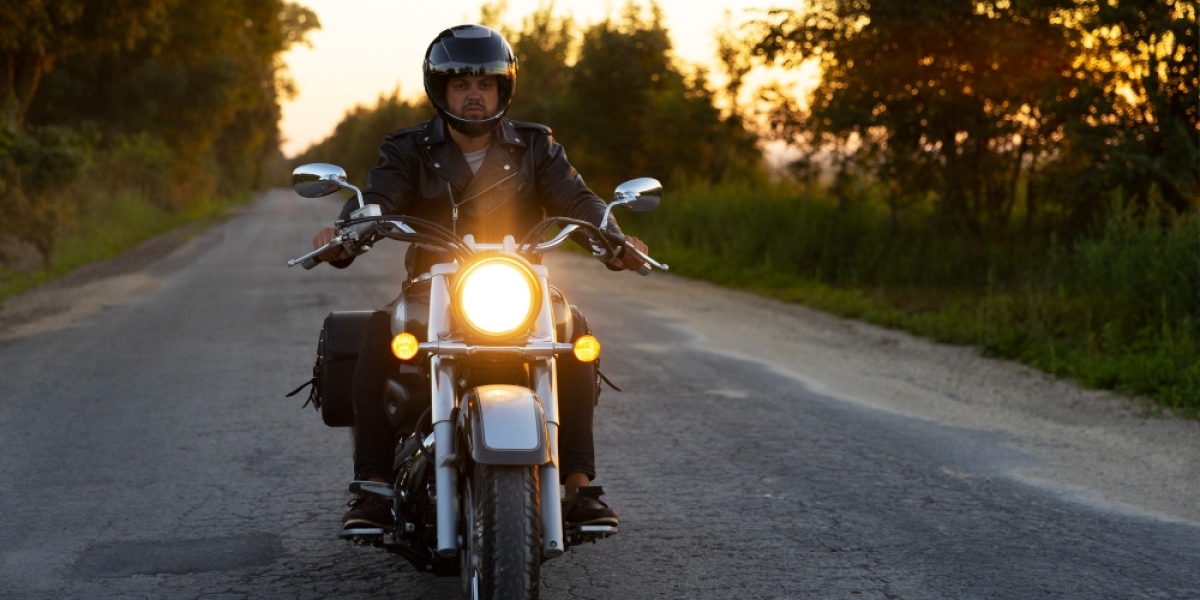

For motorcycle enthusiasts and industrial designers alike, the term Moto light has become synonymous with safety, clarity, and advanced engineering. Whether you are navigating a dark mountain pass or designing the next generation of smart two-wheelers, the quality of your lighting system is the most critical factor in "seeing and being seen."
At ARVR Optical, we specialize in the optoelectronic components that power these high-performance lighting systems. In this guide, we will explore what makes a true Moto light, the technical specs you should look for, and why LED technology is the undisputed king of the road.
What is a Moto Light?
In its simplest form, a Moto light is an auxiliary or primary lighting system designed specifically for motorcycles. Unlike standard car headlights, motorcycle lights must be compact, vibration-resistant, and capable of projecting light in a way that compensates for the bike's leaning angles during turns.
Modern Moto lights utilize high-intensity Light Emitting Diodes (LEDs) to create a "triangular" light pattern. This pattern makes the motorcycle appear larger and more distinct to oncoming traffic, significantly reducing the risk of accidents at intersections.
Key Technical Advantages of LED Moto Lights
Why are experts shifting away from traditional halogen bulbs toward LED-based Moto light systems? At ARVR Optical, we focus on three primary technical benchmarks:
1. Adaptive Cornering Technology
Traditional lights point straight ahead. However, when a bike leans into a curve, the light beam often points at the ground or into the sky, leaving the "inner corner" in total darkness. Advanced Moto lights now include on-board sensors that detect tilt and activate additional LEDs to illuminate the path through the turn.
2. Superior Luminous Efficacy
LEDs produce more "lumens per watt" than any other technology. This means you get a much brighter beam (often 5000K to 6000K "Daylight" white) while drawing significantly less power from the motorcycle's electrical system. This is crucial for smaller bikes or electric motorcycles where every watt counts.
3. Extreme Durability
Motorcycles are high-vibration environments. A standard filament in a halogen bulb can easily snap after a few rough miles. Because Moto light LEDs are solid-state devices with no moving parts or fragile filaments, they can last up to 50,000 hours and survive heavy off-road use.
Choosing the Right Moto Light: What to Look For
When you are browsing the market, it is easy to get overwhelmed by marketing jargon. Here is a simple breakdown of the specs that actually matter for a buyer:
| Feature | Performance Standard | Why It Matters |
| Color Temperature | 5000K - 6000K | Mimics daylight; reduces eye fatigue. |
| Ingress Protection | IP67 or IP68 | Ensures the light is waterproof and dustproof. |
| Beam Pattern | Spot, Flood, or Combo | Determines if the light reaches far or wide. |
| Housing Material | 6061 Aluminum | Provides the best heat dissipation for LED longevity. |
The Optoelectronics Behind the Beam
At ARVR Optical, we look deep into the "engine" of the light. A premium Moto light isn't just a bulb; it’s an integrated system:
The Driver Circuit: This manages the voltage and protects the LEDs from power spikes.
The Optical Lens: Often made of high-grade Polycarbonate (PC), the lens shapes the light into a usable beam rather than just a scattered glow.
Thermal Management: LEDs generate heat at the junction. Our designs utilize precision-engineered heat sinks to pull that heat away, preventing the light from dimming during long rides.
Common Applications and Styles
The versatility of the Moto light has led to several popular mounting styles:
Caliper Mounts: These place the lights low on the front forks, creating a wide "light carpet" directly in front of the tire.
Engine Guard Mounts: These provide a higher mounting point, ideal for long-range "spot" beams that help you spot deer or debris hundreds of feet away.
Integrated Headlights: Many modern bikes are replacing their entire factory assembly with a high-performance LED Moto light unit for a modern, "mean" aesthetic.
Safety and Regulations
Before upgrading, it is important to ensure your Moto light is compliant with local regulations (such as DOT in the USA or ECE in Europe). While auxiliary lights are great for visibility, they must be aimed correctly to avoid blinding oncoming drivers. ARVR Optical recommends a professional alignment to ensure your "cut-off line" sits just below the eye level of other motorists.
Why Choose ARVR Optical?
As experts in the optoelectronics industry, ARVR Optical provides the core components that make these lights possible. From specialized lenses that minimize light loss to high-efficiency LED modules, we ensure that every "Moto light" built with our technology is reliable, bright, and safe.
Conclusion
The Moto light is more than just an accessory; it is a life-saving tool that combines the best of semiconductor technology with rugged mechanical engineering. By upgrading to a high-quality LED system, you aren't just improving your bike's look—you are gaining the visual clarity needed to navigate the world with confidence.