
Benefits and Results of Mini Abdominoplasty in Riyadh for Post-Pregnancy Recovery
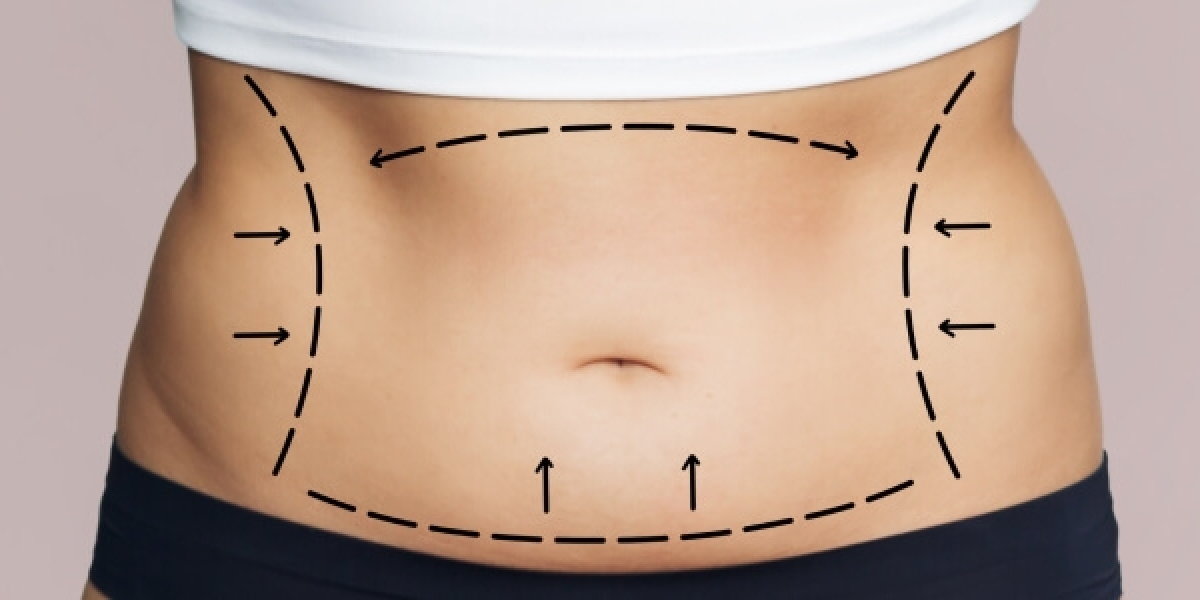
For many women, the postpartum period brings a lasting change to the abdominal region that diet and exercise alone cannot fully reverse. A Mini Abdominoplasty in Riyadh has become a primary choice for mothers seeking to restore their pre-pregnancy silhouette. By focusing specifically on the infraumbilical region—the area between the navel and the pubic bone—this procedure addresses the structural changes that commonly persist after childbirth, providing a targeted, efficient path to reclaiming abdominal confidence.
Addressing Post-Pregnancy Abdominal Changes
Pregnancy causes significant physiological stress on the abdominal wall. Even after returning to a healthy, stable weight, many women encounter specific issues that define the post-pregnancy abdomen:
Persistent Infraumbilical "Pooch": The skin below the belly button often loses its elasticity, resulting in a soft, hanging fold of skin that does not retract, regardless of how toned the underlying muscles may be.
Lower Diastasis Recti: The pregnancy process often causes the rectus abdominis muscles to separate. While a full abdominoplasty addresses this separation across the entire length of the abdomen, many women find that their separation and resulting laxity are primarily concentrated in the lower zone, making the mini-tummy tuck a highly appropriate and less invasive solution.
Localized Tissue Changes: Fat distribution often shifts during pregnancy. A mini-abdominoplasty allows the surgeon to address both the redundant skin and the localized fat deposits that contribute to the appearance of a persistent postpartum belly.
The Aesthetic Benefits for Postpartum Patients
The primary advantage of the mini-tummy tuck is its ability to deliver meaningful results with a reduced surgical footprint. For postpartum patients, the benefits include:
Restoration of a Flatter Contour: By removing the inelastic, redundant skin, the procedure immediately flattens the area between the navel and the pubic bone, creating a profile that feels more consistent with the patient's pre-pregnancy figure.
Firming the Foundation: Suturing the lower abdominal muscles provides a firmer, more resilient base. This muscle repair is crucial for restoring the structural integrity of the abdomen, which often feels "loose" or unsupported after childbirth.
Seamless Natural Appearance: Because the umbilicus remains completely undisturbed and the surgery does not involve the upper abdomen, the final aesthetic is entirely natural. There is no disruption to the belly button’s position or appearance, which is a major aesthetic advantage for many mothers.
Discreet Scarring: The incision is strategically placed low in the pubic hairline. This placement ensures that any resulting scar is easily hidden by swimwear or undergarments, allowing patients to feel confident in their clothing choices.
Who is an Ideal Candidate Post-Pregnancy?
Not every patient is a candidate for this focused approach, and timing is essential. The ideal postpartum candidate typically:
Has Finished Childbearing: Surgeons strongly advise that candidates should be finished with their childbearing years. Future pregnancies will stretch the abdominal skin and separate the muscles again, effectively reversing the results of the surgery.
Is at a Stable Weight: You should be at or near your pre-pregnancy weight and have maintained this for a stable period (usually at least six months).
Has Localized Concerns: Your abdominal concerns—specifically skin laxity and muscle weakness—are primarily limited to the infraumbilical region.
Has Realistic Expectations: You understand that this is a refinement procedure intended to contour the lower abdomen, rather than a method for systemic weight loss.
The Recovery Experience and Results
Postpartum patients often have active, demanding lifestyles. The mini-abdominoplasty’s shorter recovery timeline—due to the localized nature of the internal dissection—is a significant benefit.
While the surgery requires a period of rest and adherence to activity limitations, the recovery is generally more manageable than a full abdominoplasty. The key to achieving the desired result is consistency in post-operative care: wearing the medical-grade compression garment as prescribed to minimize swelling and supporting the skin as it conforms to the new contour.
The long-term results are intended to be durable and life-changing. Once the initial swelling subsides and the tissues settle, patients typically experience a significant boost in body confidence. By pairing this surgical restoration with a consistent commitment to a nutrient-dense diet and core-strengthening exercises—once cleared by the surgeon—patients can enjoy their flatter, more toned, and "pre-pregnancy" abdominal profile for years to come.
Taking the Next Step
If you are a mother looking to address the lasting effects of pregnancy on your midsection, a professional consultation is the ideal next step. A qualified surgeon can evaluate your specific anatomy, assess the degree of muscle separation and skin laxity, and determine if the targeted approach of a mini-abdominoplasty will provide the refined, natural results you desire. This personalized assessment is the most important step in ensuring that the procedure aligns with your long-term aesthetic and health goals.