
Buffalo Hump Removal in Riyadh: A Comprehensive Guide to Dorsocervical Fat Treatment
The aesthetic and functional concerns surrounding the accumulation of adipose tissue at the base of the neck, commonly known as a buffalo hump, have led many individuals to seek professional intervention. Buffalo Hump Removal in Riyadh has become a highly sought-after solution for those looking to address this dorsocervical fat pad, which can often be resistant to diet and exercise. Whether the condition is caused by hormonal imbalances, medication side effects, or genetic predispositions, surgical and minimally invasive techniques are now readily available to help patients restore a smoother contour to their upper back and neck area. This guide explores the causes, treatment options, and recovery expectations associated with professional fat reduction procedures in the region.
Understanding the Dorsocervical Fat Pad
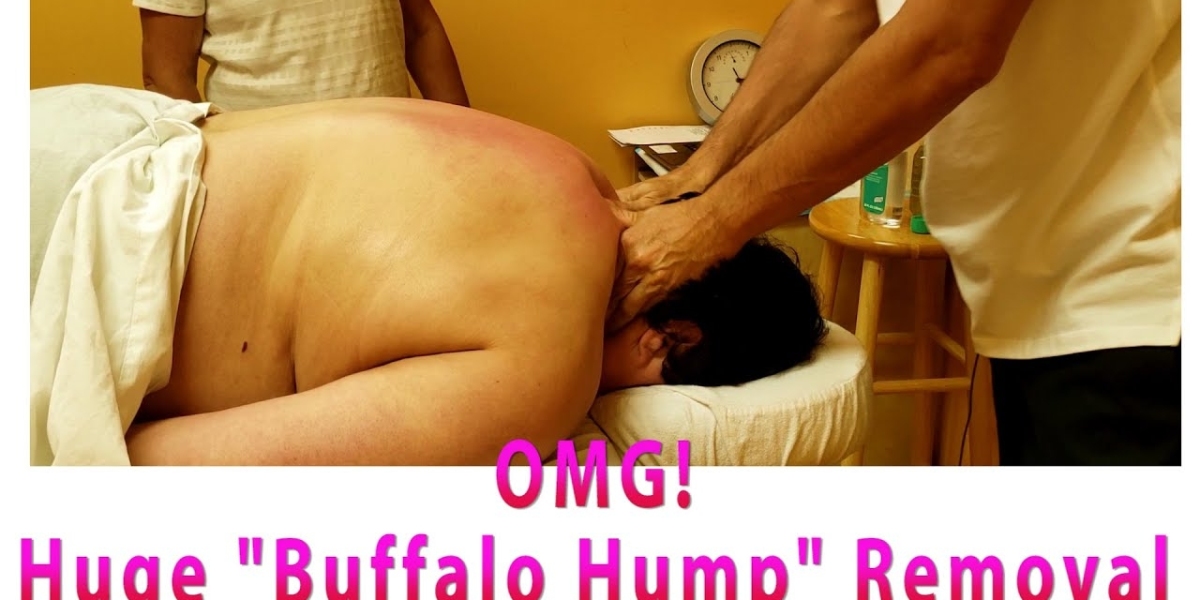
The dorsocervical fat pad is a localized collection of fat located between the shoulder blades at the base of the neck. While often associated with obesity, it can also manifest in individuals of normal weight due to a variety of systemic factors. Understanding the origin of this deposit is the first step in determining the most effective treatment approach.
Common Causes
Hormonal Imbalances: High levels of cortisol, often associated with Cushing’s syndrome, are a frequent contributor to localized fat distribution in the upper back.
Medication Side Effects: Certain classes of medications, particularly those used for HIV treatment (antiretroviral therapy) or long-term steroid use, can induce lipodystrophy, leading to fat accumulation in this specific area.
Genetic Factors: For some individuals, the tendency to store fat at the cervicothoracic junction is simply a matter of genetic predisposition, making it difficult to lose through traditional weight loss methods alone.
Obesity: While not the only cause, generalized obesity can exacerbate the appearance and size of the fat pad.
Surgical Intervention and Techniques
When diet and lifestyle modifications fail to reduce the prominence of the hump, surgical or procedural intervention is often the most effective path forward. The goal of these procedures is to excise or extract the excess fatty tissue to create a more balanced silhouette.
Liposuction-Assisted Reduction
Liposuction is one of the most common methods for treating a buffalo hump. This procedure involves making small incisions near the site, through which a thin tube, or cannula, is inserted. The surgeon then breaks down the fat cells and suctions them out.
Benefits: Minimal scarring, relatively quick procedure time, and a shorter recovery period compared to open excision.
Suitability: Best for patients with localized, soft fat deposits who have good skin elasticity.
Surgical Excision
In cases where the fat pad is exceptionally large or fibrous—often referred to as "lipomatosis"—a direct surgical excision may be required. This involves a more traditional surgical approach where the tissue is physically removed through a larger incision.
Benefits: Allows for the removal of stubborn, hardened fat that cannot be extracted via suction.
Considerations: This method results in a more significant incision, which requires careful wound care and a longer healing time.
The Consultation Process
Engaging with a qualified professional is critical to safety and satisfaction. During a consultation, the specialist will evaluate the composition of the fat, review the patient’s medical history, and rule out underlying metabolic conditions that might need to be managed concurrently.
A thorough physical examination is performed to assess the size, density, and tethering of the fat pad. The specialist will discuss which technique—liposuction or excision—is appropriate for the patient's specific anatomy. It is during this time that patients should feel empowered to ask about potential risks, the expected duration of the procedure, and what to realistically expect from the final aesthetic outcome.
Recovery and Aftercare Expectations
Recovery from buffalo hump treatment varies depending on the intensity of the procedure. However, there are universal standards for post-operative care designed to optimize healing and minimize discomfort.
Immediate Post-Op: Patients may experience swelling, bruising, and tenderness at the site. Compression garments are frequently prescribed to minimize fluid buildup and help the skin conform to the new contour.
Activity Restrictions: Strenuous physical activity, heavy lifting, and intense exercise are typically restricted for the first few weeks to allow the surgical site to heal properly.
Monitoring Healing: Regular follow-up appointments ensure that the site is healing as expected and that there are no signs of complication, such as infection or excessive fluid accumulation.
Long-Term Results: While initial improvements are visible almost immediately, the final contour often becomes more refined over several months as residual swelling subsides and the skin settles.
Lifestyle Factors and Long-Term Maintenance
While the surgical removal of a buffalo hump provides a significant physical improvement, maintaining the results requires a commitment to a healthy lifestyle. If the fat accumulation was influenced by systemic factors, such as hormonal shifts or medication, working closely with other medical professionals to manage these underlying issues is essential.
Adopting a balanced diet and consistent exercise routine helps in managing overall body fat and preventing the recurrence of fat accumulation. For patients whose condition was linked to medication-induced changes, ongoing communication with their primary healthcare team remains the most effective way to manage the long-term impact on body composition.
Why Quality of Care Matters
Achieving a balanced and natural-looking result requires a deep understanding of the anatomy of the upper back and neck. The transition between the back and the base of the skull must be handled with precision to ensure that the skin heals smoothly and without irregularities. By focusing on evidence-based techniques and prioritizing patient safety, the process of fat reduction can significantly improve both physical comfort and self-confidence, allowing patients to move past the aesthetic burden of a dorsocervical fat pad.