
Addressing Common Questions About Body Lift Surgery in Riyadh
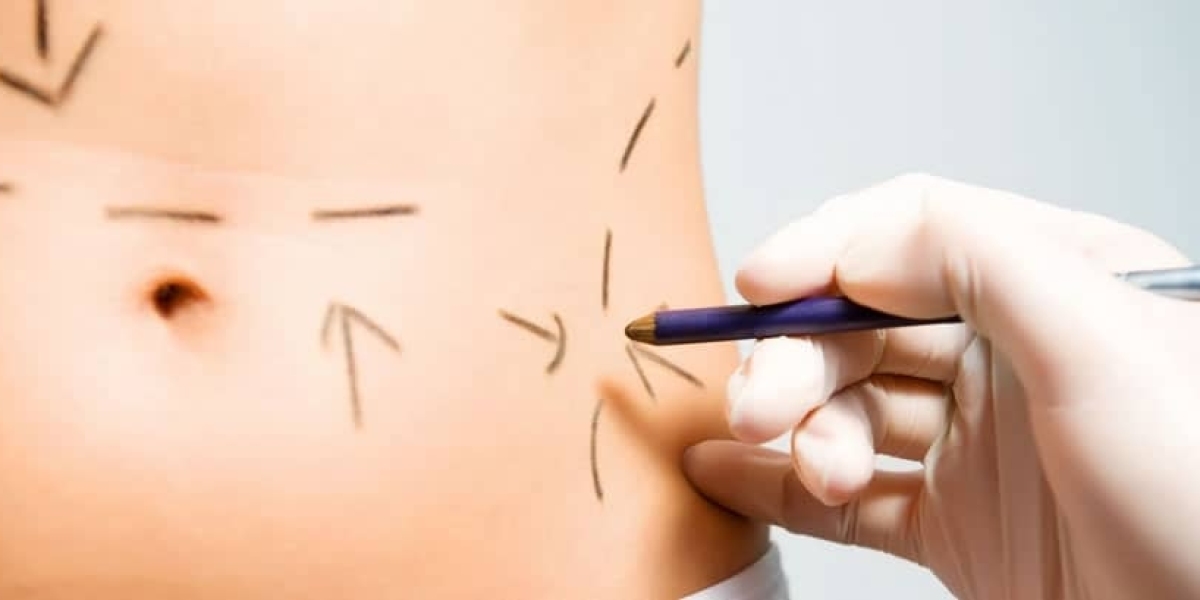
For individuals who have successfully navigated significant weight loss journeys or those managing the natural changes that occur with aging, a Body Lift in Riyadh offers a transformative solution to restore a firm, balanced, and rejuvenated silhouette. Often considered the final phase of a total body transformation, this comprehensive surgical procedure is designed to address the challenges of redundant skin and lax tissue that diet and exercise alone cannot resolve. By removing excess skin and tightening the underlying tissue, a body lift helps patients achieve a more toned appearance that truly reflects their dedicated efforts to improve their health and physical well-being.
Frequently Asked Questions
Understanding the clinical and practical aspects of a body lift is essential for making an informed decision. Below are the answers to the most common queries regarding this procedure in the Riyadh aesthetic market.
1. How long does the "lift" actually last?
The structural changes—the physical excision of skin and the internal anchoring of tissue—are permanent. However, your body remains a living, aging organism. While the skin you had removed will not return, the remaining skin will continue to age naturally. Maintaining a stable weight and avoiding significant fluctuations is the best way to ensure the results persist for decades.
2. Can I have a body lift if I am still losing weight?
No. Surgeons strongly advise reaching a stable weight—typically maintained for at least six to twelve months—before proceeding. If you undergo a lift while still actively losing weight, the remaining skin may stretch or sag again, leading to an aesthetic result that does not meet your goals and potentially requiring secondary revision surgery.
3. What is the biggest risk factor for complications?
The most significant modifiable risk factor is nicotine use. Nicotine is a potent vasoconstrictor that restricts blood flow to the skin. Since a body lift involves long, circumferential incisions, the skin edges rely on delicate micro-circulation for healing. Smoking, vaping, or using nicotine patches significantly increases the risk of wound-healing complications, such as skin necrosis.
4. How do I handle the scars in Riyadh’s climate?
Scars are a permanent trade-off for a firmer silhouette, but their maturation is within your control. The intense sun in Riyadh can cause surgical scars to darken permanently (hyperpigmentation). Diligent sun protection, including the use of high-SPF sunscreen and keeping incisions covered when outdoors for the first 12–18 months, is mandatory to ensure scars fade into thin, discreet lines.
5. How long is the recovery period?
Recovery is a multi-phase process. You will need assistance for basic tasks during the first 48–72 hours. You should plan for at least two to three weeks of significant downtime before returning to light work. Strenuous exercise, heavy lifting, and activities that place tension on your core must be avoided for at least six to eight weeks to prevent scar widening or suture separation.
6. Will a body lift remove all my stretch marks?
A body lift removes the redundant skin "apron" in the targeted area, which often eliminates a significant portion of the stretch marks located on the excised tissue (usually on the lower abdomen). However, it cannot remove stretch marks located on areas of the skin that are not removed during the surgery, such as those on the upper abdomen, flanks, or thighs that remain.
Ensuring a Successful Journey
The success of your body lift is not determined solely by the surgical procedure, but by the combination of expert surgical intervention, your pre-operative preparation, and your adherence to the post-operative recovery protocol. By prioritizing medical clearance, nutritional support, and a disciplined approach to scar and weight management, you transform your body lift from a single procedure into a lasting investment in your health, mobility, and confidence.
Would you like me to prepare a "Post-Operative Care Checklist" to help you prepare your home for your recovery?