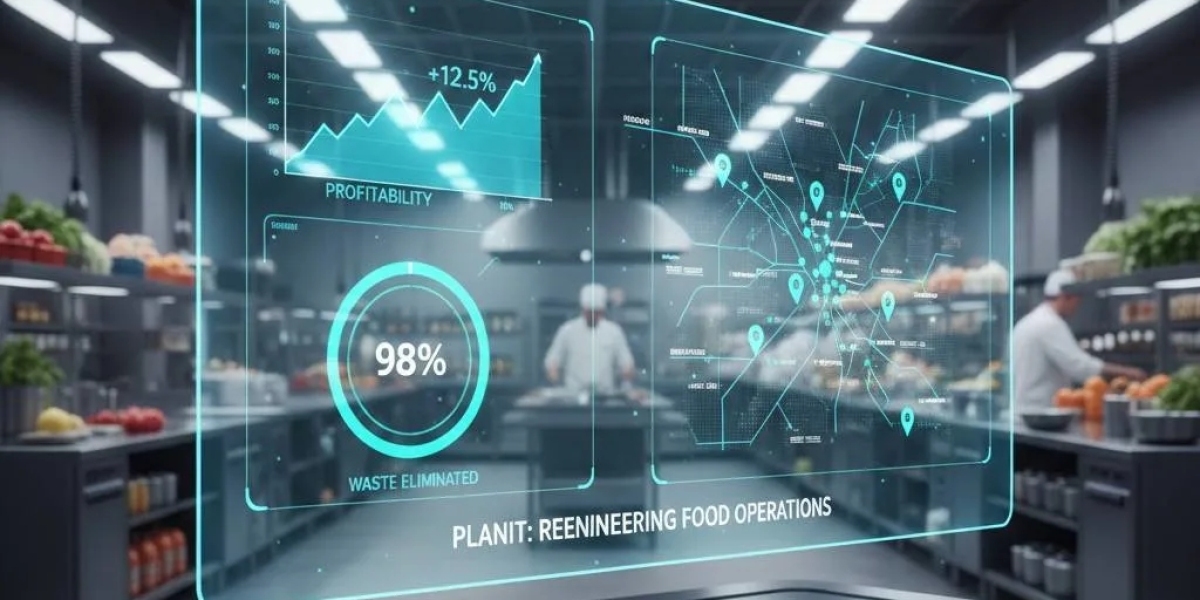

Running a food business today is more complex than ever. From fluctuating demand and strict compliance standards to rising operational costs, businesses must manage multiple moving parts efficiently. One of the most critical aspects that directly impacts profitability and customer satisfaction is inventory management. Without a structured approach, food businesses often struggle with wastage, stockouts, and inaccurate forecasting. This is where a modern Food Inventory Management System becomes essential.
The Growing Challenges in Food Inventory Management
Food businesses operate in a highly sensitive environment where products have limited shelf lives and quality must be maintained at all times. Traditional methods like manual tracking or spreadsheets are no longer sufficient. According to industry insights, nearly 30–40% of food is wasted globally due to poor inventory practices and inefficient supply chain coordination.
Common challenges include:
- Over-ordering leading to spoilage
- Understocking causing lost sales opportunities
- Difficulty in tracking expiration dates
- Lack of real-time stock visibility
- Inefficient supplier coordination
These issues not only affect profit margins but also damage brand reputation.
What is an Advanced Food Inventory Management System?
An advanced Food Inventory Management System is a digital solution designed to automate, track, and optimize inventory processes in real-time. It integrates various functions such as stock monitoring, demand forecasting, supplier management, and reporting into one centralized platform.
Unlike basic inventory tools, advanced systems use intelligent analytics and automation to provide actionable insights, helping businesses make data-driven decisions.
Key Features That Make a Difference
A modern system goes beyond just tracking stock levels. It provides powerful features that streamline operations and reduce human errors.
Real-Time Inventory Tracking
With real-time updates, businesses can monitor stock levels across multiple locations instantly. This eliminates guesswork and ensures accurate decision-making.
Automated Stock Alerts
Advanced systems send alerts when stock reaches minimum thresholds or when items are nearing expiration. This helps prevent both overstocking and stockouts.
Batch and Expiry Management
Managing perishable goods becomes easier with batch tracking and expiry date monitoring. Businesses can follow FIFO (First In, First Out) or FEFO (First Expired, First Out) practices effectively.
Demand Forecasting
Using historical data and trends, the system predicts future demand, enabling smarter purchasing decisions and reducing waste.
Integration with POS and Accounting
Seamless integration with POS and accounting software ensures smooth data flow, minimizing manual entries and errors.
Benefits of Implementing a Food Inventory Management System
Adopting an advanced Food Inventory Management System offers several tangible benefits that directly impact business performance.
Reduced Food Waste
By accurately tracking inventory and expiration dates, businesses can significantly cut down on waste. This not only saves costs but also supports sustainability efforts.
Improved Profit Margins
Optimized inventory levels mean less money tied up in excess stock and fewer losses from spoilage. Businesses can maximize their profitability with better control over resources.
Enhanced Operational Efficiency
Automation reduces manual workload, allowing staff to focus on core business activities. Processes become faster, smoother, and more reliable.
Better Compliance and Food Safety
Maintaining food safety standards is crucial. Advanced systems help track product history, ensuring compliance with regulations and simplifying audits.
Data-Driven Decision Making
With detailed reports and analytics, businesses gain insights into sales trends, stock movement, and supplier performance, enabling smarter strategies.
How It Transforms Different Food Businesses
The impact of a Food Inventory Management System varies across different types of food businesses but remains equally valuable.
Restaurants and Cafes
Restaurants can manage ingredients efficiently, reduce kitchen waste, and ensure consistent menu availability.
Food Manufacturers
Manufacturers benefit from streamlined production planning, raw material tracking, and improved supply chain coordination.
Retail and Grocery Stores
Retailers can maintain optimal stock levels, improve shelf management, and enhance customer satisfaction through product availability.
Cloud Kitchens
With multiple outlets and high order volumes, cloud kitchens rely on real-time data to maintain efficiency and avoid disruptions.
Statistics That Highlight the Need
- Businesses using automated inventory systems report up to 25% reduction in food waste
- Real-time tracking can improve stock accuracy by over 95%
- Demand forecasting tools can increase operational efficiency by 20–30%
- Companies adopting digital inventory solutions see faster growth compared to those using manual methods
These numbers clearly show that investing in technology is no longer optional but necessary.
Common Mistakes to Avoid
Even with a system in place, certain mistakes can limit its effectiveness:
- Not training staff properly
- Ignoring data insights and reports
- Failing to update inventory regularly
- Choosing a system without scalability
Avoiding these pitfalls ensures maximum return on investment.
Choosing the Right System for Your Business
Not all systems are created equal. When selecting a Food Inventory Management System, businesses should consider:
- Ease of use and user-friendly interface
- Customization options based on business needs
- Integration capabilities with existing tools
- Scalability for future growth
- Reliable customer support
A well-chosen system aligns with your operational goals and adapts as your business expands.
The Future of Food Inventory Management
Technology continues to evolve, and the future of inventory management is driven by AI, IoT, and automation. Smart sensors, predictive analytics, and cloud-based platforms will further enhance accuracy and efficiency.
Businesses that adopt these advancements early will gain a competitive edge, improve customer satisfaction, and achieve sustainable growth.
Conclusion
Managing food inventory effectively is no longer just about tracking stock—it’s about optimizing every aspect of operations to ensure efficiency, profitability, and customer satisfaction. An advanced Food Inventory Management System empowers businesses to overcome challenges, reduce waste, and make smarter decisions through real-time insights and automation.
If you want to streamline your inventory processes and take your food business to the next level, now is the time to invest in the right solution with PlanIT.
- Mobile: +91-9958474631
- Email: sales@plan-it.pro