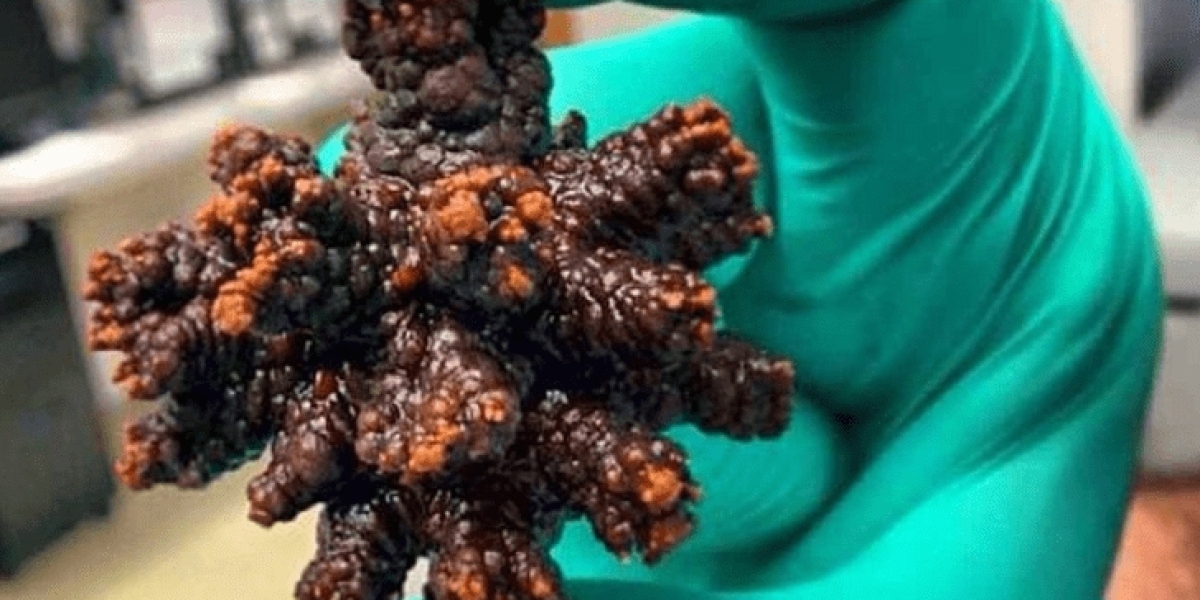

Bladder stones are hard mineral deposits that form in the bladder when urine becomes concentrated. This condition can affect both men and women, but it is more common in men, especially those over the age of 50. While small bladder stones may pass without causing symptoms, larger stones can lead to discomfort, urinary problems, and complications if left untreated.
Understanding bladder stones, their causes, symptoms, and treatment options is essential for early diagnosis and effective management.
What Are Bladder Stones?
Bladder stones are hardened lumps of minerals that develop in the bladder when urine is not completely emptied. Over time, the remaining urine becomes concentrated, causing minerals to crystallize and form stones.
These stones can vary in size. Some may be as small as a grain of sand and pass unnoticed, while others can grow larger and cause significant discomfort or block urine flow.
In many cases, bladder stones are linked to underlying conditions that prevent the bladder from emptying properly.
Causes of Bladder Stones
The primary cause of bladder stones is incomplete bladder emptying. When urine remains in the bladder, minerals such as calcium and uric acid can accumulate and form crystals.
Several conditions can contribute to this process:
Enlarged Prostate (BPH)
In men, an enlarged prostate can block the flow of urine, preventing the bladder from emptying completely and increasing the risk of stone formation.
Nerve Damage (Neurogenic Bladder)
Conditions such as spinal cord injuries or neurological disorders can interfere with bladder function, leading to urine retention.
Urinary Tract Infections (UTIs)
Repeated infections can irritate the bladder and contribute to stone formation.
Medical Devices
Catheters or other devices inserted into the bladder may lead to mineral buildup over time.
Kidney Stones
Sometimes, kidney stones can travel to the bladder and grow larger if not passed out of the body.
Bladder Inflammation
Chronic irritation or inflammation of the bladder lining can also increase the risk of developing bladder stones.
Symptoms of Bladder Stones
Symptoms depend on the size and location of the stones. Small stones may not cause noticeable symptoms, but larger ones can irritate the bladder or block urine flow.
Common symptoms include:
• Lower abdominal pain
• Pain or burning during urination
• Frequent urge to urinate
• Difficulty urinating or interrupted urine flow
• Blood in the urine
• Cloudy or dark-colored urine
In more severe cases, bladder stones can lead to nausea, infections, or an inability to urinate, which requires immediate medical attention.
Risk Factors
Certain factors increase the likelihood of developing bladder stones:
• Age (more common in men over 50)
• Enlarged prostate
• Chronic urinary retention
• Dehydration
• Nerve-related bladder problems
• Use of urinary catheters
Recognizing these risk factors can help individuals seek early medical evaluation.
How Bladder Stones Are Diagnosed
Accurate diagnosis is essential to determine the size, number, and cause of bladder stones.
Medical History and Physical Examination
Doctors evaluate symptoms, lifestyle, and underlying conditions.
Urine Tests
Urinalysis helps detect infection, blood, or mineral levels in the urine.
Imaging Tests
Ultrasound, CT scans, or X-rays are commonly used to locate bladder stones and assess their size.
Cystoscopy
A thin tube with a camera is inserted into the bladder to directly view the stones and evaluate the bladder lining.
These diagnostic tools help guide the most appropriate treatment plan.
Treatment Options for Bladder Stones
Treatment depends on the size of the stones and the underlying cause.
Increased Fluid Intake
Drinking more water may help small bladder stones pass naturally. However, this approach is not always effective, especially if the bladder does not empty properly.
Stone Fragmentation (Cystolitholapaxy)
This is one of the most common treatments. A small tube with a camera is inserted into the bladder, and laser or ultrasound energy is used to break the stones into smaller pieces, which are then flushed out.
Surgical Removal
Large or hard stones that cannot be broken down may require surgery. This involves removing the stones directly from the bladder.
Treating Underlying Conditions
Addressing the root cause is essential to prevent recurrence. For example:
• Treating an enlarged prostate
• Managing infections
• Improving bladder function
Without treating the underlying issue, bladder stones may return.
Complications of Untreated Bladder Stones
If left untreated, bladder stones can lead to serious complications:
• Chronic bladder irritation
• Repeated urinary tract infections
• Blockage of urine flow
• Damage to the bladder
In severe cases, untreated stones can significantly affect urinary health and quality of life.
Prevention of Bladder Stones
While not all cases can be prevented, certain steps can reduce the risk:
• Drink plenty of water to keep urine diluted
• Seek early treatment for urinary symptoms
• Manage prostate or bladder conditions
• Maintain good urinary health
Proper hydration and timely medical care play a key role in prevention.
Living with Bladder Stones
Most people recover fully after treatment, especially when the underlying cause is addressed. Regular follow-up care is important to monitor for recurrence.
Adopting healthy habits, such as staying hydrated and managing medical conditions, can help maintain long-term urinary health.
Conclusion
Bladder stones are a common but treatable condition caused by the buildup of minerals in the bladder. While small stones may pass without symptoms, larger stones can lead to pain, urinary problems, and complications if not treated promptly.
Early diagnosis, proper treatment, and addressing underlying causes are essential for effective management. With modern medical techniques, most patients experience excellent outcomes and relief from symptoms. For expert diagnosis and advanced treatment options for bladder stones, patients can rely on the specialists at Urology Partners of North Texas (UPNT) for comprehensive care, personalized treatment, and long-term support.
Frequently Asked Questions (FAQs)
1. What are bladder stones?
Bladder stones are hard mineral deposits that form in the bladder due to concentrated urine.
2. What causes bladder stones?
They are mainly caused by incomplete bladder emptying, often due to conditions like an enlarged prostate or nerve damage.
3. What are the symptoms of bladder stones?
Symptoms include pain, frequent urination, difficulty urinating, and blood in the urine.
4. How are bladder stones treated?
Treatment includes increased fluid intake, breaking stones into smaller pieces, or surgical removal.
5. Can bladder stones be prevented?
Drinking enough water and treating underlying urinary conditions can help reduce the risk.