
What to Expect During Your Preauricular Tag Consultation
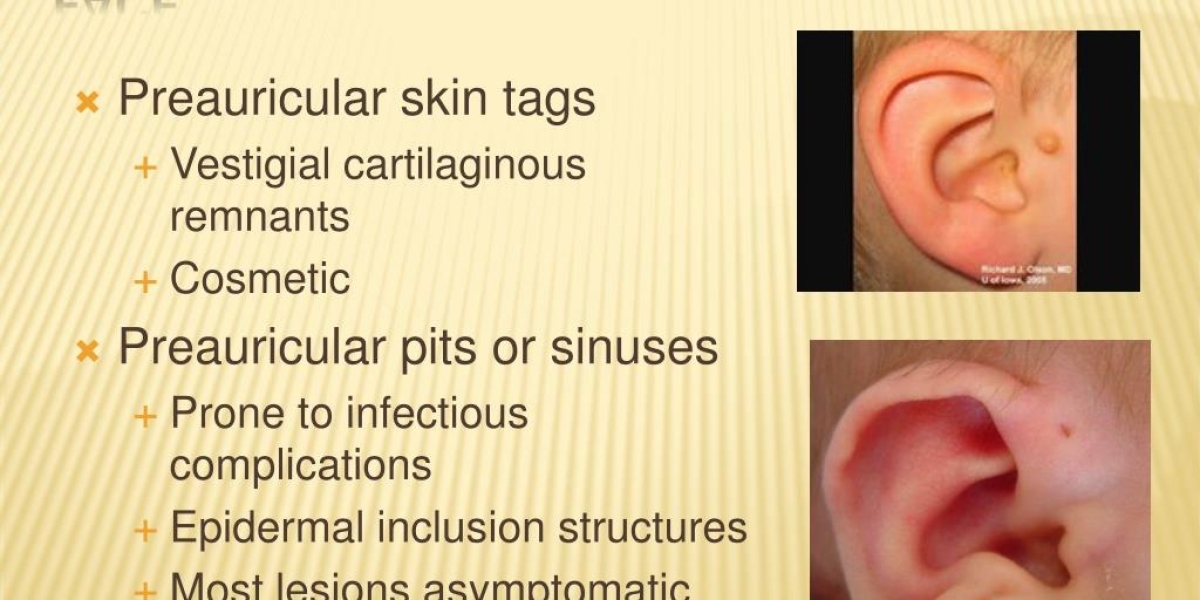
Embarking on a journey to refine a facial feature or address a congenital trait often begins with a mixture of curiosity and a desire for professional clarity. Preauricular Tag Removal Riyadh is a routine yet highly specialized procedure, and the initial consultation is the most critical step in ensuring a safe, successful, and aesthetically pleasing outcome. In the heart of Saudi Arabia’s medical hub, a consultation is far more than a simple "look and see" appointment; it is a comprehensive clinical evaluation designed to understand the unique anatomy of your ear, discuss your aesthetic goals, and create a customized surgical plan. Whether you are seeking removal for yourself or your child, understanding the structure of this meeting—from the physical examination to the discussion of modern excision techniques—will empower you to move forward with total confidence.
The Initial Welcome and Medical History
A professional consultation in a Riyadh-based clinic typically begins with a thorough review of your medical background. While preauricular tags are generally isolated skin findings, your specialist will want to ensure a holistic understanding of your health.
General Health Screening: You will be asked about any known allergies, particularly to local anesthetics like lidocaine, and whether you have a history of keloid scarring or easy bruising.
Congenital Context: For parents of infants, the specialist may ask about the pregnancy and birth history. Because preauricular tags are formed during the early stages of gestation, the doctor will confirm that the tag is a standalone trait.
Symptom Review: The specialist will ask if the tag has ever been painful, if it has bled due to friction from clothing or shaving, or if there is any history of discharge from a nearby "pit" or sinus.
The Physical Examination: Beyond the Surface
The most important part of the consultation is the physical assessment of the growth. To the untrained eye, a preauricular tag may look like a simple bump, but a specialist in Riyadh will look much deeper.
1. Palpation and Texture
The doctor will gently feel the tag between their fingers. This is to determine if the growth is "pedunculated" (hanging by a thin stalk) or "sessile" (broad-based). Most importantly, they are checking for the presence of a cartilage core. If the tag feels firm or "springy," it contains elastic cartilage that likely extends beneath the skin surface.
2. Mapping the "Stalk"
If cartilage is detected, the specialist will estimate how deep the "stalk" goes. In some cases, the cartilage of a preauricular tag is physically connected to the deeper structures of the ear canal or the tragus. Mapping this depth during the consultation allows the surgeon to plan an incision that ensures the entire root is removed, preventing any residual "lump" after the skin heals.
3. Checking for Preauricular Sinuses
A skilled practitioner will also inspect the skin immediately surrounding the tag for a tiny pinhole, known as a preauricular sinus. If a sinus is present, the consultation will shift to discuss a combined removal, as leaving a sinus tract behind can lead to future infections.
Discussing the Surgical Plan and Techniques
Once the examination is complete, the specialist will explain the best method for removal based on your specific anatomy. This is the time to ask questions about the technology being used.
Surgical Excision: If the tag has a cartilage core, the doctor will likely recommend a micro-surgical excision. They will explain how the elliptical incision will be made and how fine sutures will be used to close the site.
Energy-Based Options: For smaller, purely skin-based tags, the specialist might suggest radiofrequency or laser removal. They will explain why these "stitch-free" options might be suitable for your skin type.
Anesthesia Choices: For adults, the consultation will confirm the use of local anesthesia. For pediatric patients, the doctor will discuss whether the child is likely to remain still with local numbing or if a mild sedative would be safer to ensure a precise result.
Aesthetic Goal Alignment
In Riyadh’s cosmetic-forward medical culture, the "look" of the final result is a top priority. During the consultation, you and your surgeon will discuss the expected aesthetic outcome.
Scar Placement: The surgeon will show you exactly where the incision line will fall. Ideally, this is tucked into the natural vertical crease where the ear meets the cheek, making it nearly invisible once healed.
Skin Tone Considerations: For patients with darker or olive skin tones, the specialist will discuss "post-inflammatory hyperpigmentation" (PIH) and how the clinic’s aftercare protocols are designed to prevent the scar from darkening.
Realistic Expectations: The doctor will provide an honest assessment of the healing timeline—explaining that while the tag will be gone instantly, the "pinkness" of the new skin may take several weeks to fade into your natural skin tone.
Pre-Operative Instructions
If you decide to proceed with the removal, the consultation concludes with a set of instructions to prepare you for the day of the procedure.
Medication Adjustments: You may be advised to avoid certain blood-thinning supplements or medications (like aspirin) for a few days before the appointment to minimize bruising.
Skin Care: The doctor will advise against applying heavy creams or makeup to the ear area on the day of the procedure to maintain a sterile environment.
Scheduling: You will learn that the procedure itself is very quick—usually taking between 15 and 30 minutes—and that you will be able to drive yourself home immediately afterward.
Addressing Costs and Follow-Up
The administrative side of the consultation is just as important as the clinical side. You will receive a clear breakdown of the procedure costs and the schedule for follow-up care.
Suture Removal: If non-dissolvable stitches are used, you will schedule a quick 5-minute appointment for their removal, usually 5 to 7 days later.
Long-Term Support: Most reputable clinics in Riyadh offer a direct line of communication for any questions that arise during the first week of healing, ensuring you never feel unsupported during your recovery.
Conclusion: A Foundation of Trust
A preauricular tag consultation is more than just a medical check-up; it is the foundation of a successful transformation. By taking the time to thoroughly examine the growth, discuss the most advanced removal techniques, and align on aesthetic expectations, the specialists in Riyadh ensure that every patient feels informed and at ease. Whether you are choosing removal for functional reasons or a boost in self-confidence, the consultation is your opportunity to ensure that your path to a smoother, more symmetrical profile is paved with expert insight and professional care. When you leave the clinic, you should have a clear understanding of the "why," "how," and "what next" of your procedure, allowing you to look forward to a permanent, beautiful result.