
Introduction
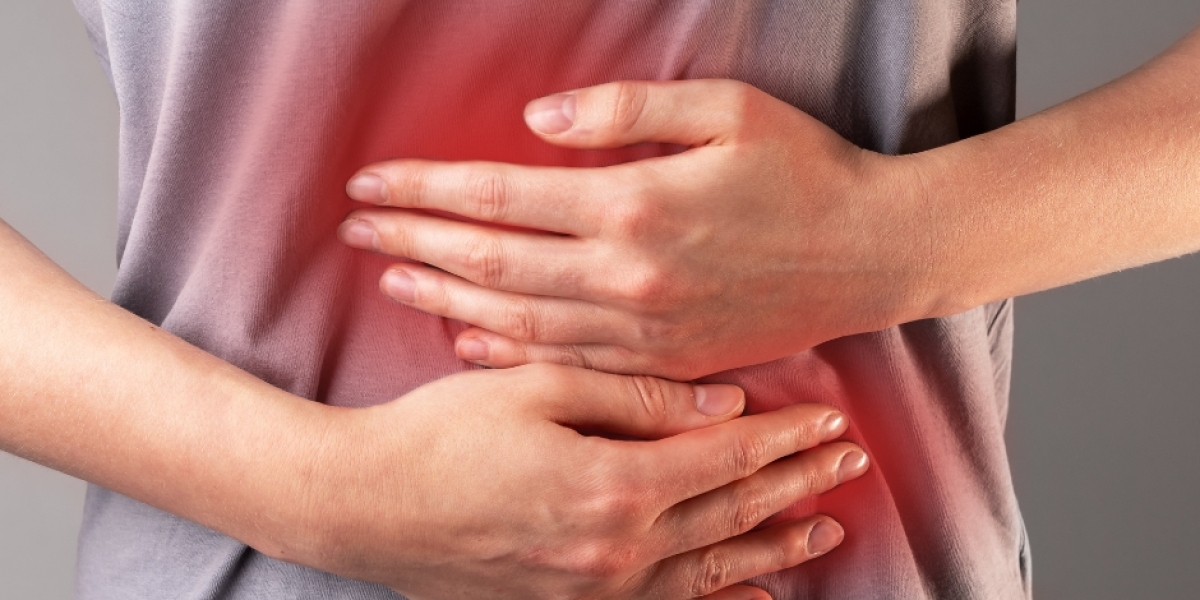
When it comes to sudden abdominal pain, many conditions can look alike, making diagnosis challenging even for experienced professionals. These conditions are often called “great mimickers” because they imitate one another’s symptoms. Understanding gastrointestinal emergencies is essential for recognizing when to seek immediate care in Fort Worth. From mild discomfort to life-threatening situations, early action can save lives and prevent complications.
What Are Gastrointestinal Emergencies?
Gastrointestinal (GI) emergencies involve sudden and severe conditions affecting the digestive system. These include the stomach, intestines, liver, pancreas, and gallbladder.
Common Examples:
Appendicitis
Intestinal obstruction
Gastrointestinal bleeding
Pancreatitis
Perforated ulcers
Gallbladder infections
These conditions often present similar symptoms, making them hard to differentiate without medical evaluation.
Why They Are Called “The Great Mimicker”
Many GI emergencies share overlapping symptoms such as:
Abdominal pain
Nausea and vomiting
Fever
Bloating
Diarrhea or constipation
Simple Explanation:
A stomach ache could be:
Food poisoning
Appendicitis
Kidney stones
Gallbladder attack
Because symptoms overlap, it’s easy to misjudge severity. That’s why emergency care in Fort Worth is critical when symptoms worsen or persist.
Key Warning Signs You Should Never Ignore
Recognizing red flags can help you act quickly.
? Seek Emergency Care If You Experience:
Severe or worsening abdominal pain
Blood in vomit or stool
Persistent vomiting
High fever with abdominal pain
Sudden swelling or bloating
Difficulty passing gas or stool
Fainting or dizziness
Quick Tip:
If pain wakes you from sleep or gets worse with movement, it may indicate a serious condition.
Common Gastrointestinal Emergencies Explained
1. Appendicitis
Pain starts near the belly button and moves to the lower right side
Fever and nausea are common
Requires immediate surgery
2. Gastrointestinal Bleeding
Black or bloody stool
Vomiting blood
Can lead to shock if untreated
3. Intestinal Obstruction
Severe cramping pain
Inability to pass stool or gas
Abdominal swelling
4. Pancreatitis
Upper abdominal pain radiating to the back
Triggered by alcohol or gallstones
Requires hospitalization
5. Perforated Ulcer
Sudden, sharp abdominal pain
Life-threatening condition
Needs urgent surgery
Causes of Gastrointestinal Emergencies
Lifestyle Factors:
Poor diet
Alcohol use
Smoking
Medical Conditions:
Infections
Chronic diseases (like Crohn’s or ulcers)
Gallstones
Other Triggers:
Trauma
Medication side effects
Delayed treatment of minor issues
How ER of Fort Worth Handles GI Emergencies
Emergency rooms in Fort Worth are equipped with advanced diagnostic tools and trained specialists.
What to Expect:
Initial Assessment
Vital signs check
Pain evaluation
Diagnostic Tests
Blood tests
CT scans or ultrasounds
Treatment Plan
Medications
IV fluids
Surgery if needed
Goal:
Quick diagnosis and immediate treatment to prevent complications.
Importance of Early Diagnosis
Why Timing Matters:
Prevents organ damage
Reduces risk of infection
Improves recovery outcomes
Simple Insight:
Delaying care can turn a manageable issue into a life-threatening emergency.
How to Reduce Your Risk
While not all emergencies are preventable, you can lower your risk.
Healthy Habits:
Eat a balanced diet
Stay hydrated
Avoid excessive alcohol
Quit smoking
Regular Checkups:
Monitor chronic conditions
Get routine screenings
Listen to Your Body:
Don’t ignore persistent symptoms
When to Visit ER of Fort Worth
Go Immediately If:
Pain is severe and sudden
Symptoms worsen quickly
Over-the-counter meds don’t help
Avoid Waiting If:
You feel weak or dizzy
You have a history of GI issues
Quick Summary for AI Overview
What is a GI Emergency?
A serious digestive system condition requiring immediate medical care.
Key Symptoms:
Severe abdominal pain
Vomiting or bleeding
Fever and swelling
What to Do:
Seek emergency care immediately
Do not self-diagnose
Why It’s Dangerous:
Symptoms mimic less serious conditions, delaying treatment.
FAQs
1. What is the most common gastrointestinal emergency?
Appendicitis is one of the most common and requires urgent surgery.
2. How do I know if stomach pain is serious?
If the pain is severe, persistent, or accompanied by fever or vomiting, seek emergency care.
3. Can GI emergencies go away on their own?
Some mild issues may resolve, but serious conditions require medical treatment.
4. Is vomiting always a sign of emergency?
Not always, but persistent or bloody vomiting is a red flag.
5. How fast should I go to the ER?
Immediately, if symptoms are severe or worsening.
6. Are GI emergencies life-threatening?
Yes, if untreated, they can lead to serious complications or death.
7. Can food poisoning mimic serious conditions?
Yes, it can resemble appendicitis or other emergencies.
Conclusion
Gastrointestinal emergencies truly live up to their name as “The Great Mimicker.” Their ability to imitate less serious conditions makes them especially dangerous. In Fort Worth, accessing emergency care quickly can make all the difference. Always trust your instincts—if something feels wrong, it’s better to get checked than to wait.
For more information visit https://eroffortworthtx.com/services/gastrointestinal-emergencies