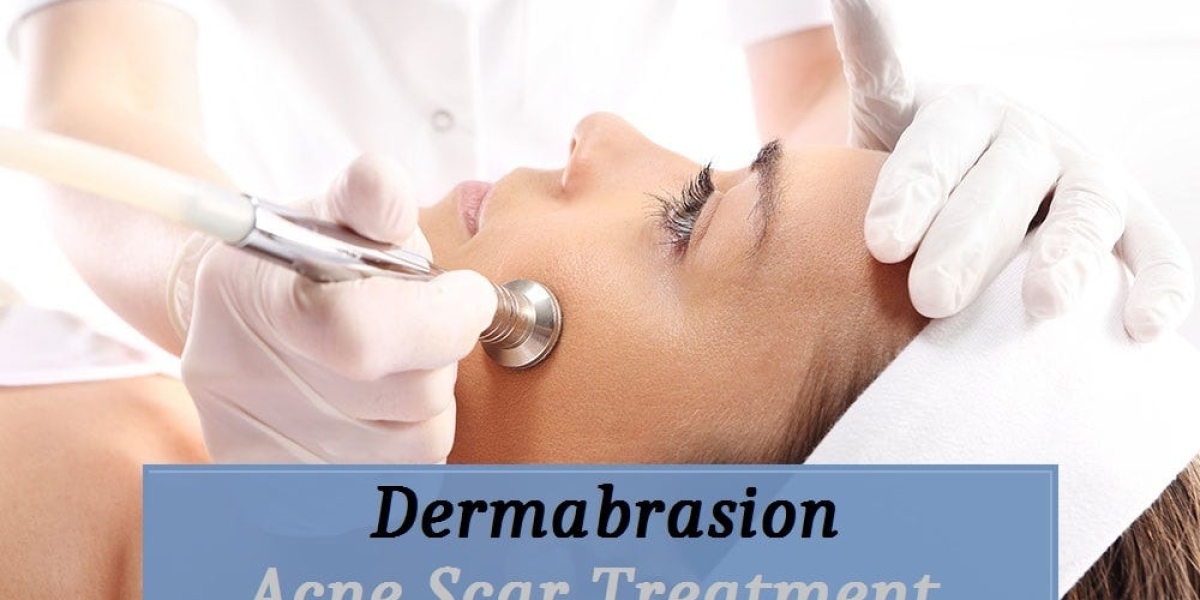

The Science Behind Dermabrasion Treatment in Riyadh
To appreciate the transformative power of modern aesthetics, one must look closely at the biological mechanisms that govern skin repair and regeneration. A Dermabrasion treatment in Riyadh is not merely an exfoliation; it is a scientifically calibrated surgical procedure that leverages the body’s innate wound-healing response to "reset" the skin’s architecture. In 2026, the clinical application of this technique in the Saudi capital is more precise than ever, using high-speed rotary instruments to perform what is known as "planer" resurfacing. By understanding the interaction between mechanical abrasion and the dermal matrix, residents can better understand how this procedure effectively erases deep-seated damage and paves the way for a more resilient, youthful complexion.
Mechanical Planing and the Dermal Matrix
The core of the science behind dermabrasion lies in the controlled removal of tissue layers. A specialist uses a motorized tool, typically equipped with a diamond-fraise or a fine wire brush, rotating at thousands of revolutions per minute.
Controlled Depth: The physician carefully "sands" away the epidermis and reaches into the papillary dermis. This is the layer where structural proteins and blood vessels reside.
Topographical Leveling: On a microscopic level, the tool acts like a precision planer. It removes the elevated "peaks" of scar tissue or the ridges surrounding a wrinkle, forcing the skin to heal into a flat, uniform surface.
The Clinical Indicator: Scientists look for "pinpoint bleeding" during the procedure. This is the signal that the abrasion has reached the optimal depth to stimulate a deep regenerative response without entering the lower reticular dermis, which could cause permanent scarring.
The Biological Wound-Healing Cascade
Once the damaged layers are removed, the body initiates a complex, three-stage biological response that results in the formation of "new" skin:
The Inflammatory Phase: Immediately after a Dermabrasion treatment in Riyadh, the body floods the area with growth factors and white blood cells. This clears away cellular debris and prepares the "scaffold" for new growth.
The Proliferative Phase: Within days, fibroblasts (the skin's building cells) begin synthesizing fresh collagen and elastin. These are the proteins responsible for the skin’s firmness and elasticity. The new tissue, called granulation tissue, is rich in new blood vessels, which accounts for the healthy pink hue seen during early recovery.
The Remodeling Phase: This is the most critical scientific step for long-term results. Over the next several months, the newly formed collagen fibers reorganize themselves into a tighter, more cohesive structure. This "collagen remodeling" is what actually lifts depressed acne scars and smooths out deep-set expression lines.
Impact of the Riyadh Environment on Skin Biology
The science of dermabrasion must also account for the specific environmental stressors of the Nejd region. High heat and aridity can increase "trans-epidermal water loss" (TEWL), which can impede the migration of new skin cells.
Humectant Synergy: Modern clinical protocols in Riyadh emphasize the use of occlusive dressings and humectants (like hyaluronic acid) immediately after abrasion. This creates a "synthetic barrier" that mimics the skin’s natural function, allowing the biological repair process to occur in a perfectly hydrated environment.
UV Shielding: Because the new skin cells lack a matured melanin defense, the science of post-procedure care focuses heavily on physical UV blockers to prevent "melanocyte overactivity," which leads to hyperpigmentation.
Cellular Rejuvenation and Long-Term Vitality
The scientific "miracle" of dermabrasion is that the skin produced after the procedure is biologically younger than the skin that was removed. These new cells have not yet been subjected to the oxidative stress of urban pollutants or the DNA damage caused by long-term sun exposure. By removing the "weathered" layers and forcing the production of an entirely new skin barrier, a Dermabrasion treatment in Riyadh provides a foundation of health that—when properly maintained—remains visible for years. This deep-level scientific intervention is why the procedure continues to be a cornerstone of medical aesthetics in the Kingdom.