
Choosing the ideal location for your new jewelry is a creative process that requires balancing personal style with your unique physical features. When planning an Ear Piercing in Riyadh, the decision often goes beyond a simple choice between the lobe or the helix; it involves a strategic "ear curation" consultation where specialists analyze the folds and ridges of your ear to determine the most flattering placements. In the city’s top-tier studios, this "anatomy-first" approach ensures that each piercing not only looks aesthetically balanced but also has the structural support needed for a healthy, long-term healing process. Whether you are starting with a blank canvas or adding to a growing collection, understanding how to navigate the different "zones" of the ear is the first step in designing a look that feels intentionally yours.
The Anatomy-First Rule
The most important factor in choosing a placement is your specific ear anatomy. No two ears are shaped exactly the same, and what looks beautiful on a friend may not be physically possible for you. During a professional consultation, your piercer will look for specific markers:
The "Sweet Spot": This is the ideal area within a fold of cartilage where the tissue is thick enough to support jewelry but thin enough to heal efficiently.
Ridge Definition: For placements like the rook or the daith, the specialist must ensure your ear has a prominent enough fold of cartilage. If the ridge is too shallow, the piercing may migrate or put pressure on the surrounding tissue.
Blood Flow and Tissue Density: Lobe piercings are placed in soft tissue with high blood flow, which is why they heal faster. Cartilage areas are denser and receive less blood, requiring more precise placement to avoid unnecessary irritation.
Designing for Visual Balance
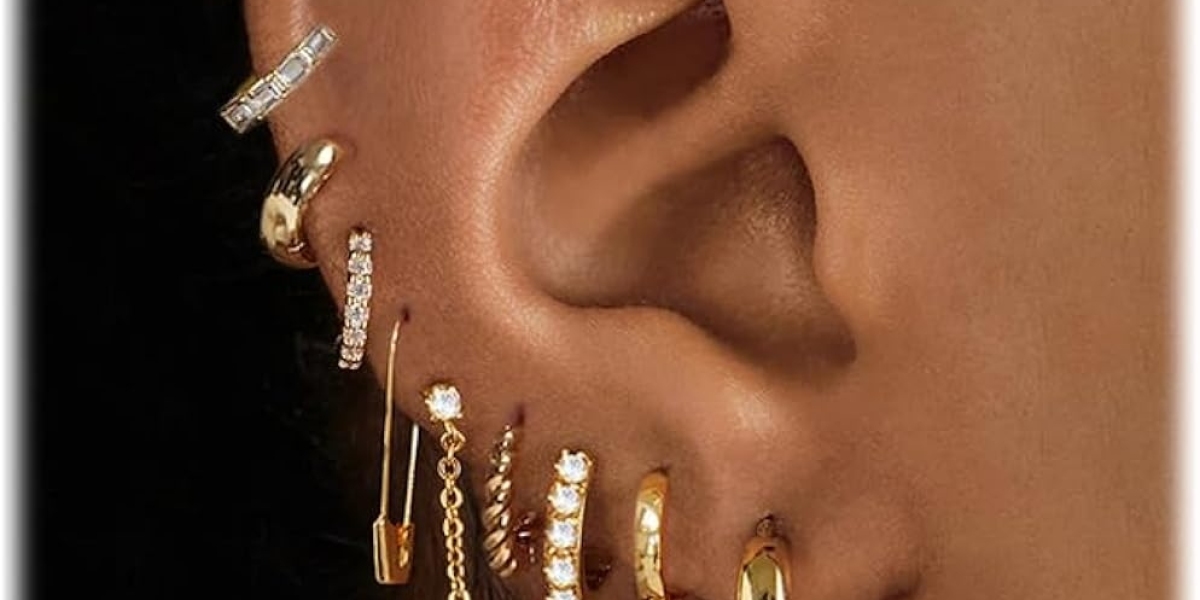
A well-designed "earscape" relies on the principle of visual weight. If you have a large, statement hoop in your conch (the central bowl of the ear), you might balance it with smaller, delicate "constellation" studs in the upper lobe or forward helix.
Modern Riyadh trends lean toward asymmetry. Instead of matching both ears perfectly, many residents choose a "party ear" that features a more complex arrangement of four or five piercings, while the other ear remains minimalist with just one or two classic placements. This creates an organic, high-fashion vibe that allows you to showcase different jewelry styles simultaneously.
Considering Your Lifestyle and Habits
Your daily routine should heavily influence where you choose to get pierced. A placement that is aesthetically stunning but physically inconvenient can lead to a frustrating healing experience.
Headphone Usage: If you frequently wear over-ear headphones or earbuds, placements like the tragus, daith, or conch may be uncomfortable during the initial 6–12 months of healing.
Sleep Position: It is highly recommended not to sleep on a fresh piercing. If you are a dedicated side-sleeper, you may want to pierce only one ear at a time or choose a side that you do not naturally roll onto at night.
Hair Styling: If you often wear your hair down or use a lot of styling products, outer rim piercings like the helix may be more prone to snagging or chemical irritation. In these cases, inner-ear piercings like the rook or daith offer a "protected" location that is less likely to be disturbed.
The Vertical vs. Horizontal Lobe
If you are looking to update a traditional lobe piercing, consider the stacked lobe. Instead of continuing in a horizontal line toward the cartilage, a "stacked" placement sits directly above your first or second hole. This vertical alignment is a modern favorite in Riyadh because it adds immediate dimension and allows you to wear multiple studs in a small, concentrated area—perfect for those who want a curated look without committing to the longer healing times of cartilage.
The "Forward-Facing" Aesthetic
For those who want their piercings to be visible from the front, the forward helix and tragus are prime choices. These placements sit closer to the face and catch the light when you are looking directly at someone. These are often styled with tiny, sparkling micro-gems or minimalist gold balls that frame the face with a subtle "halo" of light. Because these areas are highly visible, they are often the first choice for residents looking to add an edgy yet sophisticated accent to their overall appearance.
Planning Your Piercing Journey
Professional piercers often suggest a "staged" approach to ear curation. Rather than getting five piercings in one sitting—which can overwhelm your immune system—it is better to plan a sequence over several months. This allows you to:
Assess Healing: See how your body responds to a single cartilage piercing before adding more.
Adjust the Design: As you see how the first few pieces of jewelry look, you may decide to change the planned location of the next one to better suit the evolving "flow" of your ear.
Invest in Quality: Planning over time allows you to invest in high-end, solid gold or diamond pieces for each new hole, building a luxurious collection that lasts a lifetime.