
The construction industry has undergone a remarkable transformation in recent decades. Advances in machinery and technology have reshaped how buildings are constructed, making processes faster, more precise, and more efficient. Among these technological advancements, roofing machines have become essential tools for the production of high-quality roofing panels. They play a crucial role in streamlining operations, reducing waste, and ensuring consistent results, ultimately improving productivity for both manufacturers and contractors.
What Are Roofing Machines?
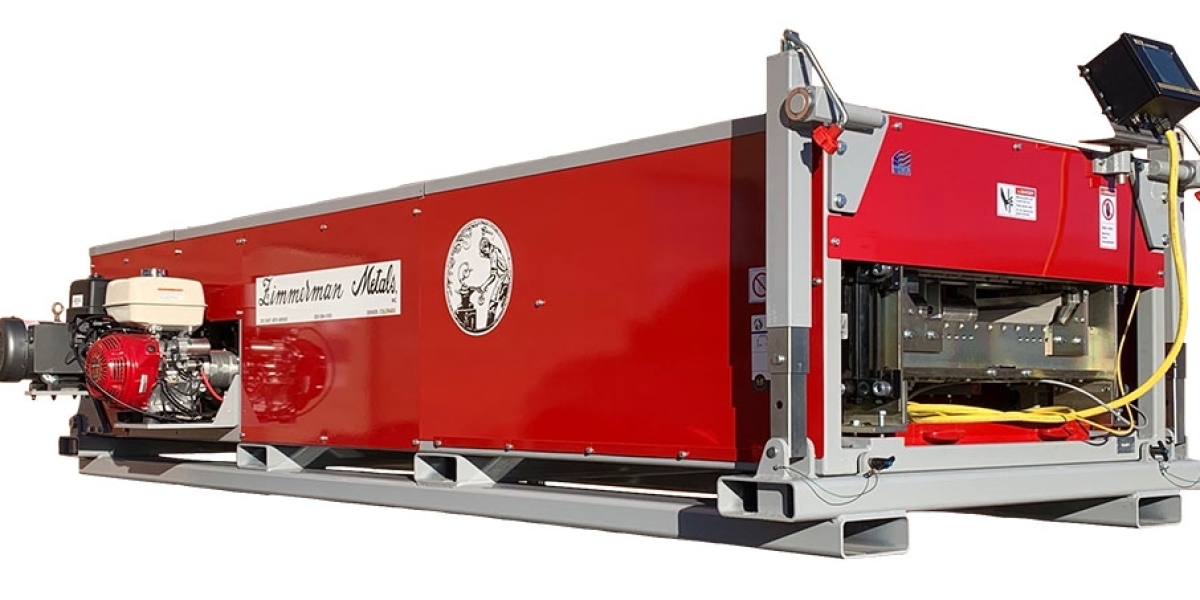
Roofing machines are specialized equipment designed to fabricate roofing panels from raw materials, typically metal sheets or coils. The machines feed the raw material through a series of rollers, which gradually shape it into the desired profile. Once the metal is formed, it is cut to specific lengths based on the needs of the project.
Roofing machines are used in industrial settings, commercial manufacturing, and even on-site for residential or custom construction. By automating the production process, these machines eliminate the inefficiencies of manual fabrication and ensure that every panel meets precise specifications.
Advantages of Using Roofing Machines
1. Increased Production Efficiency
One of the primary benefits of roofing machines is their ability to significantly boost production speed. Manual fabrication of roof panels is labor-intensive and time-consuming, often resulting in inconsistencies and delays.
Roofing machines, however, automate the process. Panels can be continuously produced without interruption, allowing manufacturers to meet large-scale project demands in a fraction of the time. This efficiency translates into faster project completion and lower labor costs.
2. Precision and Consistency
Uniformity is critical in roofing applications. Even minor variations in panel dimensions can cause alignment issues, leaks, and long-term structural problems.
Roofing machines ensure that each panel is produced to exact measurements and specifications. Digital controls allow operators to adjust panel lengths, thickness, and profiles with precision. As a result, the panels fit together seamlessly during installation, reducing errors and enhancing the overall quality of the roof.
3. Reduced Material Waste
Manual cutting of roofing panels often leads to wasted materials due to errors or miscalculations. Roofing machines minimize waste by accurately cutting panels to the desired length, maximizing the use of raw materials.
This not only saves money but also contributes to a more sustainable production process. Less scrap material means lower disposal costs and a smaller environmental footprint.
4. On-Site Production Flexibility
Some modern roofing machines are portable and can be used directly on construction sites. On-site fabrication offers several advantages:
- Panels are produced to the exact length needed, reducing the risk of measurement errors.
- Transportation challenges are minimized since panels are cut and shaped on location.
- Installation can proceed immediately after production, streamlining the workflow.
Portable machines provide contractors with the flexibility to adapt to unique roof designs and custom projects.
Types of Roofing Machines
Roofing machines vary based on the type of panels they produce and their intended use. Understanding the different types helps businesses select the right machine for their needs.
1. Roll Forming Machines
Roll forming machines are the most common type of roofing machine. They feed metal coils through a series of rollers that shape the metal into long, continuous panels. Roll forming machines are ideal for producing standing seam panels, trapezoidal panels, and corrugated roofing sheets.
2. Corrugated Sheet Machines
These machines create wavy or ribbed metal sheets commonly used in industrial buildings, warehouses, and agricultural structures. Corrugated panels are lightweight yet strong, providing an economical solution for large roofing projects.
3. Standing Seam Machines
Standing seam machines produce panels with raised seams that interlock during installation. This design offers superior weather resistance and a sleek, modern look. Standing seam roofing is popular in both residential and commercial applications due to its durability and aesthetics.
4. Multi-Profile Machines
Some advanced machines allow for multiple panel profiles on a single unit. They can switch between trapezoidal, corrugated, or standing seam designs, making them highly versatile for contractors and manufacturers working on diverse projects.
Materials Used in Roofing Machines
Roofing machines are compatible with various metals, each with unique properties:
- Steel: Affordable, strong, and often coated to prevent corrosion.
- Aluminum: Lightweight, rust-resistant, and ideal for coastal climates.
- Copper: Premium option with exceptional longevity and an elegant finish.
- Zinc: Self-healing, low-maintenance, and highly durable.
The material choice depends on project requirements, budget, and desired appearance. Roofing machines ensure that these materials are shaped precisely for efficient installation.
Maintenance and Longevity
To maximize the lifespan and efficiency of roofing machines, regular maintenance is essential. Proper care includes:
- Lubricating moving parts.
- Cleaning rollers and guides to prevent debris buildup.
- Inspecting alignment and fasteners.
- Ensuring electrical and mechanical components are functioning correctly.
Routine maintenance prevents downtime, improves output quality, and extends the machine’s operational life, providing a strong return on investment.
The Role of Roofing Machines in Modern Construction
Roofing machines are indispensable in today’s construction landscape. They enable:
- Faster production for residential, commercial, and industrial roofing projects.
- High-quality panels with minimal defects.
- Customization and flexibility for unique roof designs.
- Reduced labor and material costs.
As demand for durable, energy-efficient, and visually appealing roofing systems grows, roofing machines ensure that contractors and manufacturers can meet high standards efficiently.
The Future of Roofing Panel Production
The future of roofing machines is bright, with advancements in automation, digital controls, and smart monitoring systems. These innovations allow manufacturers to produce panels more quickly, with better accuracy, and lower energy consumption.
Integration with software systems for design and production planning ensures that roofing machines remain at the forefront of efficient construction practices. As modern architecture continues to evolve, these machines will be essential tools in producing durable and visually striking roofing systems.
Conclusion
Roofing machines have revolutionized roof panel production, combining speed, precision, and efficiency. They allow manufacturers and contractors to deliver high-quality roofing panels consistently while reducing labor costs and material waste.