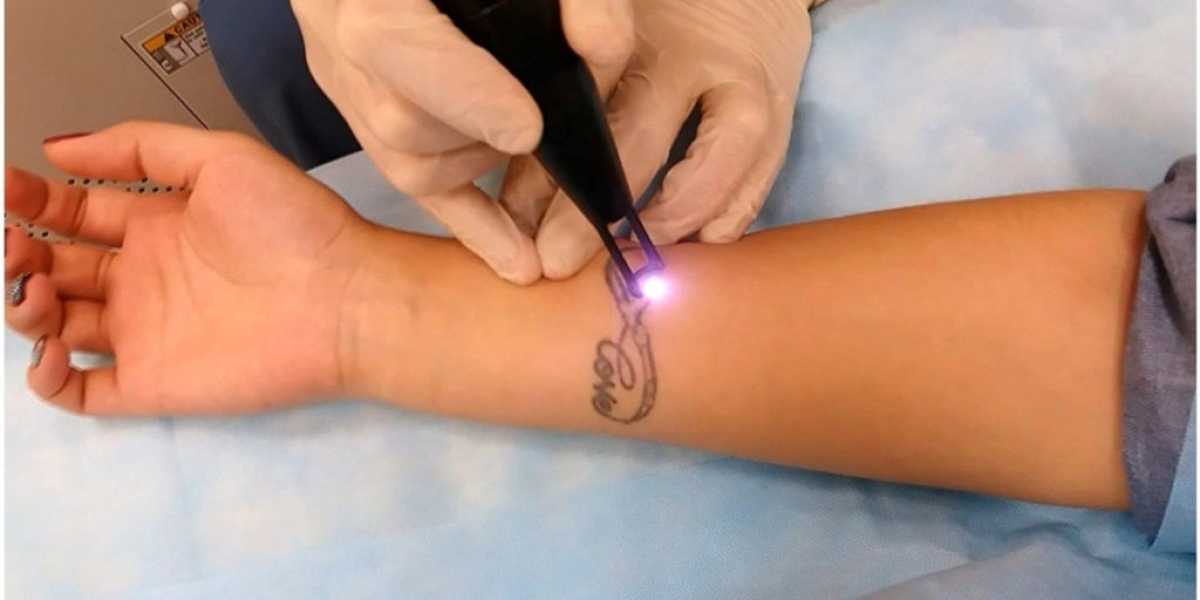

Tattoos are often created using multiple pigments to produce vibrant and detailed artwork on the skin. While these colorful designs can look impressive, many people eventually decide they want them removed or faded. Advancements in laser technology have made this process significantly more effective, even for complex tattoos containing several colors. In the middle of this evolving aesthetic landscape, Laser Tattoo Removal in Dubai has become a popular option for individuals seeking a modern, non-invasive way to reduce or eliminate unwanted body art.
Multi-colored tattoos present unique challenges during removal because each pigment absorbs light differently. Traditional methods often struggled to treat a wide range of colors effectively, especially lighter tones. However, today’s laser systems are designed to target specific pigments while protecting the surrounding skin. This precision approach allows people to address tattoos that contain shades such as red, green, blue, yellow, and black without damaging healthy tissue.
How Laser Technology Targets Tattoo Pigments
Laser tattoo removal works through a process known as selective photothermolysis. In simple terms, the laser emits pulses of highly concentrated light energy that penetrate the skin and interact with tattoo ink particles. Each burst of energy causes the ink to break into smaller fragments.
Once the pigment particles are shattered, the body’s immune system begins to gradually remove them. Specialized cells carry away the broken ink fragments through the lymphatic system, causing the tattoo to fade over time. Because the process happens gradually, multiple sessions are typically needed to achieve significant fading or full removal.
For multi-colored tattoos, different wavelengths of laser light are used to target specific pigments. Dark colors such as black and dark blue absorb most wavelengths easily, making them generally the easiest to remove. Brighter colors, however, may require specialized wavelengths to break down effectively.
Why Multi-Colored Tattoos Require Advanced Laser Systems
The presence of multiple pigments means that a single laser wavelength cannot address every color effectively. Modern laser technology solves this challenge by using devices capable of producing several wavelengths during treatment. Each wavelength interacts with a particular ink color.
For example, darker pigments absorb a broader spectrum of light, while colors like green or turquoise respond best to specific wavelengths. By adjusting the laser settings, practitioners can treat each shade within the tattoo more precisely.
This adaptability is one reason Laser Tattoo Removal in Dubai has gained significant attention. The use of advanced laser platforms allows treatment sessions to focus on individual pigments, gradually breaking down even complex tattoo designs with multiple shades.
The Step-by-Step Process of Laser Tattoo Removal
The removal process begins with an evaluation of the tattoo. Factors such as size, ink colors, depth of pigment, and skin tone all influence the treatment approach. Understanding these characteristics helps determine which laser wavelengths will be used.
During the procedure, protective eyewear is provided while the laser device delivers quick pulses of energy to the tattooed area. Each pulse penetrates the skin and disrupts the pigment particles without harming surrounding tissues.
The sensation during treatment is often described as similar to the snap of a rubber band against the skin. Sessions are typically brief depending on the size and complexity of the tattoo.
After treatment, the body begins the natural process of clearing away the fragmented ink particles. Over several weeks, the tattoo gradually becomes lighter as the immune system removes the pigment debris.
How Different Tattoo Colors Respond to Laser Treatment
The color composition of a tattoo plays a major role in how quickly it fades during laser removal. Dark pigments are usually the easiest to treat because they absorb laser energy efficiently. Black ink, in particular, responds well to most laser wavelengths.
Blue pigments also respond relatively well, though they may require slightly different wavelengths compared to black ink. Red inks can often be treated effectively using lasers designed to target warm pigments.
Green and yellow inks historically posed more difficulty because they reflect many wavelengths rather than absorbing them. However, newer laser technologies have improved the ability to break down these lighter shades.
Because multi-colored tattoos contain a mix of pigments, treatment often involves multiple laser wavelengths over several sessions to address each color layer gradually.
The Role of the Body’s Natural Healing System
Laser technology initiates the breakdown of tattoo pigments, but the body’s immune system completes the removal process. After the laser fragments the ink particles, immune cells move into the treated area to clear away the debris.
This natural elimination process takes time. As weeks pass between sessions, the body continues to flush out the shattered pigment particles. The tattoo gradually fades as the immune system removes more ink fragments.
Healthy circulation, proper aftercare, and adequate healing time between sessions help support the body’s ability to eliminate the pigment effectively.
Factors That Influence the Removal of Multi-Colored Tattoos
Several factors determine how successfully a multi-colored tattoo can be removed. One of the most important factors is the type and density of the ink used in the tattoo. Professional tattoos often contain more concentrated pigments, which may require additional sessions.
Skin tone also plays a role because lasers must be calibrated carefully to target ink without affecting the surrounding skin pigment. The depth of the tattoo ink within the skin layers can also influence how easily the laser energy reaches the pigment particles.
Older tattoos may fade more quickly because some of the ink has already been naturally broken down by the body over time. In contrast, newer tattoos often require additional sessions to achieve similar fading.
Advancements Making Multi-Colored Tattoo Removal More Effective
Modern laser technologies have significantly improved the ability to treat tattoos containing a wide variety of colors. Advanced devices are capable of delivering ultra-short pulses of energy that break down pigments more efficiently while minimizing heat damage to the surrounding tissue.
These improvements allow lasers to target stubborn pigments that were once difficult to remove. As a result, people with complex tattoo designs have more options for achieving noticeable fading or complete removal.
Another advantage of modern systems is the ability to customize treatment settings for each individual tattoo. This level of precision helps ensure that every color within the tattoo is addressed appropriately during the removal process.
Why Many People Choose Laser Tattoo Removal for Colorful Tattoos
Colorful tattoos often represent meaningful memories, artistic expression, or personal milestones. However, preferences can change over time, leading individuals to seek safe and effective ways to remove or fade their body art.
Laser technology offers a method that focuses specifically on ink particles rather than damaging the surrounding skin. This targeted approach allows people to address even complex multi-colored tattoos with improved accuracy.
As technology continues to evolve, the process becomes increasingly efficient and adaptable for various tattoo styles and pigment combinations. In this growing field of aesthetic innovation, many individuals exploring Enfield Royal Clinic are drawn to the advanced techniques designed to break down multi-colored tattoo pigments while supporting the skin’s natural healing process.