
The automobile and real estate industries are two of the most influential sectors shaping modern economies and urban lifestyles. Both industries are undergoing significant transformation due to technological innovation, sustainability initiatives, changing consumer preferences, and evolving urban development patterns. As cities grow and transportation technologies advance, the relationship between housing and mobility is becoming increasingly interconnected. Understanding the emerging trends in these sectors helps consumers, investors, and policymakers make better decisions in a rapidly changing environment.
The Transformation of the Automobile Industry
Over the past decade, the automobile industry has experienced a remarkable shift from traditional internal combustion engines toward electric mobility and smart technologies. Automakers across the world are investing heavily in electric vehicles as governments introduce stricter emissions regulations and consumers become more environmentally conscious.
Electric vehicles are becoming more accessible due to improvements in battery technology and manufacturing efficiency. New battery designs offer longer driving ranges, faster charging times, and lower costs compared to earlier models. As charging infrastructure expands in urban areas and along highways, the practicality of owning an electric vehicle continues to increase.
In addition to electrification, the integration of advanced driver assistance systems is changing the driving experience. Modern vehicles are now equipped with features such as adaptive cruise control, lane-keeping assistance, automatic emergency braking, and intelligent parking systems. These technologies are gradually paving the way toward fully autonomous vehicles in the future.
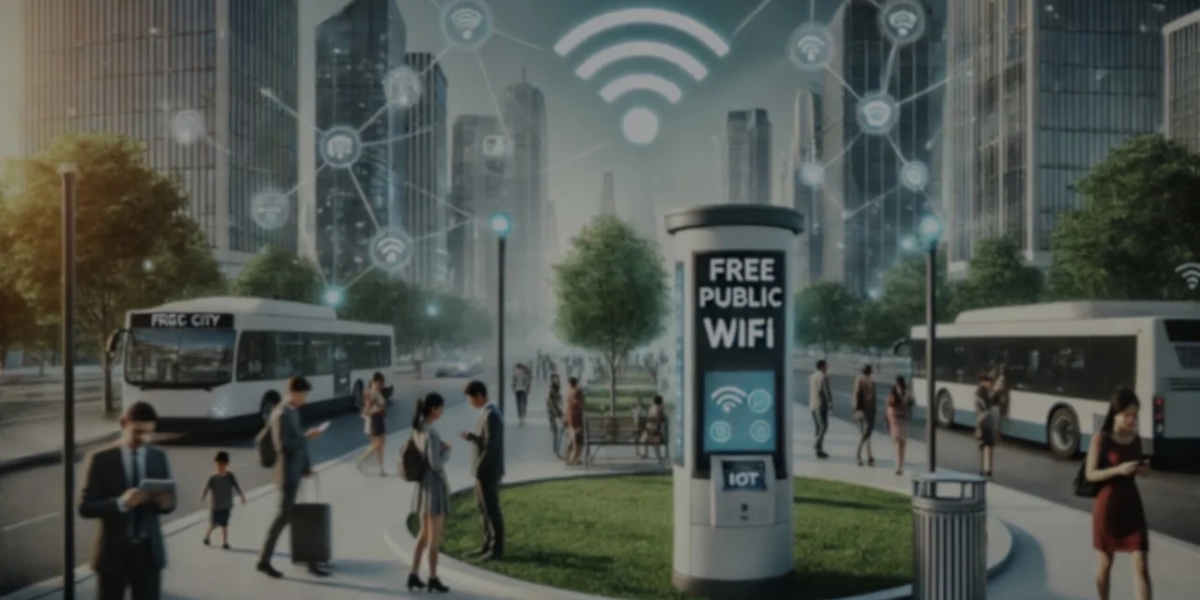
Connected car technology is another important development. Vehicles are increasingly linked to digital networks, allowing drivers to access navigation services, real-time traffic updates, remote diagnostics, and smartphone integration. This connectivity enhances safety, convenience, and vehicle performance while creating new opportunities for automotive software innovation.
Rise of Sustainable Transportation
Sustainability has become a central focus within the automobile sector. Governments worldwide are implementing policies that encourage the adoption of low-emission vehicles, including tax incentives, subsidies, and stricter fuel economy standards.
Hybrid vehicles, electric cars, and hydrogen-powered vehicles are gaining popularity as alternatives to traditional gasoline engines. These technologies help reduce carbon emissions while promoting cleaner urban environments. Public transportation systems are also incorporating electric buses and other eco-friendly mobility solutions to reduce pollution in densely populated areas.
Another growing concept is shared mobility. Ride-sharing services, car-sharing platforms, and subscription-based vehicle ownership models are changing how people use automobiles. Instead of purchasing a vehicle outright, some consumers prefer flexible transportation options that allow them to access a vehicle only when needed.
The Evolution of the Real Estate Market
At the same time, the real estate industry is experiencing its own transformation. Rapid urbanization, demographic changes, and technological advancements are reshaping how residential and commercial properties are developed, marketed, and managed.
Urban areas continue to attract people seeking employment opportunities, education, and modern amenities. As a result, demand for residential properties in well-connected urban locations remains strong. Developers are increasingly focusing on mixed-use projects that combine residential units, office spaces, retail outlets, and recreational facilities within a single community.
This integrated approach creates vibrant neighborhoods where residents can live, work, and socialize without traveling long distances. Such developments reduce commuting time while enhancing convenience and quality of life.
Smart Homes and Technology Integration
Technology is playing an increasingly important role in modern real estate development. Smart home features are becoming standard in many newly constructed residential properties. These systems allow homeowners to control lighting, temperature, security cameras, and appliances through smartphone applications or voice assistants.
Smart home technology improves energy efficiency by optimizing electricity usage and reducing waste. Automated climate control systems can adjust temperatures based on occupancy patterns, while smart lighting systems reduce energy consumption by switching off when rooms are not in use.
Security is another area where technology has made significant improvements. Advanced surveillance systems, digital access control, and remote monitoring tools provide homeowners with greater peace of mind and convenience.
Sustainable and Eco-Friendly Housing
Environmental sustainability is now a major priority for developers and urban planners. Modern residential projects are designed with energy efficiency and environmental responsibility in mind. Green building materials, solar panels, rainwater harvesting systems, and energy-efficient insulation are increasingly being incorporated into new developments.
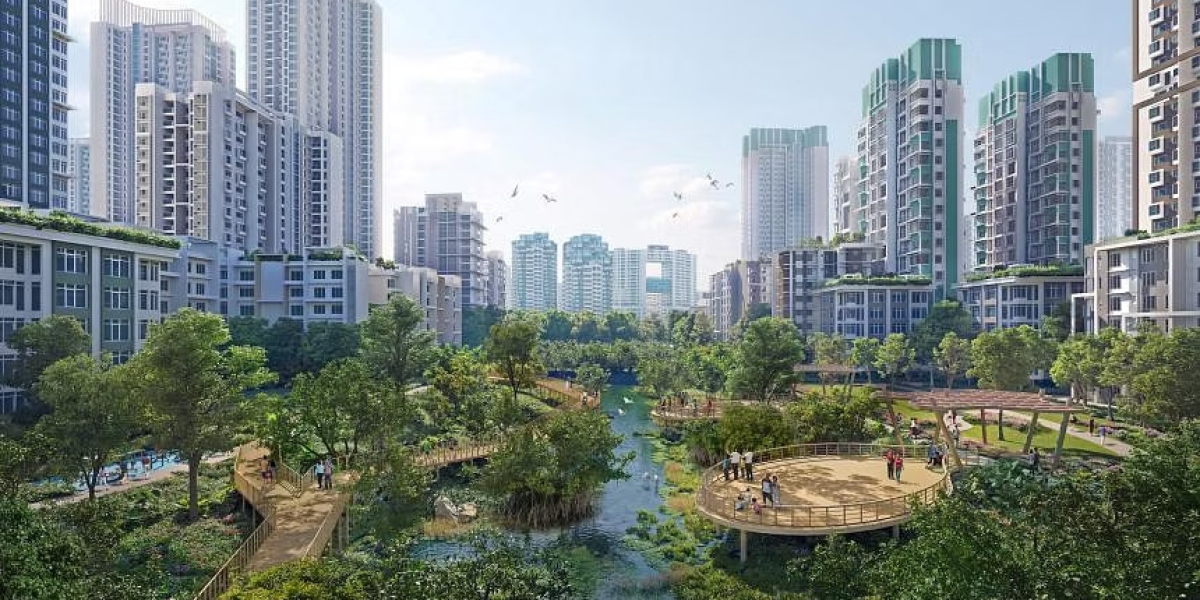
Green spaces are also becoming an essential component of urban housing projects. Parks, landscaped gardens, and rooftop green areas provide residents with access to nature while improving air quality and reducing the urban heat effect.
Many cities are implementing green building certification programs that encourage developers to adopt sustainable construction practices. These initiatives aim to reduce the environmental impact of buildings while creating healthier living environments for residents.
The Connection Between Real Estate and Transportation
One of the most interesting trends linking the automobile and real estate sectors is the growing importance of transportation connectivity in property development. Residential projects located near public transit stations, major highways, or business districts often command higher property values due to their convenience.
Transit-oriented development has become a key strategy in urban planning. This approach focuses on building residential communities around public transportation hubs such as metro stations, railway lines, and bus terminals. By placing housing close to transit infrastructure, cities can reduce traffic congestion, lower emissions, and encourage the use of public transportation.
As electric vehicles become more common, residential developments are also beginning to include dedicated charging infrastructure in parking areas. Providing convenient charging options can significantly increase the attractiveness of a property for modern buyers.
Investment Opportunities in Both Industries
The evolving nature of both industries also presents new opportunities for investors. In the automobile sector, companies involved in electric vehicle production, battery technology, and automotive software development are attracting significant investment.
In real estate, properties located in rapidly developing urban areas or near major infrastructure projects often offer strong long-term growth potential. Investors frequently look for regions where transportation improvements, economic development, and population growth are expected to drive demand for housing.
Rental markets are also benefiting from changing lifestyle preferences. Many young professionals prefer renting apartments in well-located urban areas rather than purchasing homes immediately. This trend creates steady demand for rental properties in major cities.
Future Outlook
The future of the automobile and real estate industries will likely be shaped by continued innovation and urban transformation. Electric mobility, autonomous vehicles, and digital connectivity will redefine transportation, while smart technology and sustainable design will influence how homes and communities are built.
As these industries continue to evolve, their relationship will become even stronger. Transportation infrastructure influences where people choose to live, while residential development shapes the demand for mobility solutions. Understanding this dynamic relationship will be crucial for developers, investors, and consumers navigating the future landscape of urban living.
Important Links
How Do You Choose the Right Condo in the East Coast Singapore
How much down payment is required for a condo in Singapore
What are the hidden costs of buying a condo in Singapore
10 Market Insights to Property Investment in Singapore
Step by Step Process to Buy a Condo in Singapore
Guide to Buying Property in Singapore for Expats