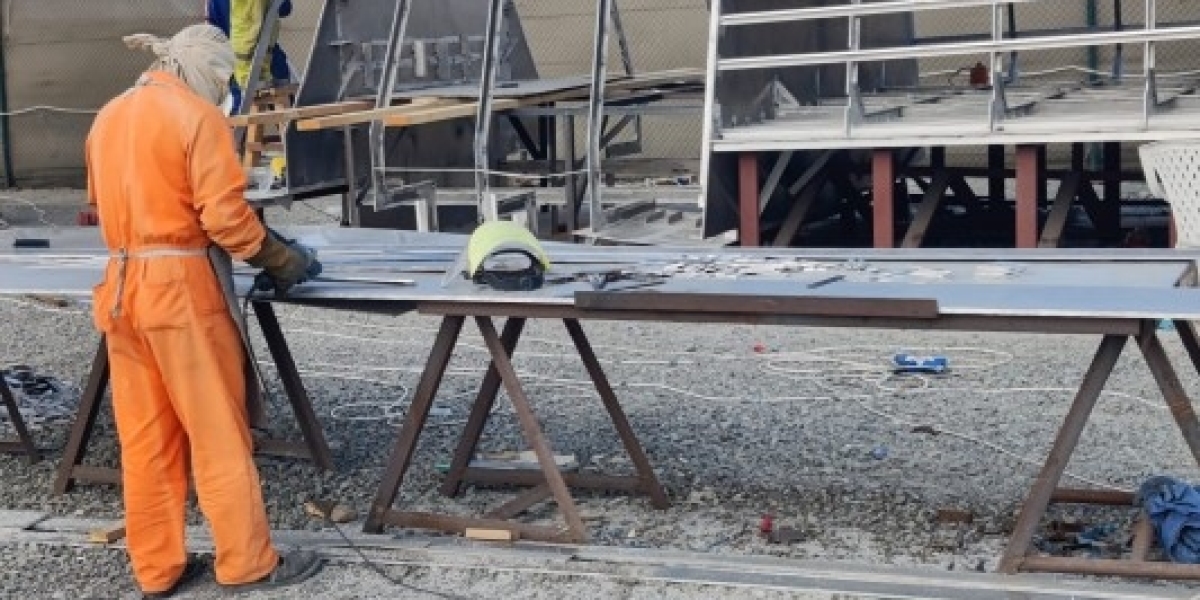

Global trade relies heavily on maritime transportation. Today, nearly 80–90% of global goods are transported by sea, making the shipping industry one of the most important parts of the world economy. A barge building company plays a significant role in supporting this system by designing and constructing vessels that help move cargo through rivers, ports, and coastal areas. Barges are flat-bottomed vessels used to carry heavy cargo such as coal, construction materials, containers, oil, and agricultural products. Because of their high cargo capacity and ability to operate in shallow waters, barges are widely used in marine logistics and inland waterway transportation.
The importance of barges has grown steadily over the years as global trade continues to expand. Businesses around the world rely on efficient cargo transportation to maintain supply chains, and barges provide one of the most cost-effective and reliable solutions. Through advanced engineering, modern shipyards, and innovative vessel design, the barge building industry continues to strengthen marine transport infrastructure across the world.
Growing Role of Barges in Global Trade
The growth of international commerce has increased the demand for efficient marine transportation systems. According to global maritime trade reports, seaborne trade exceeded 12 billion tons in 2023, showing the massive scale at which goods move across oceans and waterways.
While large container ships carry goods between continents, barges play a crucial role in transporting cargo between ports, coastal terminals, and inland locations. They act as connectors between major shipping routes and local distribution networks. This makes barges an essential part of global supply chains.
A well-designed barge ensures that goods can be transported safely and efficiently even in shallow waterways where large ships cannot operate. With strong hull structures and high cargo capacity, barges help industries move large volumes of raw materials and finished products.
Efficiency of Inland Waterway Transport
Inland waterways such as rivers and canals are vital transportation routes in many regions. Countries with strong river networks depend heavily on barge transportation because it offers a highly efficient way to move bulk cargo.
Barges are capable of carrying extremely heavy loads. In fact, a single barge can transport the equivalent cargo of about 50 to 60 trucks, which significantly reduces road congestion and transportation costs. This efficiency makes barges a preferred choice for industries such as agriculture, mining, and construction.
Modern vessel design has also improved the performance and durability of barges. Advanced construction techniques ensure that barges can withstand heavy loads and long operating hours while maintaining safety and efficiency.
Importance of Aluminum Barges in Marine Transport
In recent years, the maritime industry has increasingly adopted aluminum vessels because of their durability and lightweight properties. Aluminum barge builders focus on constructing vessels that are strong, corrosion-resistant, and highly efficient for marine operations.
Aluminum barges are lighter than traditional steel barges, which allows them to consume less fuel while maintaining high cargo capacity. Their corrosion resistance also makes them suitable for long-term operations in harsh marine environments.
These advantages make aluminum barges ideal for industries such as offshore logistics, port operations, and coastal transportation. As maritime technology continues to evolve, aluminum vessels are becoming a preferred option for many shipping companies and marine operators.
Supporting Port Operations and Logistics
Ports are the backbone of global maritime trade. Every year, millions of tons of cargo move through ports around the world. However, efficient port operations depend not only on large ships but also on smaller vessels such as barges.
Barges are widely used to transport cargo between ships and terminals within busy ports. They can move containers, fuel, construction materials, and other essential supplies required for port operations.
Specialized barges are also used for dredging, offshore construction, and marine infrastructure development. These vessels help maintain waterways, expand port facilities, and support various maritime activities that keep global trade moving smoothly.
Role of UAE in the Maritime Construction Industry
The Middle East has become an important hub for maritime trade and vessel construction. Due to its strategic location between Europe, Asia, and Africa, the region handles a large volume of international shipping traffic.
As a result, barge builders in UAE play an important role in supporting marine transportation in the region. Shipyards in the UAE are known for their advanced infrastructure, modern shipbuilding facilities, and skilled engineering workforce.
These shipyards design and construct a wide range of marine vessels, including cargo barges, deck barges, and offshore support barges. Their expertise helps meet the growing demand for vessels used in logistics, construction, and offshore energy operations.
Cost Advantages of Barge Transportation
One of the biggest advantages of barge transportation is cost efficiency. Because barges can carry large volumes of cargo in a single trip, the overall transportation cost per ton is significantly lower compared to trucks or trains.
Industry studies show that transporting bulk cargo through waterways can be 30–40% cheaper than road transport in many cases. This cost advantage helps businesses reduce logistics expenses and improve supply chain efficiency.
Barge transportation also reduces traffic congestion on highways and lowers fuel consumption, making it both economically and environmentally beneficial.
Sustainable Marine Transportation
Environmental sustainability has become a major focus for the shipping industry. Governments and global organizations are encouraging the adoption of greener transportation solutions to reduce carbon emissions.
Barge transportation is considered one of the most eco-friendly modes of cargo transport. Because a single barge can carry a large amount of cargo, it produces significantly fewer emissions per ton of cargo compared to trucks.
Modern aluminium barge manufacturers are working on innovative vessel designs that further improve fuel efficiency and reduce environmental impact. These vessels often include optimized hull designs, lightweight materials, and energy-efficient propulsion systems.
Such advancements support the global transition toward cleaner and more sustainable maritime transportation.
Supporting Offshore and Marine Construction
Barges are also widely used in offshore and marine construction projects. They serve as stable platforms for heavy equipment used in bridge construction, port development, dredging operations, and offshore energy installations.
Deck barges and crane barges allow engineers to perform complex construction tasks in marine environments. These vessels provide the stability and cargo capacity needed to transport machinery, materials, and equipment required for large infrastructure projects.
Because of their versatility, barges play an essential role in developing coastal infrastructure and maintaining navigational waterways.
Strengthening Global Supply Chains
Global supply chains depend on reliable transportation networks that connect production centers with consumer markets. Barges help strengthen these supply chains by providing efficient transportation between ports and inland regions.
They are particularly useful for transporting bulk commodities such as grain, petroleum products, steel, and construction materials. Their ability to operate in shallow waters allows them to reach areas that may not be accessible by large cargo ships.
This flexibility makes barges an important part of modern logistics systems and helps ensure the continuous movement of goods across international markets.
Conclusion
Barges have become an essential component of the global maritime transportation network. They support international trade by enabling efficient cargo movement through rivers, canals, ports, and coastal regions. With the rapid growth of global commerce, the demand for reliable and efficient barges continues to increase.
From improving inland waterway logistics to supporting offshore construction and port operations, barges contribute significantly to global trade infrastructure. Continuous innovation in vessel design and marine engineering is further enhancing the efficiency and sustainability of barge transportation.
As the maritime industry evolves, the expertise of shipbuilders and marine engineers will remain crucial in developing advanced vessels that support the growing demands of global shipping and marine transport.