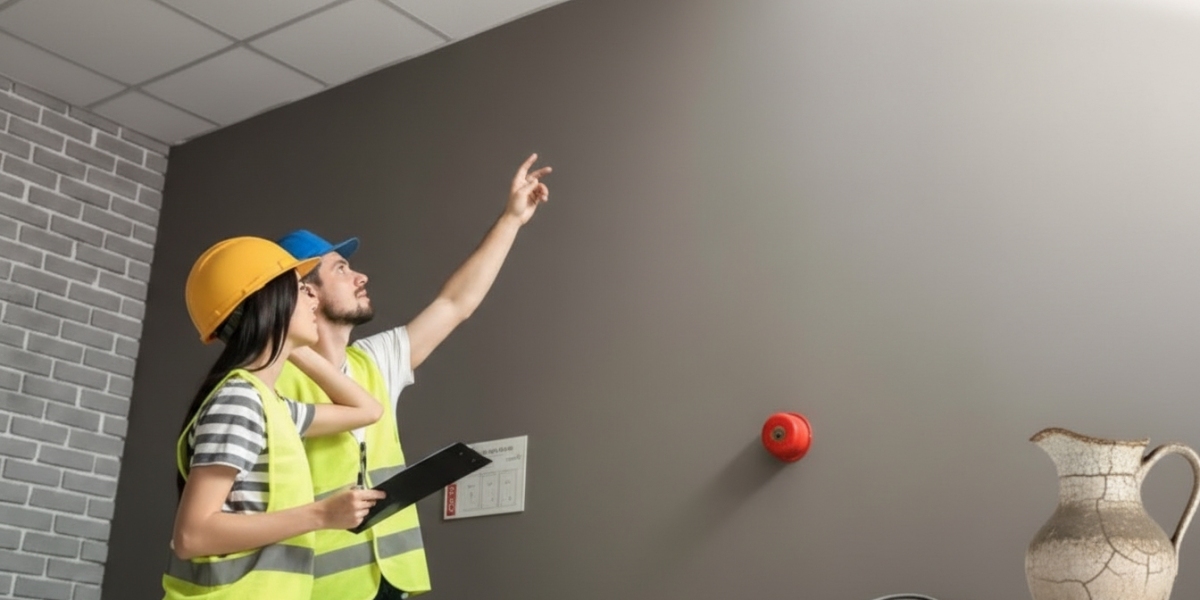

Snagging inspection is an essential process for anyone purchasing or taking possession of a new or recently renovated property. It focuses on identifying defects, incomplete work, poor finishes, and functional issues before the final handover. From a buyer’s perspective, this inspection acts as a protective step that ensures the property meets promised standards and is ready for comfortable living.
In modern real estate markets, buyers are more informed and cautious than ever. Search behavior on platforms like Google shows strong intent for clear guidance on snagging inspection, as property owners want transparency, quality assurance, and peace of mind. A well-executed snagging inspection helps prevent future disputes and costly repairs by addressing issues at the right time.
What Is a Snagging Inspection
A snagging inspection is a detailed visual and functional assessment of a property carried out before final acceptance. The goal is to identify any snags, which are defects or shortcomings that do not meet agreed specifications or acceptable construction standards. These can range from cosmetic imperfections to operational faults that affect daily use.
This inspection is typically performed when construction is complete but before the buyer signs off on handover documents. At this stage, the developer or contractor is still responsible for correcting issues, making it the most effective time to raise concerns.
Why Snagging Inspection Is Important
Snagging inspection protects buyers from inheriting problems that should have been resolved by the builder. Without this process, minor defects can become major frustrations once the property is occupied. Fixing issues later often means extra expense, inconvenience, and limited accountability.
From a quality perspective, snagging inspection ensures that workmanship aligns with promised standards. From a financial perspective, it safeguards the buyer’s investment. From a practical perspective, it ensures the home is safe, functional, and comfortable from the first day of use.
Key Areas Covered During Snagging Inspection
A professional snagging inspection reviews every accessible part of the property with attention to detail and functionality. Structural elements are checked for visible defects such as cracks, uneven surfaces, or poor finishing. Interior finishes like walls, ceilings, flooring, doors, and windows are examined for alignment, damage, or incomplete work.
Mechanical and electrical systems are also assessed. This includes switches, sockets, lighting, plumbing fixtures, water flow, drainage, and ventilation. Kitchens and bathrooms receive particular focus due to their heavy daily use and higher risk of hidden issues. External areas, where applicable, are checked for proper drainage, finishing quality, and safety.
When Should Snagging Inspection Be Done
The ideal time for a snagging inspection is when the property is declared complete but before final handover or possession. At this stage, utilities are usually active, allowing systems to be tested properly. Conducting the inspection too early may limit what can be assessed, while doing it too late can weaken the buyer’s position when requesting fixes.
For buyers, timing is crucial. A properly timed snagging inspection ensures that defects are documented clearly and resolved before occupancy, avoiding disruption later.
Professional Snagging Inspection Versus Self Inspection
Some buyers consider conducting their own inspection, especially to save cost. While a self inspection can identify obvious issues, it often misses technical or hidden defects. Professional inspectors bring experience, trained observation, and systematic methods that ensure nothing important is overlooked.
A professional snagging inspection report is also more credible when dealing with developers or contractors. Clear documentation, professional language, and structured findings make it easier to request corrections and follow up until issues are resolved.
The Snagging Inspection Report
The outcome of a snagging inspection is a detailed report outlining all identified issues. Each snag is described clearly, often categorized by area or system. This report becomes an official reference document shared with the developer or builder for rectification.
A good snagging inspection report is easy to understand, well organized, and focused on actionable items. It helps both parties communicate effectively and ensures that responsibilities are clear.
Common Issues Found During Snagging Inspection
Many properties, even newly built ones, have snags that need attention. Common findings include uneven paint finishes, loose fixtures, misaligned doors, leaking taps, poor sealing, and electrical faults. These issues may seem minor individually, but together they affect comfort, safety, and long term durability.
Identifying these problems early through snagging inspection allows them to be resolved efficiently, often without additional cost to the buyer.
How Snagging Inspection Aligns With User Intent
People searching for snagging inspection information are usually property buyers seeking clarity and reassurance. They want to understand the process, its value, and how it protects them. A clear explanation of snagging inspection addresses this intent by educating buyers and empowering them to make informed decisions.
By focusing on quality assurance and buyer protection, snagging inspection content meets both informational and transactional intent, helping users feel confident in their property purchase journey.
Frequently Asked Questions About Snagging Inspection
Is snagging inspection only for new properties
Snagging inspection is most common for new builds, but it is also useful for renovated properties where workmanship quality needs verification.
Can snagging inspection delay property handover
When planned correctly, snagging inspection supports smoother handover by identifying issues early rather than causing delays later.
Who is responsible for fixing snags
In most cases, the developer or contractor is responsible for resolving snags identified before final acceptance.
Is snagging inspection worth the effort
Snagging inspection provides long term value by reducing future repair costs and ensuring better living conditions from the start.
Conclusion
Snagging inspection is a vital step in the property buying process that should never be overlooked. It ensures that a property is delivered as promised, free from defects that could compromise comfort, safety, or value. By identifying issues before final handover, buyers protect their investment and gain peace of mind.
Whether performed independently or by a professional, snagging inspection empowers buyers to take control of quality standards. In a competitive property market, this process is not just a formality but a smart and responsible decision that supports confident ownership and long term satisfaction.