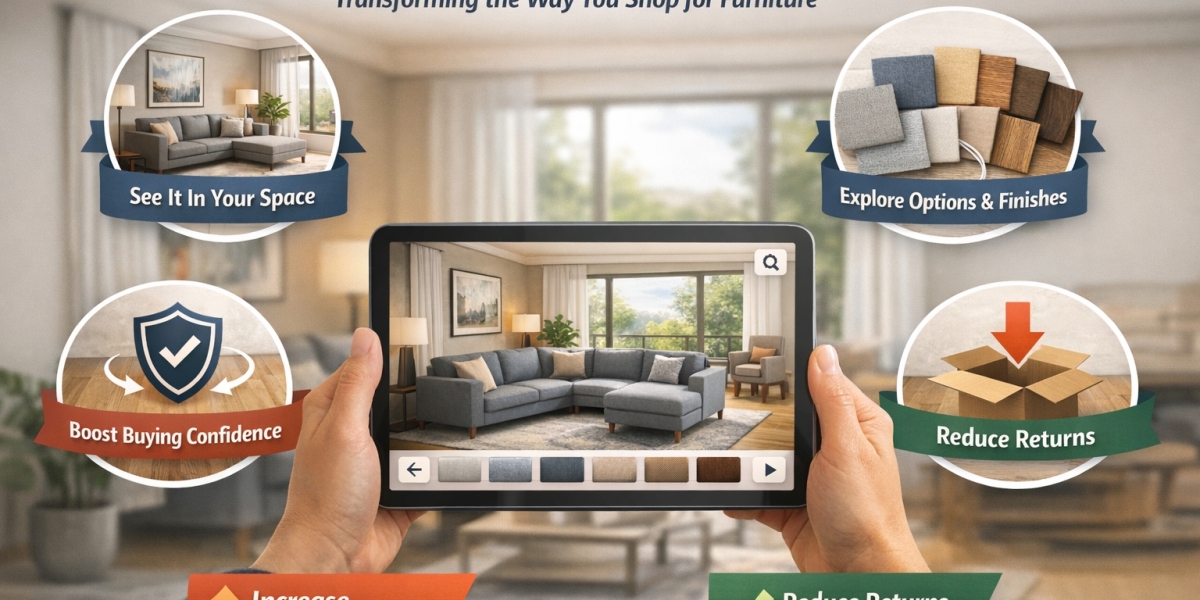

Buying furniture is exciting, but it can also feel uncertain. A sofa may look perfect on a product page, yet customers still wonder whether it will suit their room, match their style, or fit the space properly. That doubt often leads to hesitation, abandoned carts, delayed decisions, and lower conversions for furniture brands.
This is exactly where 3d furniture visualization is changing the game.
Instead of asking customers to imagine how a product might look, brands can now help them see it clearly before they buy. From online stores to design consultations, this technology is making furniture shopping more interactive, realistic, and confidence-driven. For brands, it is not just a visual upgrade. It is a powerful sales tool.
What Is 3D Furniture Visualization?
3d furniture visualization is the process of creating realistic digital representations of furniture that can be viewed in different settings, angles, materials, and layouts. It allows customers, designers, and retailers to preview furniture in a way that feels much closer to real life than flat product photos.
Rather than relying only on static images, users can explore furniture in styled rooms, rotate products, compare finishes, and understand how pieces work within a complete interior setting.
This can include:
Realistic room scenes
Multiple fabric or material options
Various color combinations
Different furniture placements
Scaled views that improve spatial understanding
For furniture brands, this means a better way to present products. For customers, it means better decision-making.
Why 3D Furniture Visualization Matters in Modern E-Commerce
Furniture is not an impulse purchase. It is a considered decision, often involving budget, design preference, room dimensions, and long-term use. When shoppers do not feel sure, they delay.
That is why 3d furniture visualization has become so valuable in furniture e-commerce.
A customer browsing dining tables may like the design, but still ask:
Will this match my flooring?
Is the finish too dark for my room?
Will this shape suit a modern interior?
Does it look premium enough in an open layout?
A realistic digital preview answers these questions faster than text descriptions ever can.
When people can see a product more clearly, they feel more confident. And when confidence increases, conversions often improve too.
How 3D Furniture Visualization Improves the Customer Experience
The biggest advantage of 3d furniture visualization is that it reduces uncertainty. Customers do not need to guess as much. They can explore, compare, and understand products visually.
Here is how it improves the shopping journey:
Better Product Understanding
A single front-facing image cannot show enough detail. A 3D view helps shoppers understand dimensions, shape, depth, and design language much more effectively.
For example, a modular sectional sofa may look compact in one image but reveal its true scale and seating layout when visualized properly in a full room.
Higher Buying Confidence
Furniture shoppers often worry about making an expensive mistake. By seeing a product in a realistic environment, they feel more sure about their choices.
This is especially useful for premium furniture, custom-made products, and high-ticket categories where visual trust matters a lot.
More Personalization
Many buyers want options. They may like one sofa design but want to compare beige fabric, charcoal upholstery, or wooden leg finishes. 3d furniture visualization makes these comparisons easier and more engaging.
This turns browsing into an interactive experience instead of a passive one.
Fewer Returns and Complaints
One common reason for returns is that the delivered product looks different from what the buyer expected. Better visual clarity can reduce that gap.
When customers understand what they are ordering, there is a lower chance of disappointment after delivery.
Key Benefits for Furniture Brands and Retailers
It is easy to think of this as a customer-facing feature only, but 3d furniture visualization also creates major business benefits.
Stronger Product Presentation
Great furniture deserves great presentation. High-quality visualization helps brands display products in a premium, polished way. It creates a stronger first impression and helps even standard catalog items feel more aspirational.
Improved Conversion Rates
When customers can visualize the product properly, hesitation reduces. They move closer to inquiry, shortlist, or purchase. This is especially important for brands selling through websites, dealer networks, and digital catalogs.
Faster Sales Cycles
Sales teams often spend time answering repeated questions about color, scale, styling, and placement. With strong 3d furniture visualization, many of those questions are answered visually upfront, which can speed up decision-making.
Better Marketing Assets
The same visual content can be repurposed across website banners, ads, social media, product PDFs, dealer presentations, and marketplace listings. This makes content production more efficient while maintaining consistency.
A More Premium Brand Image
Today, presentation influences perception. Brands that invest in modern visual tools appear more innovative, trustworthy, and customer-focused.
This is one reason solutions from companies like Nirwana.ai are becoming increasingly relevant for furniture businesses looking to modernize their digital selling experience.
Real-World Uses of 3D Furniture Visualization
This technology is not limited to one type of business. It can support multiple use cases across the furniture industry.
Furniture E-Commerce Websites
Online brands use 3d furniture visualization to help customers browse products more interactively and understand them in styled spaces before purchasing.
Interior Designers and Consultants
Design professionals use visual previews to present concepts to clients. Instead of explaining a design idea verbally, they can show how a furniture piece may look in the context of the full room.
Showrooms and Dealer Networks
Retail showrooms can use digital displays or tablets to show products in multiple finishes and room settings, even if every variation is not physically available on-site.
Custom Furniture Businesses
Custom orders require trust. If a customer is selecting size, fabric, wood finish, or layout, realistic previews help them approve the final choice with more confidence.
What Makes Great 3D Furniture Visualization Effective?
Not all visual content performs equally. For 3d furniture visualization to truly help sales, it should be realistic, practical, and easy to understand.
The most effective visualizations usually include:
Photorealistic Quality
The closer the result looks to a real product in a real room, the stronger the impact. Lighting, texture, shadows, and proportions all matter.
Accurate Product Representation
The product should reflect the actual design, shape, and material as closely as possible. If the visualization looks too artificial or inaccurate, trust can drop.
Clear Room Context
A furniture item shown in a realistic room gives customers context. It helps them imagine how the piece fits into everyday living.
Simple User Interaction
The experience should feel intuitive. If customers can easily compare finishes, explore angles, or view styled placements, engagement rises.
This is why many forward-thinking brands are exploring platforms like Nirwana.ai to create more practical and conversion-focused product visualization journeys.
The Future of Furniture Selling Is Visual
Furniture buying is becoming more digital, but customer expectations are also becoming more demanding. People want convenience, yes, but they also want clarity. They want to feel certain before making a purchase.
That is why 3d furniture visualization is no longer just a nice extra. It is becoming a core part of modern furniture selling.
It helps customers imagine better, decide faster, and buy with more confidence. At the same time, it helps brands present products more effectively, reduce friction in the sales process, and create a stronger digital presence.
As online competition continues to grow, brands that make buying easier and more visual will have a clear edge.
If you want to create a better furniture shopping experience and make your products easier to sell, now is the right time to explore the value of 3d furniture visualization. A smarter, more visual buying journey can make all the difference.