
Living with a rare kidney condition can raise many questions, especially when the diagnosis comes with unfamiliar medical terms. At NephCure, our mission is to make kidney health education clear, supportive, and empowering. This article is designed to build awareness and understanding of focal segmental glomerulosclerosis types, explain what it means to live with an fsgs kidney disorder, and outline today’s fsgs treatment options in an engaging and approachable way.
Our goal is simple: help patients and families feel informed, supported, and confident as they navigate their kidney health journey.
What Is an FSGS Kidney Disorder?
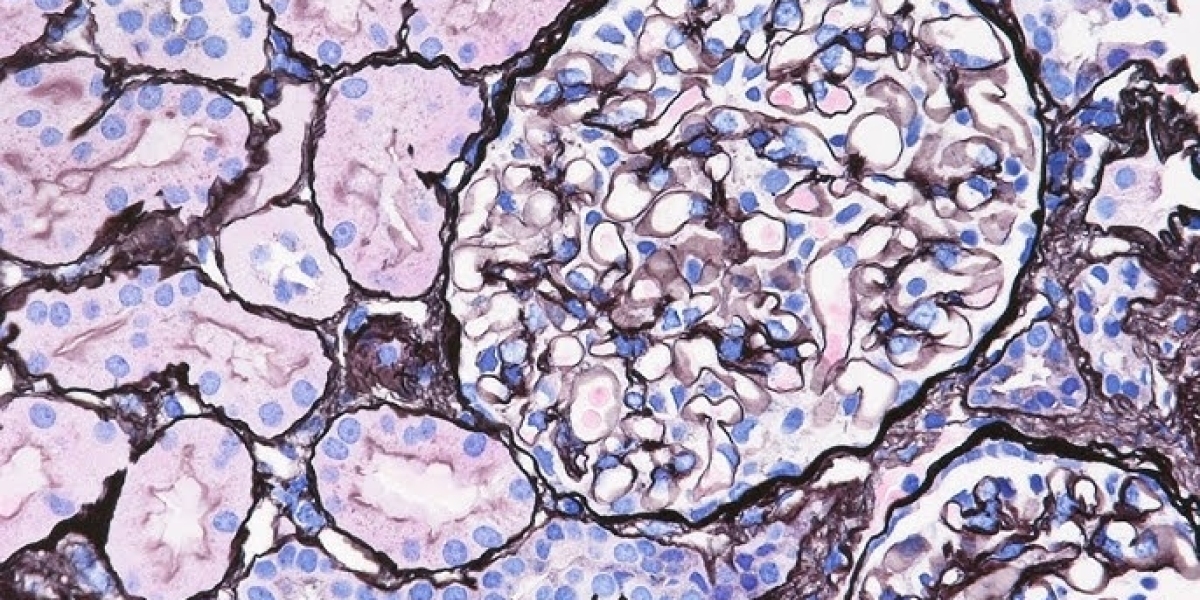
Focal segmental glomerulosclerosis, commonly known as FSGS, is a chronic condition that affects the kidneys’ filtering units, called glomeruli. In an fsgs kidney disorder, some of these filters become scarred, making it harder for the kidneys to properly filter waste and keep protein in the bloodstream.
Over time, this damage can lead to protein leaking into the urine, swelling, and reduced kidney function. Because FSGS is considered a rare disease, many patients face delays in diagnosis or limited access to clear information—making education especially important.
Understanding Focal Segmental Glomerulosclerosis Types
Not all FSGS cases are the same. There are several focal segmental glomerulosclerosis types, and identifying which type a patient has can help guide care decisions and expectations.
Common Types of FSGS Include:
Primary (idiopathic) FSGS
This type has no clearly identified cause and is often linked to immune system activity.Secondary FSGS
Develops as a result of another condition or factor, such as obesity, reduced kidney mass, infections, or long-term stress on the kidneys.Genetic FSGS
Caused by inherited gene mutations that affect kidney structure or function.Adaptive FSGS
Occurs when the kidneys adapt to increased workload, which over time can lead to scarring.
At NephCure, we emphasize that understanding these focal segmental glomerulosclerosis types helps patients have more informed conversations with their healthcare teams.
Signs and Symptoms Patients May Experience
Regardless of type, an fsgs kidney disorder often shares similar symptoms related to kidney damage and protein loss.
Common Symptoms May Include:
Swelling in the legs, ankles, feet, or around the eyes
Foamy or bubbly urine
Fatigue or low energy
Sudden weight gain from fluid retention
High blood pressure
Because symptoms can develop gradually, regular monitoring and early evaluation are key.
Why Identifying the Type of FSGS Matters
Knowing the specific type of FSGS is not just a technical detail—it can influence how the disease is managed and monitored. For example:
Secondary FSGS may improve when the underlying cause is addressed
Genetic forms may respond differently to certain therapies
Primary FSGS often requires closer immune-related evaluation
NephCure encourages patients to ask questions and seek clarity about their diagnosis so they can play an active role in their care.
FSGS Treatment Options: A Personalized Approach
There is no single plan that works for everyone. FSGS treatment options are often tailored based on the type of FSGS, disease severity, and individual patient needs.
Common Goals of Treatment:
Reduce protein leakage in the urine
Control blood pressure
Protect remaining kidney function
Slow disease progression
FSGS Treatment Options May Include:
Medications to support kidney health and reduce protein loss
Therapies aimed at immune system involvement in certain cases
Management of contributing conditions in secondary FSGS
Lifestyle and dietary guidance to support overall wellness
Ongoing monitoring with blood and urine tests
At NephCure, we remind patients that treatment is a journey. Care plans may evolve over time, and regular follow-ups are essential.
Living Well With an FSGS Kidney Disorder
Managing FSGS extends beyond medical treatment. Emotional well-being, education, and community support all play a role in quality of life.
Helpful Tips for Patients and Families:
Track symptoms and questions between appointments
Stay informed using reliable educational resources
Follow treatment and monitoring plans consistently
Connect with patient support communities
Living with a rare condition can feel isolating, but support and shared knowledge can make a meaningful difference.
The Importance of Awareness and Advocacy
Because FSGS is rare, awareness remains limited. NephCure is dedicated to:
Advancing research into better treatments
Educating patients, caregivers, and healthcare communities
Amplifying patient voices in research and policy discussions
By increasing understanding of focal segmental glomerulosclerosis types, raising awareness of the fsgs kidney disorder experience, and sharing information about fsgs treatment options, we help move kidney care forward.
Moving Forward With Knowledge and Hope
An FSGS diagnosis can feel overwhelming, but knowledge brings clarity—and clarity builds confidence. With growing research, improved awareness, and strong patient advocacy, there is real hope for the future.