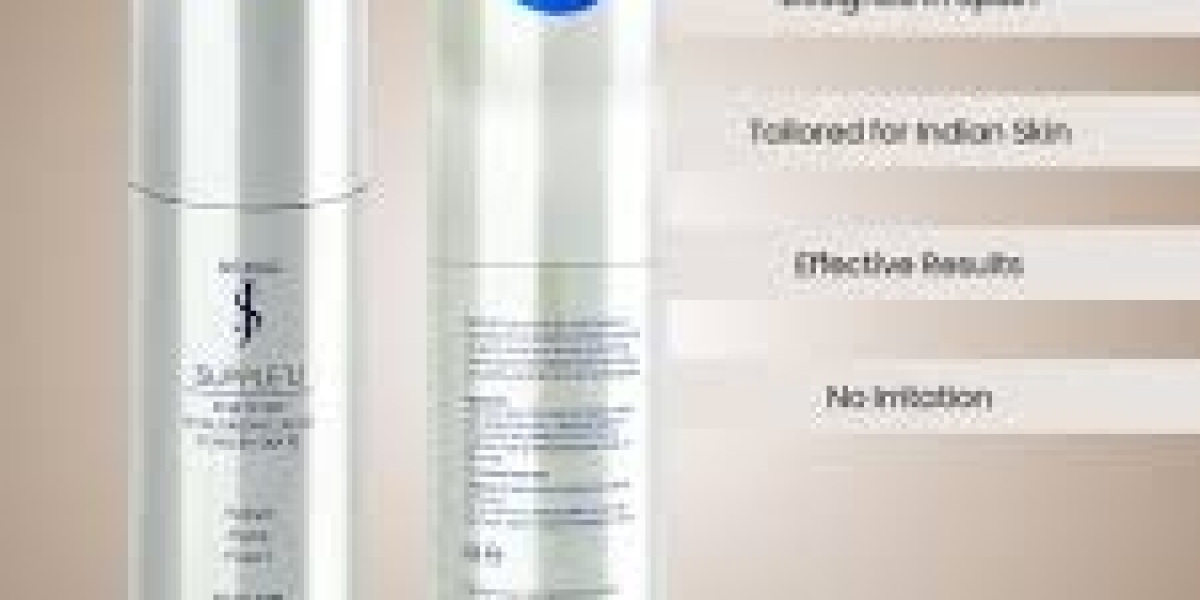

If you have oily skin, you already know the daily struggle — excess shine, enlarged pores, frequent breakouts, and makeup sliding off within hours. Now add sunscreen into the mix, and it can feel even heavier. Many traditional sunscreens leave a sticky, greasy layer that makes oily skin worse. That is why choosing the right non greasy sunscreen for oily skin is essential for maintaining protection without clogging pores or increasing shine.
Sunscreen is not optional — especially in India’s hot, humid climate where UV exposure is intense year-round. The key lies in selecting a formula that protects effectively while keeping the skin matte and breathable.
Why Sunscreen Is Essential — Even for Oily Skin
Some people with oily or acne-prone skin skip sunscreen because they fear breakouts. However, sun exposure can actually worsen skin problems.
Without sunscreen, skin may experience:
Increased pigmentation
Acne dark spots
Premature aging
Collagen breakdown
Enlarged pores
Increased oil production
UV rays stimulate oil glands, often making skin even greasier over time.
Daily sun protection helps regulate skin health and prevent long-term damage.
What Makes Sunscreen Greasy?
Traditional sunscreens often contain:
Heavy oils
Thick emollients
Occlusive agents
High silicone content
While these ingredients provide moisture, they may feel heavy on oily skin.
Modern formulations use lightweight, oil-free technology to prevent that greasy feel.
Features to Look for in a Non-Greasy Sunscreen
When choosing sunscreen for oily skin, look for:
Oil-Free Formula
Prevents pore clogging and excess shine.
Matte Finish
Absorbs quickly and controls oil production.
Non-Comedogenic
Won’t clog pores or trigger breakouts.
Lightweight Texture
Feels breathable and comfortable.
Broad-Spectrum Protection
Protects against both UVA and UVB rays.
SPF 30 or higher is recommended for daily use.
Types of Sunscreen Suitable for Oily Skin
Gel-Based Sunscreen
Lightweight and fast-absorbing.
Water-Based Formula
Hydrating without heaviness.
Fluid or Serum Sunscreen
Ultra-light texture ideal for humid climates.
Matte Sunscreen
Controls shine while providing protection.
Choosing the right texture makes a significant difference.
Key Ingredients That Work Well for Oily Skin
Look for beneficial ingredients such as:
Zinc Oxide
Provides physical sun protection without irritation.
Titanium Dioxide
Gentle mineral filter suitable for sensitive skin.
Niacinamide
Helps control oil production.
Silica
Absorbs excess sebum for a matte look.
Hyaluronic Acid (Lightweight)
Provides hydration without greasiness.
Balanced formulations prevent dehydration while controlling shine.
How to Apply Sunscreen Correctly
For effective protection:
Cleanse your face.
Apply moisturizer (lightweight).
Use a coin-sized amount of sunscreen.
Spread evenly across face and neck.
Reapply every 2–3 hours if exposed to sun.
Proper quantity ensures full protection.
Common Mistakes Oily Skin Types Make
Skipping Sunscreen
Increases pigmentation and oil imbalance.
Using Too Little Product
Reduces effectiveness.
Not Reapplying
Protection fades over time.
Choosing Cream-Based Heavy Formulas
May worsen breakouts.
Understanding correct application improves results.
Why Matte Sunscreens Are Ideal for Daily Wear
Matte sunscreens provide:
Oil control
Smooth base for makeup
Shine-free finish
Long-lasting comfort
Sweat resistance
They are particularly suitable for humid cities.
Sunscreen and Acne-Prone Skin
Oily skin is often acne-prone. A suitable sunscreen should:
Be fragrance-free
Be non-comedogenic
Avoid heavy oils
Support skin barrier
Modern formulations protect without triggering breakouts.
The Role of Sunscreen in Preventing Hyperpigmentation
Oily skin types are prone to post-acne marks.
Daily sunscreen:
Prevents dark spot worsening
Protects healing acne scars
Maintains even skin tone
Reduces sun-induced melanin production
Consistent use keeps skin clearer.
Reapplication Tips for Oily Skin
Reapplying sunscreen can feel heavy. Solutions include:
Using sunscreen sprays
Compact powder SPF
Lightweight gel reapplication
Blotting oil before reapplying
Maintaining protection does not have to feel uncomfortable.
Combining Sunscreen with Skincare Routine
Ideal daytime routine for oily skin:
Gentle cleanser
Oil-control serum
Lightweight moisturizer
Sunscreen
Matte primer (optional)
Layering correctly prevents heaviness.
Long-Term Benefits of Daily Sunscreen Use
Consistent application helps:
Reduce premature wrinkles
Maintain collagen
Prevent sunspots
Control excess oil production
Protect skin barrier
Sun protection is the foundation of healthy skin.
Indian Climate and Oily Skin
India’s climate includes:
High UV index
Humidity
Pollution
Heat
These conditions demand lightweight yet effective sun protection that won’t melt off or clog pores.
Choosing the right sunscreen ensures comfort and durability throughout the day.
Conclusion
Finding a non greasy sunscreen for oily skin is essential for maintaining shine-free, protected, and healthy skin. Modern formulations offer broad-spectrum protection without heaviness, allowing oily skin types to enjoy comfort and safety simultaneously.
By choosing a lightweight, oil-free sunscreen and applying it consistently, you can prevent pigmentation, acne scars, and premature aging while maintaining a matte, breathable finish every day.