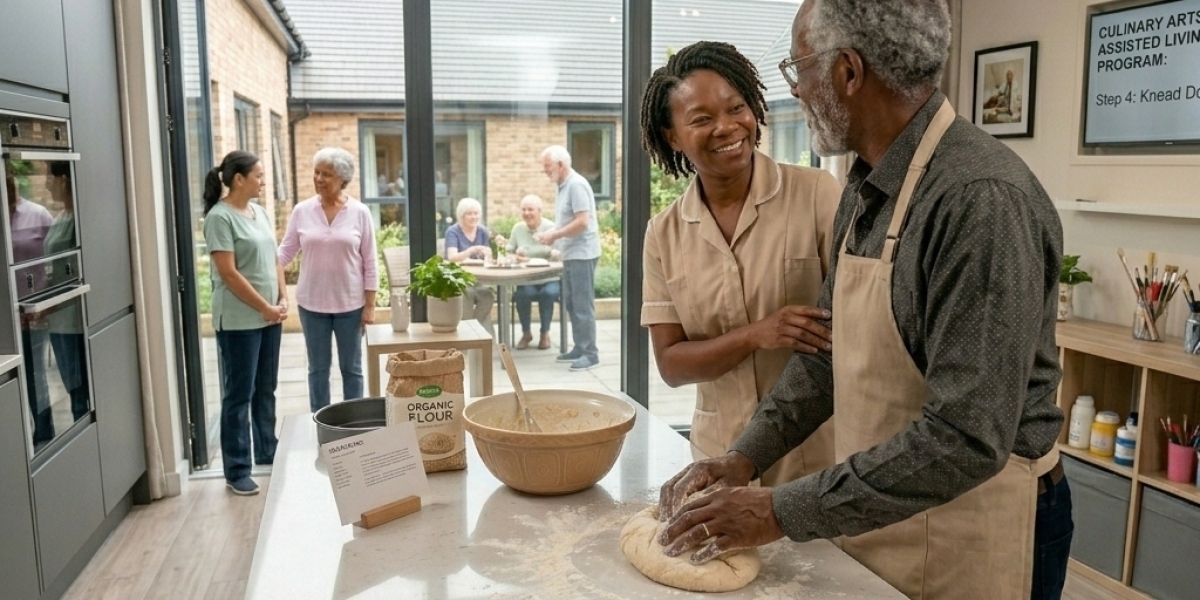

Families often reach a point when living at home no longer feels completely safe, yet full medical care isn’t necessary. This in-between stage can be confusing and emotional, with many questions about what level of support is appropriate. Assisted living was created to fill exactly that space—providing practical support with daily needs while protecting independence, dignity, and quality of life for seniors.
For many families, moving into assisted living isn’t about giving up control—it’s about creating a safer, more supportive environment that allows seniors to continue living comfortably, maintaining routines, hobbies, and meaningful relationships.
The Middle Ground Families Look For
Most seniors want to remain at home as long as possible. Familiar surroundings and cherished belongings provide comfort and emotional security. However, everyday tasks like bathing, cooking, or managing medications can slowly become overwhelming. This is where assisted living communities bridge the gap: they offer help only where it’s needed, rather than taking over a person’s entire life.
Residents maintain their privacy, personal routines, and decision-making power. The difference is that reliable support is always close by, turning stressful or physically challenging days into manageable ones. For families, this creates reassurance—knowing their loved one is supported without feeling institutionalized.
Help With Daily Living—Without Taking Control
At home, small challenges can compound quickly. Missing medications, skipping meals, or avoiding personal hygiene due to fear of falling can escalate into serious health concerns. Assisted living addresses these challenges with respectful, compassionate support.
Caregivers lend a hand while encouraging seniors to do as much as they comfortably can. This approach preserves dignity and independence, allowing residents to remain active participants in their daily routines rather than feeling like patients. By focusing on support rather than replacement, assisted living promotes confidence, self-worth, and emotional well-being.
Safety Built Into Everyday Life
Many homes are not designed with aging in mind. Stairs, slippery bathrooms, loose rugs, and cluttered hallways pose hidden risks. Assisted living communities are thoughtfully designed for safety: grab bars, non-slip flooring, emergency call systems, and trained staff reduce the likelihood of accidents.
Families gain peace of mind knowing that help is available immediately if a problem arises. This sense of security often prevents the cycle of hospital visits that can begin when seniors struggle alone. Residents can move through their day confidently, knowing that support is nearby, yet unobtrusive.
Medication and Health Made Simpler
Managing multiple prescriptions can be challenging, even for younger adults. In assisted living, structured medication support ensures doses are taken correctly and on schedule. Staff can notice changes in appetite, mobility, or mood early on, alerting families before small issues turn into emergencies.
Regular wellness checks, access to healthcare professionals, and routine monitoring allow seniors to remain stable, comfortable, and engaged in their daily activities. This proactive approach to health management is one of the key ways assisted living bridges the gap between home life and clinical care.
Restoring Social Connection
Loneliness is a common concern for older adults living at home, especially after retirement or the loss of a spouse. Assisted living naturally fosters social connection. Residents share meals, participate in group activities, and interact with neighbors just a few steps away.
These interactions are more than entertainment—they are essential to mental and emotional health. Consistent social engagement can improve mood, reduce stress, and even support cognitive function. Many residents rediscover their enthusiasm for hobbies, community involvement, and learning when surrounded by peers in a supportive setting.
Relief for Family Caregivers
Adult children often juggle work, parenting, and caregiving responsibilities simultaneously. The demands of caring for a parent at home can be exhausting, stressful, and emotionally taxing. Assisted living lifts that burden by providing daily support.
Families can step out of the full-time caregiver role and return to being children, spouses, or friends, rather than managers of medical or household tasks. Visits become joyful moments of connection instead of stressful obligations. The relief families feel allows them to foster stronger, more positive relationships with their loved ones.
Nutrition and Daily Wellness
Eating well is critical to maintaining health in older adulthood. Cooking for one can feel overwhelming, leading to skipped meals or reliance on convenience foods. Assisted living provides balanced meals designed to meet seniors’ nutritional needs.
Hydration reminders, meal planning, and community dining encourage regular eating habits. Exercise programs and wellness activities—gentle stretching, yoga, or light walking groups—help seniors stay active without feeling like they are in a clinical environment. These lifestyle supports often lead to increased energy, better sleep, and improved mood.
Respecting Independence
A common fear is that assisted living will be restrictive or controlling. In reality, residents choose how to spend their days. Assistance is offered when requested, not forced. This respect for personal choice is at the heart of what bridges home life and professional care.
Seniors can continue hobbies, enjoy private time, and participate in community activities while knowing that help is available if circumstances change. The autonomy provided by assisted living fosters confidence and encourages residents to remain engaged and independent.
A Flexible Level of Support
Needs rarely remain static. Assisted living adapts as residents’ requirements change, increasing or decreasing support as appropriate. This flexibility prevents sudden or disruptive moves and allows seniors to remain in familiar surroundings while still receiving the care they need.
Whether it’s temporary support during recovery, help during illness, or daily assistance as mobility changes, assisted living adjusts to provide a customized level of care—without sacrificing comfort or privacy.
Peace of Mind for Everyone
Ultimately, assisted living creates balance. It preserves the comforts of home—privacy, personal belongings, familiar routines—while surrounding residents with professional care and community support. Seniors receive just the right amount of help to feel safe, secure, and independent.
For families seeking that middle ground, assisted living becomes the bridge connecting independence with security. At Riverwood Retirement, this balance is at the core of everyday life, helping seniors move forward with confidence, comfort, and dignity while receiving the support they truly need.