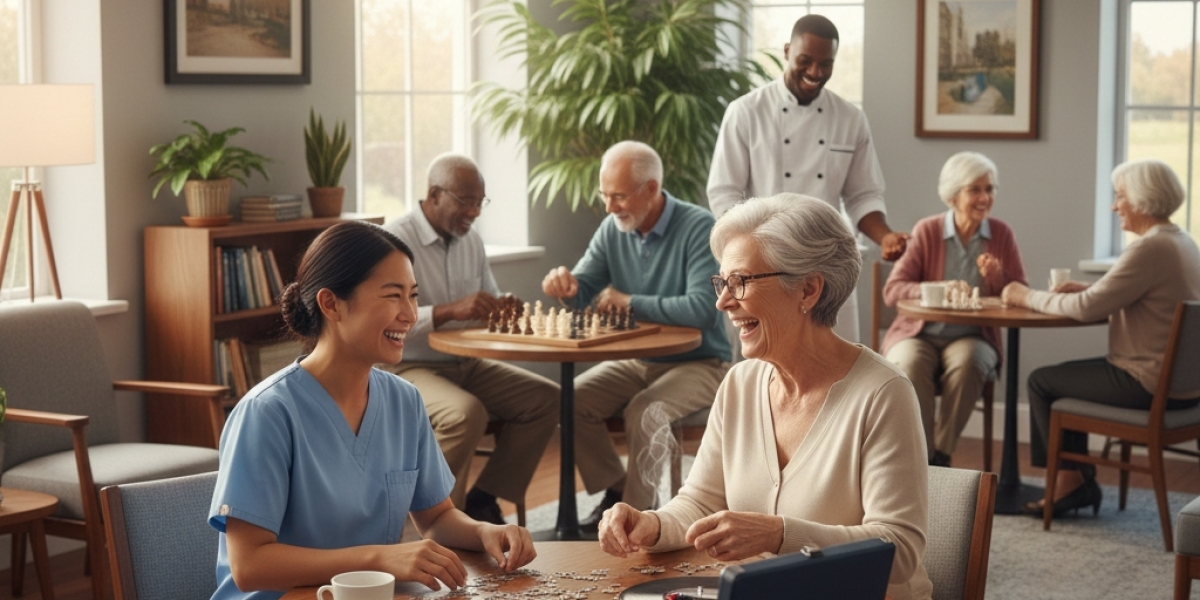

Health rarely fails all at once. More often it fades slowly—one skipped meal, one forgotten pill, one lonely week at a time. Assisted living exists to stop that quiet slide. By providing structure, nutrition, and respectful support, it protects seniors from the chain reaction that can turn small difficulties into major medical crises.
Small Problems, Big Consequences
At home, everyday tasks can become surprisingly hard. Cooking feels exhausting. Prescriptions become confusing. Showers feel risky. None of these challenges seem dramatic, yet together they steadily weaken the body.
Assisted living addresses these ordinary details before they create emergencies. Prevention happens through routine, not through dramatic intervention.
Nutrition as the Foundation of Health
Many seniors living alone do not eat well—not because they do not care, but because cooking for one is discouraging. Assisted living restores balanced meals with proper protein, vegetables, and hydration.
Regular nutrition strengthens immunity, supports muscle, and stabilizes energy levels. Something as simple as eating well every day can prevent hospital visits later.
Medication Managed Correctly
Modern seniors often manage five, ten, or more prescriptions. Mistakes are easy and dangerous. Assisted living provides organized medication assistance so doses are taken correctly and on time.
This single service prevents countless falls, dizzy spells, and complications that commonly send older adults to emergency rooms.
Fall Prevention Built Into Daily Life
Most homes were never designed for aging bodies. Poor lighting, slippery bathrooms, and stairs create hidden hazards. Assisted living environments are intentionally safer, and staff members are available to help with mobility.
Avoiding one serious fall can preserve years of independence and mobility.
Watching for Early Warning Signs
Because caregivers interact with residents daily, they notice subtle changes: a quieter mood, slower walking, reduced appetite. These signals allow families and doctors to respond early.
Early attention is far easier than repairing damage after a crisis.
Encouraging Movement and Strength
Exercise is medicine for aging bodies, yet many seniors stop moving when they live alone. Assisted living offers gentle fitness classes, walking groups, and daily opportunities to stay active.
Regular movement improves balance, reduces pain, and keeps hearts and lungs healthier.
Protecting Emotional Well-Being
Loneliness directly affects physical health. Depression weakens immunity and motivation. Assisted living surrounds seniors with conversation, purpose, and routine—powerful tools for emotional stability.
Managing Chronic Conditions
Illnesses like diabetes, arthritis, and heart disease require consistency. Communities provide structured diets, reminders, and monitoring that keep these conditions stable rather than spiraling out of control.
Personal Care With Dignity
Assistance with bathing, grooming, and dressing prevents infections and skin problems. When delivered respectfully, this help supports both health and self-esteem.
Reliable Access to Medical Care
Transportation and coordination ensure appointments are not missed. Communication between caregivers and physicians creates continuity that is difficult to achieve at home.
Breaking the Hospital Cycle
Many seniors move from hospital to home and back again because no one is overseeing daily habits. Assisted living acts as a protective buffer, dramatically reducing readmissions.
Keeping the Mind Active
Games, discussions, music, and social interaction stimulate thinking and memory. Cognitive engagement is another form of prevention, protecting mental sharpness.
Relief for Families
When professionals handle daily needs, relatives are no longer constant crisis managers. Reduced family stress improves the senior’s emotional environment as well.
A Philosophy of Prevention
The guiding idea is simple: address challenges early, gently, and consistently so decline never gains momentum. Health is protected through ordinary daily care.
Independence, Not Dependence
Assistance is targeted only where needed. Seniors continue choosing their schedules and interests, preserving identity while receiving support.
Better Days, Not Just Safer Days
When meals are regular, medications organized, and companionship present, seniors sleep better, feel stronger, and experience more joy. These are real measures of health.
Conclusion
Assisted living plays a powerful role in preventing decline by caring for the everyday details that matter most. Through nutrition, safety, medication support, and social connection, it helps older adults maintain stability rather than reacting to emergencies.
Regency Retirement Jackson approaches assisted living with this preventive focus, helping seniors protect their well-being while continuing to live meaningful, confident, and independent lives.