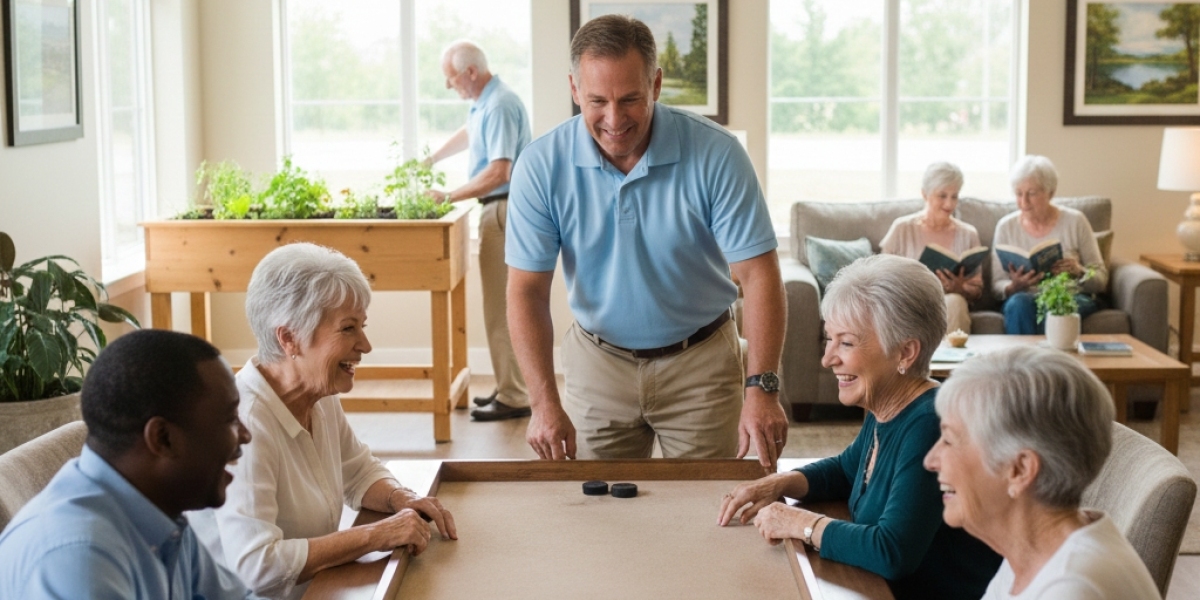

Many families expect senior living to provide safety. They are often surprised when it also improves health, mood, and energy. Environment shapes well-being more than most people realize.
The transformation often catches families off guard. A parent who seemed to be declining at home suddenly stands taller, laughs more, and engages with life again. This isn't coincidence—it's the result of dozens of small supportive factors working together to reverse patterns of gradual decline.
Nutrition Becomes Consistent
Cooking for one often leads to poor diets. Community dining provides protein for muscle, vegetables for immunity, and regular hydration. Stronger bodies mean fewer illnesses.
Living alone, many seniors skip meals, rely on processed convenience foods, or eat the same limited items repeatedly. Depression, arthritis, and simple fatigue make cooking feel overwhelming. Senior living dining rooms serve varied, nutritious meals prepared by professionals who understand dietary needs for aging bodies. Protein supports muscle maintenance. Fiber aids digestion. Calcium protects bones. These aren't just meals—they're medicine.
The social aspect of dining matters too. People eat more when sharing meals with others. Conversation extends dining time, allowing better digestion. The gentle peer pressure of communal eating ensures that residents finish their meals rather than picking at food alone in front of television.
Movement Returns to Daily Life
Fitness classes, walking groups, and simple hallway strolls keep joints working and balance steady. Bodies deteriorate quickly with inactivity, but movement doesn't require a gym membership or special equipment.
Senior living communities build activity into the day's natural rhythm. Walking to meals provides steps. Chair yoga happens mid-morning. Afternoon gardening club offers gentle stretching. Evening social hour means walking to the community room. These small movements accumulate into significant physical benefits without feeling like "exercise."
Research consistently shows that regular movement—even gentle movement—prevents falls, maintains independence, and extends healthy lifespan. Senior living makes this movement social and enjoyable rather than a solitary chore requiring willpower.
Medications Taken Correctly
Professional reminders prevent the dizziness and confusion caused by missed doses. Many seniors manage multiple prescriptions with different schedules. Mistakes are common and dangerous. Staff coordination ensures medications are taken correctly and on time, dramatically reducing hospitalizations from preventable errors.
The complexity of modern medication regimens can overwhelm even cognitively healthy seniors. Morning pills, evening pills, pills with food, pills on empty stomach, pills twice daily—the combinations create genuine confusion. Professional oversight eliminates this dangerous guesswork.
Problems Caught Early
Staff notice small changes—swelling, fatigue, sadness—and act before emergencies develop. A family member visiting weekly might not notice gradual weight loss or increasing confusion. Staff who see residents daily spot subtle shifts immediately and alert medical professionals before minor issues become crises.
This early intervention prevents the emergency room visits and hospitalizations that often mark the beginning of serious decline. A urinary tract infection caught early requires simple antibiotics. Left unnoticed, it can cause delirium, falls, and hospitalization.
Emotional Health Improves
Conversation and belonging reduce depression more effectively than medication alone. Isolation is one of the greatest health risks for older adults, linked to cognitive decline, cardiovascular disease, and early mortality. Daily social interaction isn't a luxury—it's essential healthcare.
Human beings are social creatures at every age. When days consist of solitary meals, silent afternoons, and television evenings, depression settles in quietly. Senior living reverses this pattern through dozens of small daily interactions that add up to genuine connection and renewed purpose.
Better Sleep Patterns
Active days and reduced anxiety create restful nights. When days lack structure and purpose, sleep often deteriorates. Physical activity, mental engagement, and reduced worry about home maintenance all contribute to deeper, more restorative sleep.
Quality sleep supports immune function, cognitive health, and emotional stability. The regular rhythms of senior living—activity during the day, quiet evenings, consistent bedtimes—restore natural sleep cycles that living alone often disrupts.
Less Stress, More Energy
Without bills and repairs, mental load lightens. The cognitive burden of managing a household—remembering appointments, paying utilities, scheduling maintenance—exhausts mental resources. Eliminating these stressors frees energy for enjoyment and connection.
Chronic stress accelerates aging and suppresses immune function. The relief of releasing household responsibilities allows residents to redirect that mental energy toward activities that bring joy rather than anxiety.
Cognitive Engagement
Games, music, and learning protect memory and attention. Brain health requires stimulation. Senior living provides puzzles, discussion groups, current events talks, and creative activities that keep minds sharp.
"Use it or lose it" applies powerfully to cognitive function. Communities that offer varied mental challenges—from bridge tournaments to lecture series—give residents reasons to think, remember, and engage intellectually.
Stronger Family Bonds
Relatives enjoy being family again rather than caregivers. When adult children aren't exhausted from caregiving duties, they can be emotionally present during visits. Relationships improve when the burden of daily care is lifted.
A Whole-Person Approach
Physical and emotional health rise together when basic needs are secure. Senior living recognizes that wellness cannot be separated into isolated components—good nutrition supports mood, social connection improves physical activity, reduced stress enhances sleep.
Confidence Rebuilt
Seniors often stand taller, participate more, and rediscover interests they had abandoned. As health improves, so does self-image and willingness to try new things.
A Preventive Lifestyle
Senior living prevents decline rather than reacting to it. The entire environment is designed to maintain wellness rather than simply respond to illness.
Health improvement is not accidental—it is the result of structure, connection, and attentive care. Regency Huntsville brings these elements together so older adults can experience safer, healthier, and more joyful everyday living.