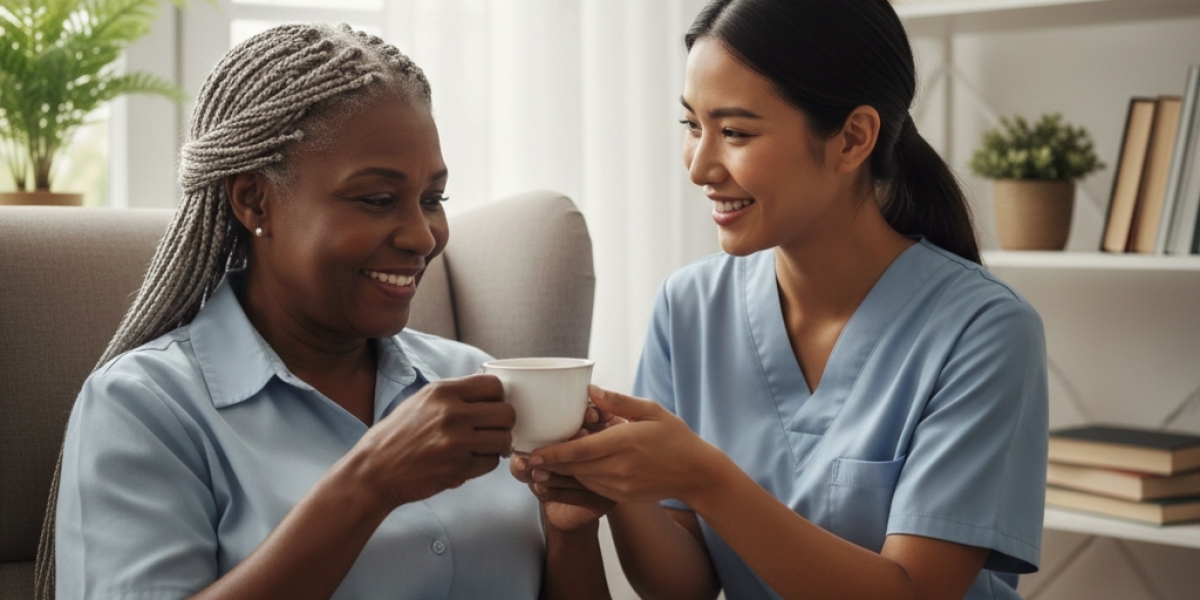

Health decline rarely begins with a major illness. It usually starts with missed meals, poor sleep, or skipped medication. Personal care focuses on these everyday details that quietly determine whether a senior remains strong or slowly weakens. Understanding the preventive power of daily support helps families recognize that personal care isn't about managing crisis—it's about preventing it entirely.
Small Habits, Big Impact
The body depends on routine. When cooking becomes tiring, nutrition suffers. When showers feel risky, hygiene declines. When walking feels uncertain, movement stops. Each change seems minor but together they invite serious problems such as infections, dehydration, and falls.
Consider the cascade effect of skipping meals. Poor nutrition leads to weakness, which increases fall risk, which creates fear of movement, which causes muscle loss, which makes falls more likely. Breaking this cycle requires intervention at the most basic level—ensuring consistent, nutritious meals.
Similarly, avoiding showers due to mobility concerns leads to skin issues, infections, and social withdrawal. The simple act of maintaining hygiene protects against urinary tract infections, skin breakdown, and the psychological damage of feeling unclean. Personal care addresses these foundational needs before they compound into serious medical conditions.
Sleep disturbances create their own problems. Confusion increases, balance worsens, and immune function drops when rest is inadequate. Personal care providers establish bedtime routines, manage medications that affect sleep, and create environments conducive to rest.
Building a Protective Structure
Support creates a gentle framework for the day: assistance with bathing and grooming, safe help with dressing and mobility, reminders for medications, balanced meals and hydration, and light activity to maintain strength. These actions function as daily prevention, much like regular maintenance keeps a car running smoothly.
Morning assistance establishes positive momentum. When the day begins with a refreshing shower, clean clothes, and a nutritious breakfast, seniors feel capable and motivated. This structure prevents the drift into depression and apathy that often accompanies unstructured days filled with struggle.
Meal planning and preparation ensure adequate protein, vitamins, and hydration—the building blocks of immune function and energy. Many seniors living alone survive on tea and toast, lacking the nutrients necessary for healing, strength, and cognitive clarity. Personal care transforms nutrition from an afterthought into a daily priority.
Light exercise and movement, guided by caregivers, maintain the strength necessary for independence. Even simple activities like walking to the mailbox, doing chair exercises, or gardening preserve muscle mass and bone density. Personal care providers encourage and facilitate this essential movement.
Fall Prevention
Falls are the main reason seniors lose independence. Having someone present during transfers, bathing, or nighttime movement dramatically lowers risk. Simple adjustments—proper footwear, cleared pathways, supervised exercises—preserve stability.
The statistics are sobering: one in four Americans over 65 falls each year, and falls are the leading cause of injury-related deaths in this age group. But falls aren't inevitable. Personal care providers identify and address risk factors before accidents occur.
Bathroom safety receives particular attention. Grab bars, non-slip mats, shower chairs, and assistance during bathing eliminate the most common fall scenarios. Nighttime toileting, when confusion and darkness increase risk, becomes safer with caregiver presence and proper lighting.
Footwear matters more than most families realize. Loose slippers, worn soles, and improper fit contribute to countless falls. Personal care includes ensuring seniors wear supportive, properly fitted shoes during waking hours.
Environmental hazards—throw rugs, electrical cords, clutter, poor lighting—are identified and corrected. What seems like a tidy home to visiting family may contain dozens of trip hazards that personal care professionals recognize and address.
Emotional Health Matters
Feeling cared for improves appetite, sleep, and motivation. Regular human connection reduces anxiety and discourages depression. Mental and physical health rise together in ways that surprise many families.
Loneliness kills. Research shows that social isolation affects mortality rates as significantly as smoking or obesity. Personal care provides not just physical assistance but human connection. Conversation during meal preparation, companionship during daily walks, and the simple presence of another person combat the devastating effects of isolation.
Anxiety about safety, finances, or burdening family creates chronic stress that damages health. The reassurance provided by personal care—knowing help is available, that needs will be met—reduces this stress dramatically. Blood pressure drops, sleep improves, and overall wellbeing increases when worry decreases.
Purpose and engagement improve when seniors aren't exhausted from basic self-care. Energy freed from struggling with bathing and cooking can be redirected toward hobbies, social connections, and activities that bring joy. This psychological boost translates into better physical health.
Early Detection of Problems
Trained helpers notice subtle changes: swelling, confusion, weight loss, or shortness of breath. Early attention often avoids emergency rooms and long recoveries.
Personal care providers see seniors daily, unlike family members who may visit weekly or monthly. This consistency allows them to detect gradual changes that might otherwise go unnoticed until they become emergencies. A slight decrease in appetite, mild confusion, or minor swelling can signal serious developing conditions.
Skin changes suggesting dehydration, pressure sores, or infections get early intervention. Mobility changes indicating neurological issues or arthritis progression receive prompt medical attention. Behavioral shifts that might indicate depression, medication side effects, or cognitive decline are recognized and addressed.
This vigilance transforms personal care from simple assistance into a comprehensive health monitoring system. Many hospital admissions are prevented because problems are caught and treated while still manageable.
Support for Families
Relatives can return to being loved ones instead of full-time nurses. Peace of mind allows relationships to heal from stress and resentment that often accompanies family caregiving.
Adult children living far away sleep better knowing their parent receives daily oversight. Those nearby can visit without the burden of handling all care tasks. Phone calls become about sharing news rather than coordinating care crises.
The emotional toll of watching parents decline while feeling helpless lifts when professional support takes over. Guilt about not doing enough diminishes. Family gatherings become enjoyable again rather than stressful care conferences.
A Preventive Choice
Waiting for a crisis is costly both financially and emotionally. Proactive help keeps seniors steadier, longer, and reduces medical complications that drain savings and energy. Personal care is therefore not a last step—it is a shield that protects the ordinary routines on which good health depends.
The investment in daily support pays dividends in avoided hospitalizations, prevented injuries, and extended independence. Quality of life improves immeasurably when basic needs are consistently met with dignity and respect.
Riverwood Retirement emphasizes this preventive approach, helping residents maintain strength and dignity before problems grow larger, creating foundations for healthy, engaged aging.