
If you are curious about what a kimono is, where it comes from, how it is worn, and why it still matters today, this guide covers it all in a simple way.
What Is a Kimono
A kimono is a traditional Japanese robe-like garment with straight seams and a T-shaped structure. It is usually wrapped around the body with the left side over the right side and tied with a wide belt called an obi. The shape is elegant and structured, yet it allows comfort and movement.
The word “kimono” literally means “thing to wear” in Japanese. In earlier times, it was a general term for clothing. Today, it usually refers to the traditional garment.
Kimonos are made in many fabrics, colors, and patterns. Some are simple and plain, while others are richly decorated for weddings, festivals, and formal events.
A Brief History of the Kimono
The kimono has changed over many centuries. Early clothing in Japan was influenced by Chinese dress styles. Later, Japanese makers developed their own style with straight-line cutting and layered dressing.
During the Heian period (794–1185), clothing became more refined and decorative. Layers, colors, and fabric combinations had social meaning. In later periods, the kimono shape became closer to what people know today.
By the Edo period (1603–1868), kimono design had become highly skilled and artistic. Textile dyeing, embroidery, and weaving techniques grew in beauty and detail. At that time, kimonos were worn by many people in daily life, though styles differed by class, age, and occasion.
In modern Japan, Western clothing became common for everyday wear. Even so, kimonos stayed important for special moments such as weddings, tea ceremonies, coming-of-age events, funerals, and seasonal festivals.
Main Parts of a Kimono
To understand a kimono better, it helps to know its basic parts.
The Robe
This is the main garment. It has a straight body shape, long panels, and sleeves attached at the shoulders. The length can be adjusted by folding it at the waist when worn by women.
The Obi
The obi is the wide sash tied around the waist. It helps hold the kimono in place and adds style. Some obi are soft and casual, while others are stiff and formal with elaborate knots.
Undergarments and Layers
Kimonos are usually worn with inner layers, such as a simple under-robe. These layers keep the kimono clean and improve comfort.
Accessories
There are many accessories used with kimono dressing, including cords, collars, socks, and traditional footwear like zori or geta. Each item helps create the finished look.
Types of Kimonos
Not all kimonos are the same. They vary by purpose, season, and formality.
Furisode
This is a formal kimono with long, flowing sleeves. It is often worn by young unmarried women for special occasions, such as coming-of-age ceremonies and weddings (as a guest).
Tomesode
A formal kimono often worn by married women. It usually has patterns below the waist and is used for very formal events.
Houmongi
A semi-formal kimono suitable for parties, gatherings, and visits. It has flowing patterns that cross the seams, creating a polished and elegant look.
Komon
A casual kimono with repeating patterns all over the garment. It is worn for informal outings and social events.
Yukata
A lightweight, casual kimono usually made of cotton. It is common in summer and often worn at festivals, fireworks events, and hot spring inns. Yukata is easier to wear and is often the first style people try.
Kimono Fabrics and Materials
Kimono fabric affects comfort, appearance, and use.
Silk
Silk is one of the most traditional and prized materials for kimonos. It has a soft shine, smooth texture, and rich appearance. Formal kimonos are often made of silk.
Cotton
Cotton is breathable and comfortable, making it a popular choice for yukata. It is easier to care for and works well in warm weather.
Wool and Synthetic Fabrics
Wool kimonos are used in cooler seasons. Synthetic options are also common today because they are more affordable and easier to maintain.
Colors and Patterns in Kimono Design
Kimono design is deeply tied to season, age, and occasion. Patterns are not chosen randomly. Many carry meaning.
Cherry blossoms may represent spring and beauty.
Maple leaves are linked with autumn.
Cranes are often associated with good fortune and long life.
Pine, bamboo, and plum are classic motifs tied to strength and renewal.
Bright colors and bold patterns are often seen on younger women’s formal kimonos. More muted shades are common for older wearers or formal settings. Men’s kimonos are usually simpler in color, often in dark blue, gray, brown, or black.
How a Kimono Is Worn
Wearing a kimono looks easy from a distance, but dressing properly takes practice. The garment must sit neatly, with clean lines and balanced folds.
One important rule is the wrap direction: left side over right side. The reverse style is used only for dressing the deceased in funerary customs, so this detail matters.
The obi is tied at the back in most traditional styles. Different knots are used depending on the formality and the wearer’s age.
Many people learn kimono dressing from family members, schools, or dressing professionals. For weddings and formal events, it is common to have someone help with dressing.
Kimonos in Modern Life
Even though most people in Japan wear Western clothing in daily life, kimonos still have a strong place in modern life.
Special Occasions
Kimonos are worn for weddings, graduations, tea ceremonies, traditional performances, and New Year visits to shrines. They bring a sense of occasion and respect to the event.
Festivals and Travel Experiences
Yukata are widely worn during summer festivals. Many visitors to Japan also rent kimonos or yukata for photos and local experiences in areas such as Kyoto.
Fashion Influence
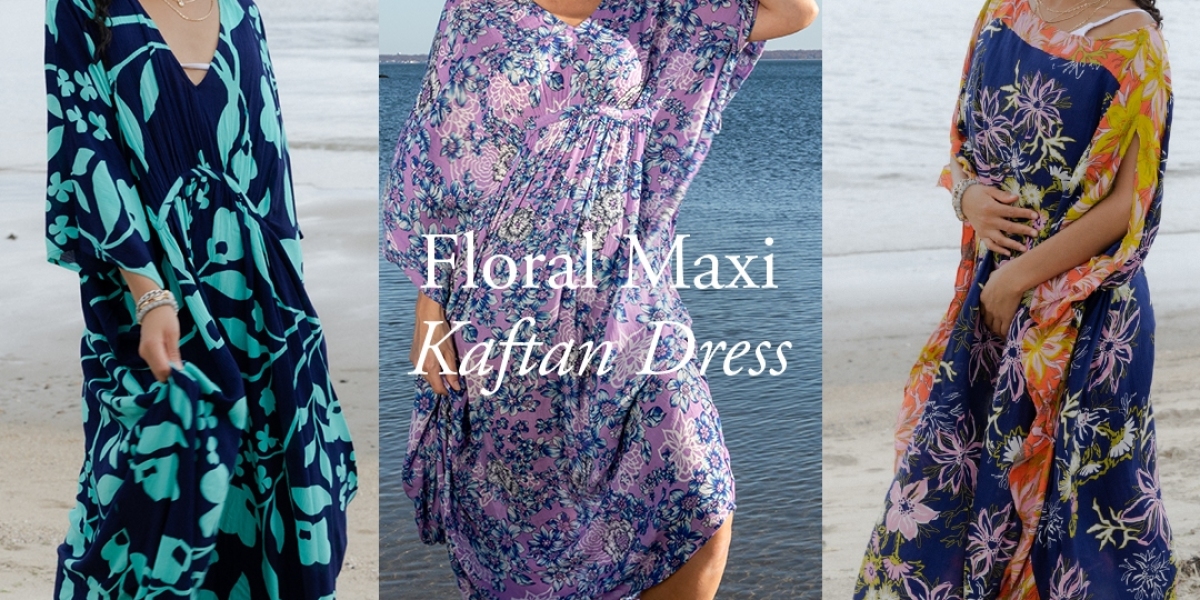
Kimono shapes, sleeves, wraps, and prints have inspired modern fashion for years. Designers around the world have adapted kimono-style jackets, robes, and dresses. These pieces often use the look of the kimono in a more casual or everyday way.
Kimono vs Yukata
People often confuse these two, so here is the easy difference.
A kimono usually refers to the more traditional garment, often layered and worn with formal accessories. It may be made of silk and used for ceremonies or formal events.
A yukata is a lighter, simpler version, usually made of cotton and worn in summer. It is less formal and easier to put on.
If someone is new to Japanese traditional dress, yukata is often the easiest place to start.
How to Care for a Kimono
Kimono care depends on the fabric. Proper care helps preserve shape, color, and stitching.
Storage
Kimonos should be folded neatly along their original seam lines. They are often stored flat in a dry place. Moisture can damage fabric, so good storage matters.
Cleaning
Silk kimonos usually need special cleaning. Washing them at home may cause shrinkage, color bleeding, or damage. Cotton yukata are easier and may be washable depending on the label.
Handling
Avoid perfume, oils, and rough surfaces that may stain or snag the fabric. After wearing, it helps to air the garment before storing.
Why Kimonos Still Matter
Kimonos are not just clothing. They carry history, craft, and identity. Each stitch, pattern, and color choice can reflect a season, a life stage, or a social setting. Skilled artisans still keep traditional weaving, dyeing, and embroidery methods alive through kimono making.
For many people, wearing a kimono is also a way to connect with family traditions and important life events. For others, it is a way to appreciate craftsmanship and timeless style.
Even in modern fashion spaces, the kimono continues to inspire because of its balance of structure and softness. It is simple in shape yet rich in meaning.
Final Thoughts
Kimonos have stayed relevant for centuries because they are much more than a garment. They blend history, beauty, ritual, and personal expression in a way few clothes do. From formal silk kimonos to casual summer yukata, each style has its own purpose and charm.
Whether you are learning for fashion interest, travel, or pure curiosity, understanding kimonos gives a deeper view into Japanese tradition and design. The more you learn about them, the more you notice the thought and care behind every detail.