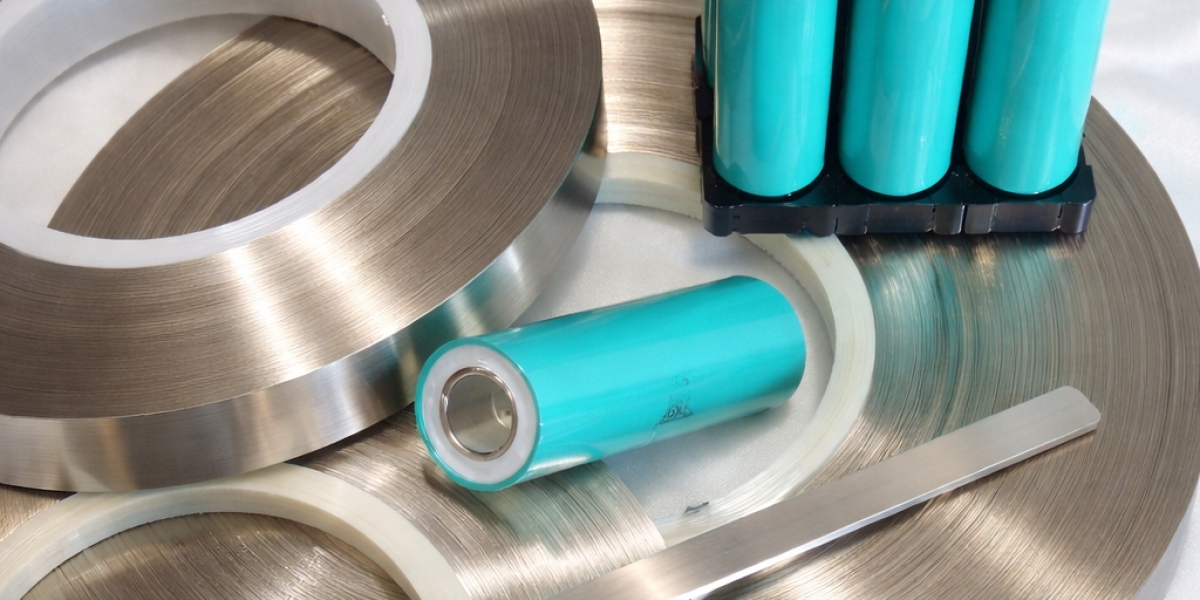

Lithium strip is a thin, flat form of lithium metal that is widely used in energy storage, laboratory research, and industrial manufacturing. Lithium is the lightest metal in the periodic table and is known for its high electrochemical potential and strong reactivity. Because of these unique characteristics, lithium strip plays a major role in modern battery systems and advanced material technologies. As global industries move toward renewable energy and electric mobility, the importance of lithium strip continues to grow rapidly.
Physical Characteristics of Lithium Strip
Lithium strip appears as a soft, silvery-white metal that can be easily cut or shaped. It has an extremely low density of approximately 0.534 g/cm³, making it lighter than most metals. Its melting point is around 180.5°C, which allows easier processing compared to high-melting-point metals. Lithium also provides good electrical conductivity and moderate thermal conductivity. These physical properties make lithium strip highly suitable for lightweight and high-performance applications.
Chemical Properties and Reactivity
Lithium strip is highly reactive and must be handled carefully. When exposed to air, it reacts with oxygen to form lithium oxide. Contact with water produces lithium hydroxide and hydrogen gas, which is flammable. Because of this reactivity, lithium strips are usually stored under mineral oil or in airtight containers. This chemical activity is also what makes lithium extremely useful in electrochemical reactions, particularly in battery technologies.
Production and Processing of Lithium Strip
The production of lithium strip begins with lithium extraction from brine deposits or hard rock minerals like spodumene. After purification, lithium compounds are converted into lithium metal using electrolysis. The purified metal is melted and rolled into thin sheets under controlled, moisture-free conditions. These sheets are then cut into strips of required sizes and thicknesses. Strict quality control ensures uniformity, purity, and reliable performance in industrial applications.
Lithium Strip in Battery Technology
Lithium strip is most commonly used as an anode material in lithium metal batteries. It allows high energy density and efficient charge-discharge cycles. Compared to conventional lithium-ion batteries, lithium metal batteries can store more energy in a smaller and lighter structure. This makes them ideal for electric vehicles, portable electronics, aerospace systems, and renewable energy storage. Continuous research aims to improve lithium strip stability and reduce safety risks such as dendrite formation.
Applications in Scientific Research
In laboratories, lithium strip is widely used in electrochemical experiments and battery testing. Researchers use it as a reference electrode to study new battery chemistries. Lithium strips are also important in developing solid-state batteries, which promise better safety and longer lifespan. These advanced technologies depend heavily on the performance and purity of lithium metal materials.
Industrial and Metallurgical Uses
Lithium strip is used to produce important lithium compounds such as lithium carbonate and lithium hydroxide, which are essential for battery production. In metallurgy, lithium is added to aluminum and magnesium alloys to reduce weight and increase mechanical strength. These lightweight alloys are widely used in aerospace and automotive industries. Lithium also functions as a reducing agent in specific chemical manufacturing processes.
Safety Precautions and Handling Guidelines
Due to its high reactivity, lithium strip must be handled with proper protective equipment including gloves and safety glasses. Work environments must be dry and free from moisture. In case of fire, water must not be used; instead, Class D fire extinguishers are required. Proper storage in sealed containers or under mineral oil prevents oxidation and ensures safe transportation and usage.
Environmental Impact and Sustainability
Lithium extraction has environmental impacts, especially concerning water consumption and land use. As demand increases, sustainable mining and recycling methods are becoming more important. Recycling lithium from used batteries reduces environmental damage and conserves valuable resources. Improved technology is helping industries minimize waste and support sustainable energy development.
Future Prospects of Lithium Strip
The future of lithium strip is closely linked to advancements in clean energy and electric transportation. With the rapid growth of electric vehicles and renewable energy systems, demand for high-performance lithium materials will continue to rise. Innovations in lithium metal battery design aim to increase energy density, improve safety, and extend battery life. Lithium strip will remain a key material in next-generation energy storage technologies.
Conclusion
Lithium strip is a lightweight and highly reactive metal material essential for modern industry and energy storage. Its unique physical and chemical properties make it valuable in batteries, research, and advanced manufacturing. Although careful handling is necessary, its benefits in improving energy efficiency and supporting clean technology are significant. As global technology advances, lithium strip will continue to play a crucial role in powering the future.