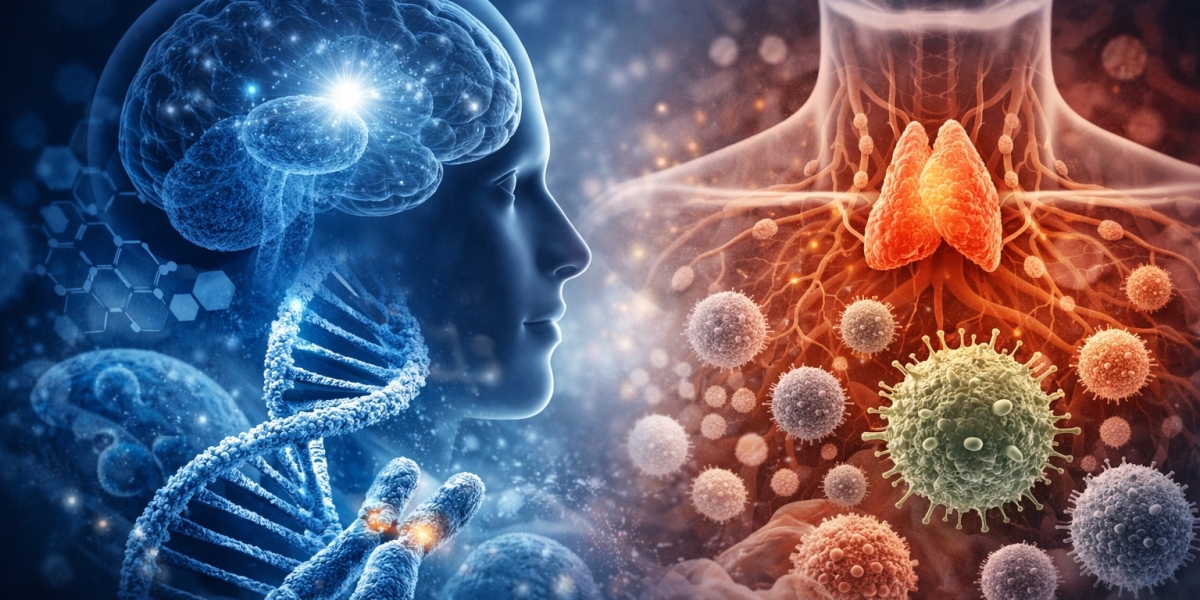

Peptide science has become an important area of modern biological and longevity research. Scientists are increasingly studying regulatory peptides that influence cellular communication, immune function, and endocrine balance. Among these, Epithalon and Thymalin are two well-known peptides frequently discussed in research focused on aging mechanisms and physiological regulation. These compounds are synthetic versions of naturally occurring peptide signals associated with the pineal gland and thymus gland, two organs essential for maintaining internal biological balance.
Understanding how Epithalon and Thymalin function helps researchers explore how cellular aging, immune activity, and hormonal signaling may be connected.
Understanding Regulatory Peptides in Human Biology
Peptides are short chains of amino acids that act as messengers between cells. They regulate many biological processes, including hormone release, immune responses, tissue repair, and gene expression. Unlike larger proteins, peptides can interact with highly specific receptors, making them valuable tools in laboratory research.
Regulatory peptides derived from endocrine glands are especially important because they help coordinate systemic functions such as sleep cycles, immune defense, and cellular maintenance. Epithalon and Thymalin belong to this category and are studied for their potential influence on long-term biological stability.
What Is Epithalon?
Epithalon Peptide is a synthetic tetrapeptide developed based on epithalamin, a natural peptide produced in the pineal gland. The pineal gland plays a central role in regulating circadian rhythms through melatonin secretion. Because circadian rhythm affects sleep, metabolism, and cellular repair cycles, peptides linked to this gland are of strong scientific interest.
Research involving Epithalon has explored several biological areas, including:
Telomere biology: Telomeres protect chromosome ends and shorten as cells divide. Some experimental findings suggest peptide signaling may influence telomerase activity, which is associated with telomere maintenance.
Circadian rhythm regulation: Since Epithalon originates from pineal-related peptides, researchers study its connection to sleep-wake cycle signaling.
Cellular aging processes: Scientists examine how peptide signals may affect gene expression and cellular longevity pathways.
These research directions make Epithalon a relevant subject in studies examining how aging occurs at the molecular level.
What Is Thymalin?
Thymalin is a peptide complex derived from the thymus gland, an organ responsible for developing and regulating immune cells, particularly T-lymphocytes. The thymus is most active during early life and gradually decreases in activity with age, which contributes to changes in immune responsiveness over time.
Scientific investigations involving Thymalin focus on:
Immune system signaling: Researchers study how thymus-derived peptides influence immune cell communication.
T-cell development and regulation: The thymus is essential for immune education, and peptides from this gland help regulate immune responses.
Age-related immune changes: Because immune efficiency declines with age, thymus-related peptides are studied for their potential regulatory role in aging models.
These properties make Thymalin relevant in research examining immune system aging and cellular defense mechanisms.
Epithalon vs Thymalin: Comparing Their Biological Focus
Although Epithalon and Thymalin are often mentioned together, their primary biological targets differ significantly.
Source gland:
Epithalon is associated with the pineal gland.
Thymalin is associated with the thymus gland.
Primary research focus:
Epithalon is studied for circadian rhythm regulation and cellular aging pathways.
Thymalin is studied for immune system regulation and immune cell activity.
Physiological systems involved:
Epithalon is linked to endocrine and neuroendocrine signaling.
Thymalin is linked to immune and lymphatic system signaling.
Because aging affects multiple body systems, studying these peptides separately allows researchers to better understand how endocrine and immune regulation contribute to overall biological aging.
Role of Peptide Research in Longevity Science
Longevity research aims to understand how and why biological aging occurs and how cellular systems maintain stability over time. Regulatory peptides are essential in this research because they directly influence communication between cells and organs.
Scientists study peptides like Epithalon and Thymalin to better understand:
Cellular signaling pathways
Gene expression regulation
Hormonal and immune system interaction
Mechanisms behind age-related functional decline
These insights help researchers build a clearer picture of how internal regulatory systems maintain physiological balance.
Growing Scientific Interest in Epithalon and Thymalin
Advances in biotechnology and molecular biology have made it easier to synthesize and study peptides with precision. This has increased interest in gland-derived regulatory peptides and their influence on biological systems. Researchers continue exploring how peptide signaling affects circadian rhythms, immune communication, and cellular maintenance.
As peptide science evolves, Epithalon and Thymalin remain important subjects in experimental and laboratory research aimed at understanding aging and regulatory biology.
Conclusion
Epithalon and Thymalin are two regulatory peptides associated with the pineal gland and thymus gland, respectively. While Epithalon is primarily studied for its connection to circadian rhythm and cellular aging, Thymalin is closely linked to immune system regulation and thymus-related signaling. Their distinct biological roles make them valuable tools in peptide and longevity research. Continued scientific investigation into these peptides contributes to a deeper understanding of cellular communication, immune balance, and age-related biological processes.