
For many individuals, the dream of a full, thick beard can feel frustratingly out of reach. Patchy beard growth is a common concern, often leaving people searching for a reliable solution. While some may try various grooming techniques or hope for natural improvement over time, others look for a more permanent answer. One option that frequently comes up in these conversations is a beard hair transplant. Beard Hair Transplant in Dubai explores whether this procedure can truly address the challenges of patchy facial hair, explaining the process, who it is for, and what to expect in a friendly, easy-to-understand way.
Understanding Why Beard Hair Is Patchy
Before diving into solutions, it is helpful to understand why facial hair sometimes grows in unevenly. Genetics play the most significant role in determining hair growth patterns. If your father or grandfather had patchy spots, there is a good chance you might too. Hormones, particularly testosterone and its conversion to dihydrotestosterone (DHT), are also crucial. These hormones influence hair follicles, and sensitivity to them can vary across different areas of the face. Sometimes, hair follicles in certain spots are simply less responsive, leading to thinner or absent growth. Other factors like stress or nutritional imbalances can temporarily affect growth, but the underlying pattern is usually set by your genetic blueprint.
The Difference Between Sparse and No Growth
It is important to distinguish between areas with thin, wispy hairs and areas with no visible hair follicles at all. A beard hair transplant works by moving active hair follicles from one part of the body to another. For the procedure to be effective, the recipient area—the patchy parts of the beard—needs to have healthy skin capable of supporting new hair growth. If there are no existing follicles, the transplanted ones can take root. However, if the skin itself has scarring or other issues, it may not be a suitable candidate.
What Is a Beard Hair Transplant?
A beard hair transplant is a medical procedure designed to redistribute hair follicles to areas of the face where growth is lacking or patchy. It is not about creating new hair out of thin air. Instead, it takes hair from a donor site, typically the back or sides of the scalp, where hair is genetically programmed to be more resilient and lifelong. These follicles are then carefully implanted into the patchy areas of the beard. The goal is to achieve a natural-looking result that blends seamlessly with your existing facial hair.
How the Procedure Works
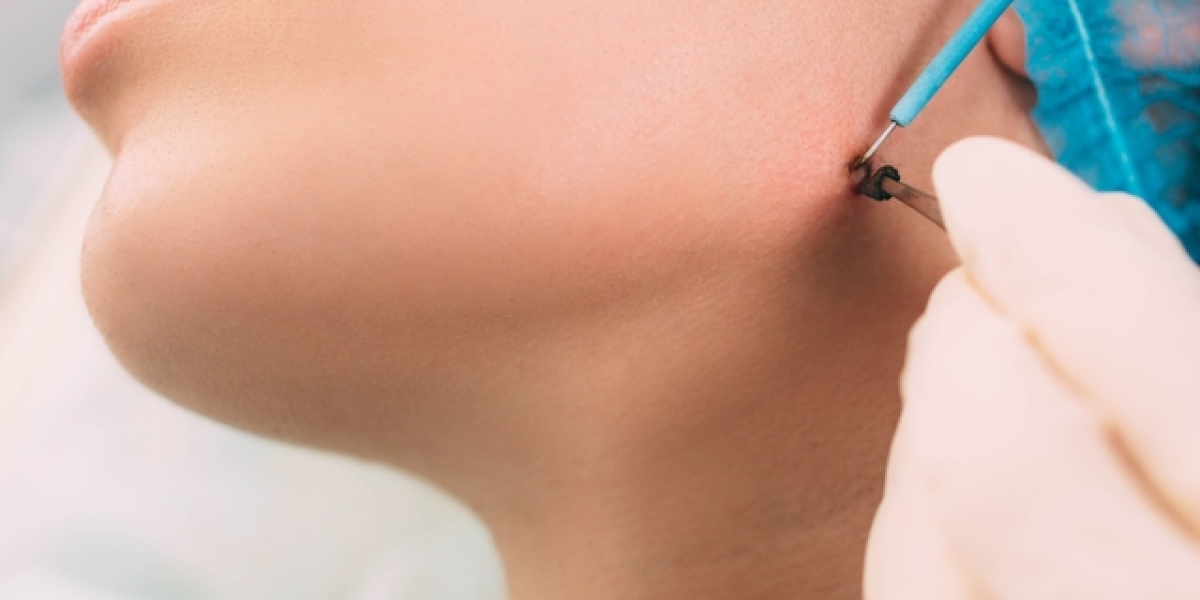
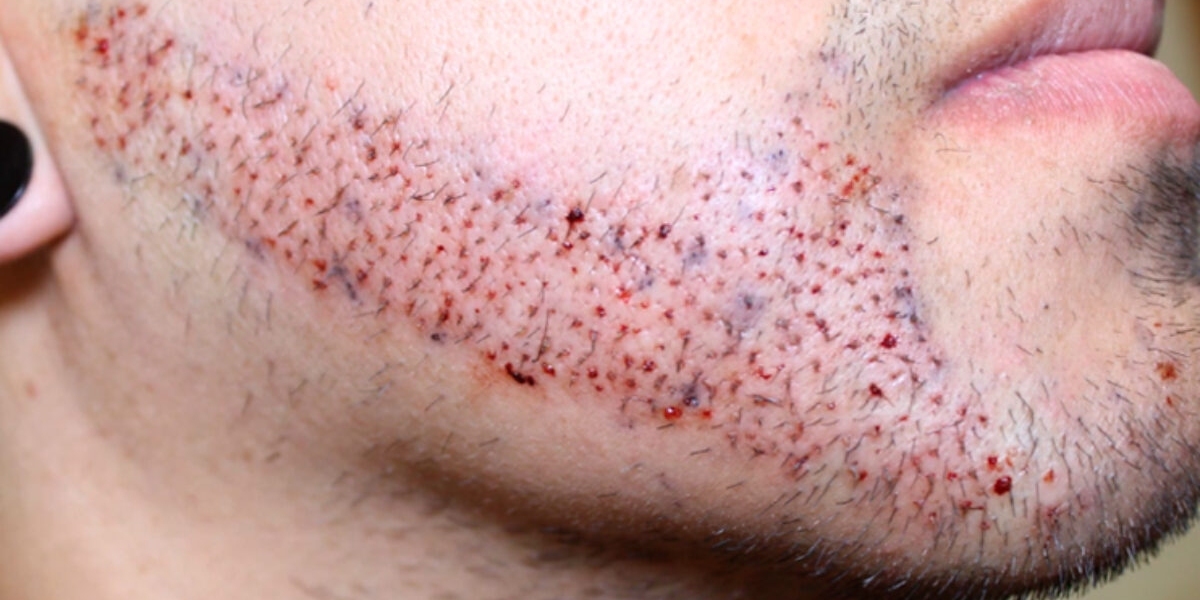
The process begins with a consultation where the individual's facial structure and desired beard style are discussed. This helps in planning the hairline and density. On the day of the procedure, the donor area is prepared, and individual follicular units are extracted. This is a meticulous process that requires precision to ensure the grafts remain healthy. Once enough grafts are collected, tiny incisions are made in the recipient area of the beard. The angle, direction, and depth of these incisions are critical, as they determine how the new hair will grow and look. The extracted follicles are then placed one by one into these incisions.
Who Is a Good Candidate for This Procedure?
Not everyone with patchy facial hair is an ideal candidate. The best candidates are generally individuals in good overall health who have realistic expectations about the outcome. They should have an adequate supply of donor hair, usually from the scalp. The donor hair should also match the texture and curl of the beard hair as closely as possible to ensure a cohesive look. For example, someone with very straight scalp hair may end up with a straighter beard, which can still look very natural. People with certain medical conditions that affect healing or hair growth may need to be evaluated more carefully.
What to Consider Beforehand
It is helpful to have a stable hair loss pattern. If someone is experiencing ongoing hair loss on the scalp, it might affect the long-term availability and appearance of donor hair. Also, patience is key. Hair transplants do not produce instant results. The transplanted hairs will shed within a few weeks, which is a normal part of the process. New growth typically begins to appear after a few months, with full results visible up to a year later.
The Realistic Outcome for Patchy Beards
A beard hair transplant can significantly improve the appearance of patchy beard growth. It can fill in sparse areas, define cheek lines, and create a fuller-looking beard overall. However, it is not a magic wand that creates a completely different hair type. The new hair will behave like the hair from the donor site. If the donor hair is curly, the beard will have curly patches. If it is straight, the beard will be straighter. The procedure works with your body's natural materials to enhance what is already there.
How Natural Will It Look?
When performed with care, the results can look incredibly natural. The technician placing the grafts pays close attention to the natural growth patterns of your existing facial hair. Hairs are implanted at the correct angles to mimic how your beard would naturally grow. This attention to detail is what helps the new hair blend in and avoid an artificial or "plugged" appearance. Over time, as the hair grows and can be trimmed and styled, it becomes even more integrated with your overall look.
Common Questions
Many people have questions about what the experience is like and what the long-term outlook is. Here are some frequently asked questions to provide further clarity.
Will the Transplanted Hair Grow Like Normal Beard Hair?
Yes, once the transplanted follicles have settled and begun to grow, they will act just like normal beard hair. They will need to be shaved, trimmed, and groomed in the same way as the rest of your facial hair. Because the follicles are taken from the scalp, the hair may continue to grow longer than typical beard hair, but regular trimming keeps it in check.
Is the Procedure Painful?
Most individuals tolerate the procedure well. The area is numbed with local anesthesia, so discomfort during the process is minimal. Some people report a slight sensation of pressure or movement. After the anesthesia wears off, there might be some mild soreness in both the donor and recipient areas, similar to a light sunburn, but this usually subsides within a day or two.
How Long Does It Take to See the Final Results?
Patience is essential. Immediately after the procedure, the tiny implanted hairs may be visible, but they will fall out after a few weeks. This is completely normal and allows the follicle to enter a resting phase before beginning to produce new hair. Around the three to four month mark, new growth usually starts to appear. From there, the hair will continue to thicken and grow, with the final, dense result visible approximately twelve to eighteen months after the procedure.
Can I Style My Beard After a Transplant?
Eventually, yes. During the initial healing phase, it is important to be gentle with the newly transplanted area. However, once the grafts are secure and the skin has healed, which typically takes a couple of weeks, you can gradually return to your normal grooming routine. Once the new hair has grown in fully, you can style, trim, and shape your beard just as you would with natural growth.
What Happens to the Donor Area?
The donor area, usually the back of the scalp, heals on its own. The extraction process leaves tiny marks that are not noticeable once the surrounding hair grows back. Since hair is taken in a distributed pattern, the donor area does not look patchy or thin, provided a sufficient density of hair was present to begin with.
In summary, a Enfield Royal Clinic Dubai offers a viable and effective solution for those looking to address patchy beard growth. By relocating healthy hair follicles to sparse areas, it can create a fuller, more defined beard that feels and functions like natural facial hair. While it requires a commitment of time for healing and growth, the potential for a permanent improvement makes it an option worth considering for anyone who has always wanted a more complete beard.