
Introduction
When breathing problems start, many people think it’s “just the flu.” But sometimes, breathing trouble can quickly turn serious. In Fort Worth, fast access to emergency services can make the difference between a simple recovery and a life-threatening crisis.
This guide explains, in easy words, how to recognize dangerous respiratory distress, when to seek help in Fort worth, and how local hospitals respond quickly to protect patients of all ages.
What Is Respiratory Distress?
Respiratory distress means the body is struggling to get enough oxygen. It can happen because of:
Severe flu
Pneumonia
Asthma attacks
COVID or other viral infections
Allergic reactions
Lung infections
Heart problems
Breathing is automatic. When it becomes hard, fast, painful, or noisy, it is a warning sign.
Why “Just the Flu” Can Be Dangerous
Most flu cases are mild. However, complications can develop quickly, especially in:
Children
Seniors
Pregnant women
People with asthma or COPD
People with weak immune systems
Heart disease patients
Flu vs. Severe Respiratory Distress
| Mild Flu Symptoms | Dangerous Warning Signs |
|---|---|
| Fever | Trouble breathing |
| Body aches | Chest pulling inward when breathing |
| Cough | Lips or face turning blue |
| Tiredness | Confusion or extreme sleepiness |
| Sore throat | Very fast breathing |
If breathing becomes difficult, it is no longer “just flu.”
7 Early Warning Signs of Dangerous Breathing Problems
1. Fast Breathing
If someone is breathing much faster than normal—even at rest—it may signal oxygen problems.
2. Chest Retractions
When skin pulls in between ribs or under the neck during breathing, it means the body is working too hard.
3. Wheezing or Noisy Breathing
High-pitched sounds may indicate airway blockage.
4. Blue Lips or Fingertips
This is a sign of low oxygen and needs immediate attention.
5. Severe Cough with Chest Pain
Pain while breathing or coughing deeply can signal pneumonia or lung infection.
6. Extreme Fatigue
If a person is too weak to speak full sentences, this can mean oxygen levels are low.
7. Confusion or Dizziness
Low oxygen affects the brain quickly.
Respiratory Emergencies in Children
Children can worsen faster than adults.
Watch for:
Flaring nostrils
Grunting sounds
Refusing to eat or drink
Crying without tears (dehydration)
Unusual sleepiness
Parents in Fort worth should not wait if these signs appear.
Respiratory Emergencies in Adults
Adults often ignore symptoms. This delay can be dangerous.
Seek immediate care if you notice:
Sudden shortness of breath
Chest pressure
Coughing up blood
Severe asthma attack not responding to inhaler
High fever with breathing difficulty
Common Causes of Severe Breathing Distress
Pneumonia
An infection that fills air sacs with fluid.
Symptoms:
Fever
Sharp chest pain
Thick mucus cough
Difficulty breathing
Asthma Attack
Airways narrow suddenly.
Symptoms:
Tight chest
Wheezing
Shortness of breath
COVID or Viral Infections
Can cause lung inflammation.
Symptoms:
Persistent cough
Oxygen drop
Severe fatigue
Allergic Reactions (Anaphylaxis)
Airways swell quickly.
Symptoms:
Swelling of throat
Hives
Trouble swallowing
Sudden breathing difficulty
This requires immediate ER care.
How ER Teams in Fort worth Respond
When a patient arrives with breathing distress, medical teams act fast.
Step 1: Immediate Assessment
Oxygen level check
Heart rate monitoring
Blood pressure reading
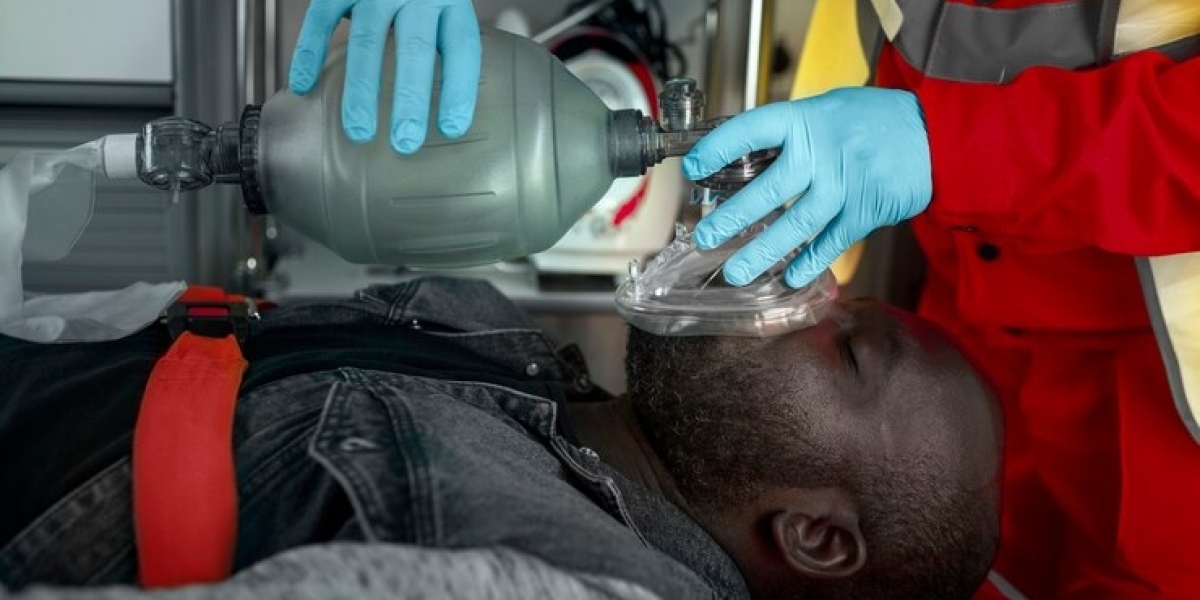
Step 2: Oxygen Support
Depending on severity:
Nasal oxygen tube
Oxygen mask
High-flow oxygen
Ventilator (if critical)
Step 3: Diagnostic Testing
Chest X-ray
Blood tests
EKG
CT scan if needed
Step 4: Targeted Treatment
Antibiotics for pneumonia
Steroids for inflammation
Nebulizer treatments
IV fluids
Emergency medications
Time matters. Early treatment prevents complications.
Why Acting Fast Matters
Delayed care can lead to:
Respiratory failure
Brain damage from low oxygen
Sepsis
Cardiac arrest
Long hospital stays
Early intervention improves survival rates dramatically.
High-Risk Groups in Fort worth
Respiratory cases often rise during:
Winter flu season
Allergy season
Sudden weather changes
Viral outbreaks
People at highest risk include:
Seniors over 65
Children under 5
Asthma patients
Smokers
Individuals with chronic lung disease
When to Call 911 vs. Driving to ER
Call 911 If:
Person cannot speak
Lips are blue
They collapse
Severe chest pain occurs
Breathing stops
Go Directly to ER If:
Breathing is worsening
High fever with shortness of breath
Oxygen levels are dropping
Asthma inhaler is not helping
Preventing Severe Respiratory Illness
Prevention reduces emergency visits.
Simple Steps:
Get flu vaccination
Wash hands regularly
Avoid close contact with sick individuals
Manage asthma properly
Quit smoking
Keep indoor air clean
Stay hydrated
The Role of Oxygen Monitoring
Pulse oximeters measure oxygen levels.
Normal: 95%–100%
Concerning: Below 94%
Emergency: Below 90%
If oxygen drops, seek medical attention immediately.
Respiratory Distress and Seniors
Older adults may show different signs:
Confusion instead of cough
Mild fever but severe weakness
Sudden falls
Family members should monitor closely during flu season.
Respiratory Emergencies and Chronic Conditions
People with:
COPD
Heart failure
Diabetes
Obesity
Have higher risk of complications.
They should seek help earlier than others.
How Fast Treatment Saves Lives
Early ER care:
Stabilizes oxygen quickly
Prevents ICU admission
Reduces infection spread
Shortens recovery time
Prevents long-term lung damage
What to Expect During an ER Visit in Fort worth
Patients may experience:
Quick triage assessment
Continuous monitoring
IV placement
Breathing treatments
Observation for several hours
The goal is stabilization and safe discharge—or admission if necessary.
Aftercare and Recovery
Once discharged:
Take medications exactly as prescribed
Rest adequately
Follow up with primary care doctor
Avoid strenuous activity
Monitor breathing daily
If symptoms return, seek help immediately.
FAQs
1. How do I know if breathing trouble is serious?
If breathing is fast, painful, noisy, or causing blue lips or confusion, it is serious.
2. Can the flu really cause breathing failure?
Yes. Flu can lead to pneumonia and severe lung inflammation.
3. What oxygen level is dangerous?
Below 90% is considered an emergency.
4. Should I wait to see if symptoms improve?
No. If breathing worsens, seek care immediately.
5. Are children at higher risk?
Yes. Their airways are smaller, and they can worsen quickly.
6. Can asthma become life-threatening?
Yes. Severe asthma attacks require emergency treatment.
7. Is chest pain always related to the heart?
Not always. It can also indicate lung infection or inflammation.
8. What time of year is respiratory distress most common in Fort worth?
Winter and early spring typically see more cases.
Conclusion
Breathing problems should never be ignored. What starts as mild flu symptoms can quickly become a serious emergency. Knowing the warning signs helps you act fast and protect your loved ones.
In Fort worth, quick response and early treatment improve survival and reduce complications. When in doubt, seek medical attention. It is always better to be safe than sorry.
For more information visit https://eroffortworthtx.com/emergency-services/