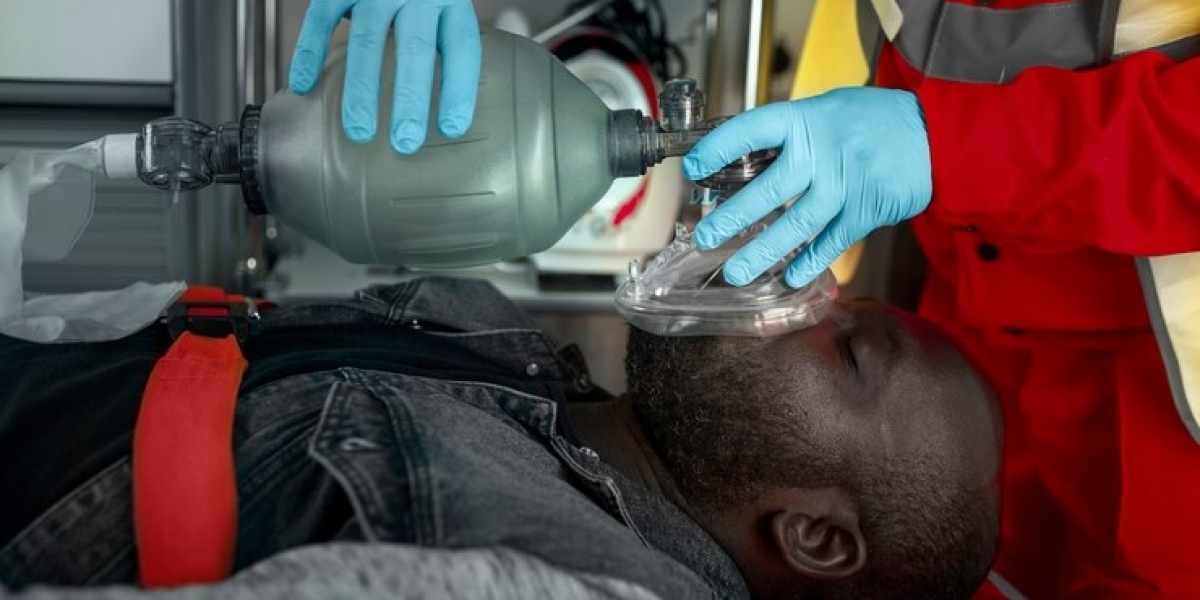

When people think about medical crises, they often imagine obvious situations like broken bones, heavy bleeding, or chest pain. But many serious health problems do not look dramatic at first. Some start with mild symptoms that are easy to ignore. That’s why access to reliable emergency services in Fort worth is so important. Quick action can make the difference between fast recovery and long-term complications.
At ER of Fort Worth, trained medical professionals understand that not every emergency looks like one. They focus on identifying atypical emergencies — conditions that present unusual or subtle warning signs. In this guide, we explain how to recognize these hidden dangers, when to seek help, and why fast care matters.
What Are Atypical Emergencies?
An atypical emergency is a serious medical condition that does not show classic or well-known symptoms.
Simple Definition:
A dangerous health issue
Symptoms are unusual, mild, or confusing
Can quickly become life-threatening
Common Examples:
A heart attack without chest pain
Stroke without facial drooping
Severe infection without high fever
Internal bleeding without visible injury
Because symptoms are different from what most people expect, many patients delay seeking care.
Why Early Detection Saves Lives
Emergency medicine works best when treatment starts early.
Benefits of Fast Action:
Prevents organ damage
Reduces hospital stay
Improves survival rate
Lowers treatment costs
Protects long-term health
In Fort worth, quick access to emergency care allows doctors to perform rapid tests like:
CT scans
Ultrasound imaging
Blood tests
Cardiac monitoring
Early diagnosis leads to immediate treatment.
Atypical Heart Emergencies
Many people think heart attacks always cause crushing chest pain. That is not always true.
Unusual Heart Attack Symptoms:
Shortness of breath
Sudden fatigue
Nausea or vomiting
Jaw, neck, or back pain
Mild pressure instead of severe pain
Lightheadedness
These symptoms are more common in:
Women
Older adults
Diabetic patients
When to Go to the ER:
Sudden unexplained weakness
Discomfort lasting more than a few minutes
Symptoms that come and go
Do not wait. Heart damage begins quickly.
Silent Strokes: The Hidden Threat
A stroke can happen without dramatic signs.
Subtle Stroke Symptoms:
Sudden confusion
Vision problems
Mild dizziness
Numbness in one arm
Trouble speaking clearly
Remember FAST:
Face drooping
Arm weakness
Speech difficulty
Time to call emergency care
If any symptom appears suddenly, immediate medical evaluation is necessary.
Hidden Infections and Sepsis
Sepsis is a life-threatening infection that spreads through the bloodstream.
Atypical Signs:
Mild fever or no fever
Rapid breathing
Fast heartbeat
Extreme tiredness
Confusion
In children and elderly patients, symptoms may look like:
Irritability
Sleepiness
Poor appetite
Sepsis can become critical within hours. Early antibiotics and IV fluids save lives.
Abdominal Pain That Signals Danger
Not all stomach pain is simple indigestion.
Warning Signs:
Pain that worsens over time
Pain with vomiting
Fever with abdominal discomfort
Sudden severe pain
Pain spreading to the back
Possible Serious Causes:
Appendicitis
Gallbladder infection
Pancreatitis
Internal bleeding
If pain feels unusual or intense, medical evaluation is important.
Breathing Problems Without Obvious Cause
Shortness of breath can signal multiple emergencies.
Potential Causes:
Blood clot in the lung
Asthma attack
Pneumonia
Heart failure
Allergic reaction
Go to the ER If:
Breathing feels difficult
Lips turn bluish
Chest feels tight
Breathing worsens quickly
Oxygen therapy and fast diagnostics can prevent complications.
Neurological Changes That Should Not Be Ignored
Brain-related emergencies sometimes start subtly.
Early Warning Signs:
Sudden memory confusion
Severe headache “worst ever”
Unusual behavior
Weakness on one side
Seizures
Immediate imaging helps doctors rule out bleeding, stroke, or brain swelling.
Pediatric Atypical Emergencies
Children may not describe symptoms clearly.
Signs Parents Should Watch:
Persistent crying
Refusing food or fluids
Sudden lethargy
High fever not responding to medicine
Breathing difficulty
If something feels “not normal,” trust your instinct.
Elderly Patients and Silent Symptoms
Older adults often show mild symptoms even in serious illness.
Common Atypical Signs:
Confusion
Falls
Weakness
Loss of appetite
Sudden behavior changes
Even minor symptoms can indicate infection, heart issues, or stroke.
When to Choose ER of Fort Worth
Residents of Fort worth benefit from fast, advanced emergency care.
Why Patients Choose ER of Fort Worth:
24/7 availability
Minimal wait times
Advanced imaging
On-site laboratory
Experienced emergency physicians
Comfortable patient-focused environment
Rapid assessment helps identify hidden emergencies early.
What Happens During an ER Visit?
Understanding the process reduces fear.
Step-by-Step:
Quick triage assessment
Vital sign monitoring
Diagnostic tests (if needed)
Immediate treatment
Observation or discharge instructions
Every patient is evaluated carefully, especially when symptoms are unclear.
How to Decide: ER or Wait?
Go Immediately If:
Symptoms start suddenly
Pain is severe
Breathing is difficult
Confusion appears
Symptoms worsen quickly
Monitor at Home If:
Mild symptoms improve
No red flags appear
You can eat, drink, and function normally
When unsure, seeking evaluation is safer than waiting.
Frequently Asked Questions (FAQs)
1. What is an atypical emergency?
A serious medical condition that shows unusual or mild symptoms instead of classic warning signs.
2. Can mild symptoms still be dangerous?
Yes. Some life-threatening conditions begin with subtle signs.
3. Should I visit the ER for dizziness?
If dizziness is sudden, severe, or paired with weakness or confusion, seek immediate care.
4. Do children show different emergency signs?
Yes. They may show irritability, sleepiness, or poor feeding instead of clear symptoms.
5. Is it better to wait and see?
If symptoms are worsening or unexplained, immediate evaluation is safer.
6. How fast should stroke symptoms be treated?
Within minutes. Early treatment prevents permanent brain damage.
7. What if tests come back normal?
That is positive news. It means serious conditions were ruled out.
Final Thoughts
Not all emergencies look dramatic. Many serious conditions start quietly. In Fort worth, recognizing subtle symptoms and seeking fast medical evaluation can protect your health and your family’s future.
ER of Fort Worth leads fast care by identifying hidden emergencies early, using advanced diagnostics, and providing compassionate treatment 24/7. When symptoms feel unusual or concerning, quick action matters.
For more information visit https://eroffortworthtx.com/emergency-services/