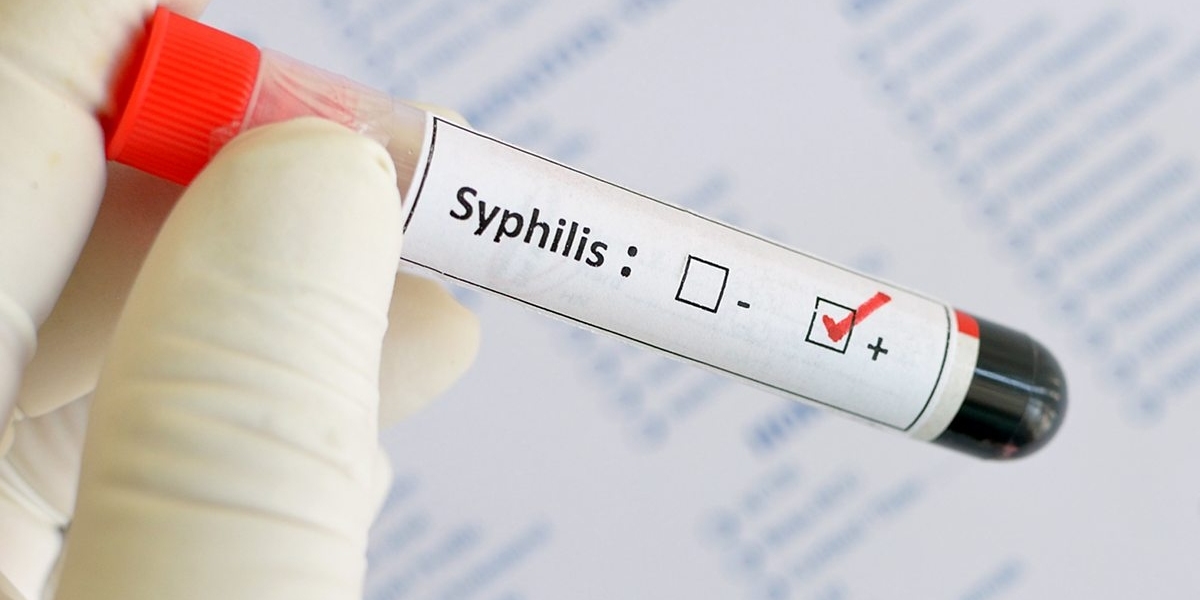

Syphilis remains one of the most concerning sexually transmitted infections (STIs) worldwide—not because it is untreatable, but because it often goes undetected. Many people associate syphilis with obvious symptoms, yet the infection can silently progress for months or even years. That’s why understanding who should consider syphilis screening is essential. Recognizing key risk factors and taking proactive steps toward Syphilis Screening in Dubai can prevent serious long-term health complications.
Why Risk Awareness Matters in Syphilis Prevention?
Syphilis is caused by the bacterium Treponema pallidum and spreads primarily through vaginal, anal, or oral sexual contact. It can also be transmitted from a pregnant person to their baby, leading to congenital syphilis. Because early symptoms—such as a painless sore or mild rash—may resolve without treatment, many individuals assume the infection has cleared. In reality, untreated syphilis can enter a latent stage and later progress to severe complications, including neurosyphilis, cardiovascular damage, and organ failure.
Routine STI screening identifies the infection during its early stages, when antibiotic treatment is simple and highly effective. Understanding your personal risk factors is the first step toward deciding whether syphilis screening should be part of your regular healthcare routine.
Individuals With Multiple or New Sexual Partners:
One of the most significant risk factors for syphilis is having multiple sexual partners. The more partners you have, the greater the likelihood of exposure to sexually transmitted infections. Even if you consistently use protection, condoms do not fully eliminate the risk of transmission, especially if a sore is located outside the protected area.
Starting a relationship with a new partner is also a critical time to consider STD screening. If neither partner knows their current STI status, testing provides clarity and peace of mind. Comprehensive sexual health screening—including syphilis blood testing, HIV testing, and checks for chlamydia and gonorrhea—helps ensure both partners begin the relationship with transparency and protection.
People Who Engage in Unprotected Sex:
Unprotected vaginal, anal, or oral sex significantly increases the risk of syphilis transmission. While barrier methods such as condoms reduce exposure, inconsistent or incorrect use can still leave individuals vulnerable.
If you’ve had unprotected sex—even once—with a partner whose STI status is unknown, scheduling syphilis testing is a responsible step. Because the infection may not cause noticeable symptoms right away, waiting for signs like a chancre or rash can delay diagnosis.
Regular screening after high-risk encounters ensures early detection before the infection progresses to more serious stages.
Men Who Have Sex With Men (MSM):
Men who have sex with men represent a population with higher reported rates of syphilis in many regions. As a result, healthcare providers often recommend more frequent STI testing for this group.
Depending on individual behavior and local public health guidelines, syphilis screening every three to six months may be advised. This is especially important for those with multiple partners, those who engage in anonymous sexual encounters, or individuals who use dating apps that facilitate new connections.
Routine testing supports both personal health and broader community prevention efforts.
Individuals Living With HIV:
There is a strong connection between syphilis and HIV. Having syphilis can increase the risk of acquiring or transmitting HIV due to open sores and inflammation that make viral transmission easier.
For individuals living with HIV, regular syphilis screening is particularly important. Co-infection can complicate symptoms and may require specialized monitoring. Integrating syphilis testing into routine HIV care helps detect infections early and prevent complications such as neurosyphilis.
Pregnant Individuals and Those Planning Pregnancy:
Prenatal syphilis screening is a standard component of early pregnancy care. Untreated infection during pregnancy can result in miscarriage, stillbirth, premature birth, or serious health issues for the newborn. Congenital syphilis is entirely preventable with timely antibiotic treatment.
Pregnant individuals are typically tested during their first prenatal visit. In high-risk cases, repeat testing during the third trimester or at delivery may be recommended. Those planning pregnancy may also benefit from preconception STI screening to ensure optimal reproductive health.
Early detection during pregnancy protects both parent and child, reinforcing the importance of routine testing.
People With a History of STIs:
If you have previously been diagnosed with a sexually transmitted infection—such as chlamydia, gonorrhea, or genital herpes—you may be at higher risk for syphilis. A prior STI often indicates behaviors or circumstances that increase exposure likelihood.
Regular STD screening ensures that new infections are identified quickly. Reinfection with syphilis is possible, even after successful treatment, so ongoing monitoring is essential for individuals with continued risk factors.
Individuals Experiencing Symptoms:
Certain symptoms should never be ignored. A painless sore on the genitals, anus, or mouth; an unexplained rash on the palms or soles; swollen lymph nodes; persistent flu-like symptoms; or patchy hair loss may indicate syphilis.
Even if these signs seem mild or disappear on their own, immediate medical evaluation and laboratory testing are necessary. Early-stage syphilis is easier to treat and less likely to cause long-term health damage.
Those in High-Prevalence Communities:
In some regions, public health data shows higher syphilis rates. Individuals living in or frequently engaging with communities experiencing outbreaks should consider more regular screening.
Public health departments often provide guidance on local infection trends and may offer free or low-cost testing. Being aware of community-level risk can help you make informed decisions about your testing frequency.
Understanding the Window Period and Testing Timing:
After exposure to syphilis, there is a window period during which antibodies may not yet be detectable. This period typically ranges from three weeks to 90 days. Testing too soon can result in a false-negative result.
If you suspect recent exposure, your healthcare provider may recommend repeat syphilis blood testing after several weeks. Accurate timing ensures reliable diagnosis and effective treatment planning.
Why Routine Screening Is a Smart Preventive Strategy?
Many individuals assume they will “know” if they have an STI. However, syphilis often enters a latent stage with no visible symptoms. Without screening, the infection can remain undetected until serious complications develop.
Routine sexual health check-ups normalize STI testing as part of overall wellness care. Early antibiotic treatment, usually with penicillin injections, effectively cures syphilis in its early stages and prevents progression to tertiary disease.
The simplicity of a blood test today can prevent neurological damage, cardiovascular complications, and irreversible organ injury later in life.
Reducing Risk Beyond Screening:
While Syphilis Screening is crucial, prevention strategies further reduce risk. Consistent condom use, open conversations with partners about testing history, and limiting the number of sexual partners contribute to safer sexual practices.
Combining preventive measures with routine STI testing offers comprehensive protection. Taking proactive steps demonstrates responsibility not only for your own health but also for the well-being of your partners.
Final Thoughts: Don’t Ignore the Warning Signs
Syphilis screening is not just for individuals who believe they are at high risk—it is for anyone who wants to safeguard their long-term health. If you have new or multiple partners, engage in unprotected sex, live with HIV, are pregnant, have a history of STIs, or experience suspicious symptoms, testing should be a priority.
The infection’s ability to remain silent makes routine screening the most reliable defense. Early detection prevents serious complications, reduces transmission, and ensures prompt treatment.
When it comes to syphilis, awareness and action go hand in hand. Understanding your risk factors—and not ignoring them—can make all the difference in protecting your health today and in the future.