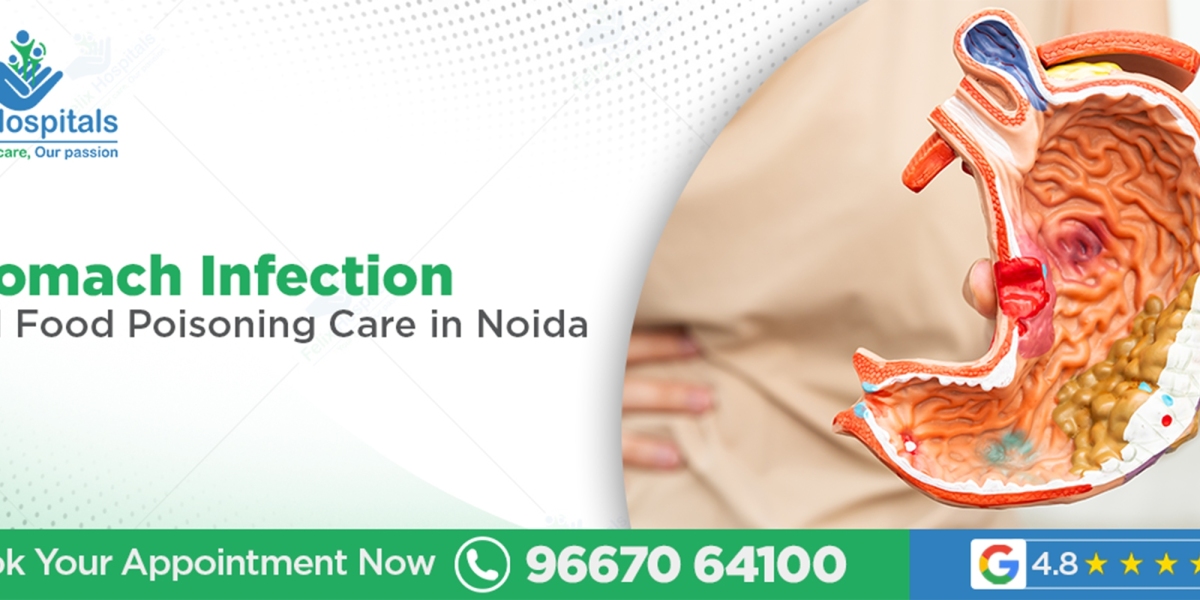

Stomach infections and food poisoning are among the most common gastrointestinal problems affecting people of all age groups. While many cases are mild and resolve on their own, some infections can become severe, leading to dehydration, electrolyte imbalance, and serious complications if not treated on time. In urban settings like Noida, frequent eating out, contaminated water, and seasonal infections increase the risk of stomach-related illnesses.
Understanding the causes, recognizing early symptoms, and seeking timely medical care play a crucial role in recovery. Access to expert care from a food poisoning hospital in Noida ensures accurate diagnosis, proper treatment, and prevention of complications.
For urgent stomach infection and food poisoning care in Noida, call +91 9667064100.
What Is a Stomach Infection and Food Poisoning?
A stomach infection, often referred to as gastroenteritis or stomach flu, is an inflammation of the stomach and intestines caused by viruses, bacteria, or parasites. Food poisoning occurs when contaminated food or water introduces harmful organisms or toxins into the digestive system.
Both conditions can present with similar symptoms, but the severity and duration vary depending on the cause, immune status, and speed of treatment.
Causes and Symptoms of Stomach Infection
Understanding the causes and symptoms of stomach infection helps in early identification and management.
Common causes include:
Viral infections such as norovirus or rotavirus
Bacterial infections like E. coli, Salmonella, or Shigella
Parasitic infections from contaminated water
Poor hand hygiene and unsafe food handling
Typical symptoms include abdominal cramps, nausea, vomiting, diarrhea, fever, bloating, and fatigue. In some cases, blood or mucus in stools may indicate a more serious infection requiring immediate attention.
How Food Poisoning Affects the Digestive System
Food poisoning usually develops within a few hours to a couple of days after consuming contaminated food. The toxins or bacteria irritate the stomach lining and intestines, leading to sudden symptoms such as severe vomiting, watery diarrhea, stomach pain, and weakness.
If left untreated, food poisoning can rapidly lead to fluid loss, making vomiting and diarrhea treatment Noida a critical component of care, especially for children and elderly patients.
When Stomach Pain and Nausea Need Medical Attention
Occasional stomach discomfort is common, but persistent or worsening symptoms require evaluation. Proper stomach pain and nausea relief depends on identifying the underlying cause.
You should seek medical care if:
Symptoms last more than 24–48 hours
There is high fever or severe abdominal pain
Vomiting prevents fluid intake
Diarrhea is continuous or bloody
Early intervention helps prevent complications and speeds up recovery.
Risk of Dehydration After Food Poisoning
One of the most dangerous complications is dehydration. Continuous vomiting and diarrhea cause rapid loss of fluids and electrolytes. Dehydration treatment after food poisoning is essential to prevent dizziness, low blood pressure, kidney strain, and confusion.
Signs of dehydration include:
Dry mouth and tongue
Reduced urination
Extreme weakness or lethargy
Sunken eyes
In moderate to severe cases, intravenous fluids may be required under medical supervision.
Diagnosis of Stomach Infection
Diagnosis depends on symptom severity and duration. Doctors may recommend:
Stool examination to identify infection type
Blood tests to assess dehydration or infection markers
Physical examination to check abdominal tenderness
Accurate diagnosis allows targeted treatment rather than unnecessary medication use.
Treatment Approach for Stomach Infection and Food Poisoning
Treatment focuses on symptom control, hydration, and addressing the cause:
Oral rehydration solutions to restore fluids
Medications for nausea, vomiting, and stomach cramps
Antibiotics only when bacterial infection is confirmed
Probiotics to restore gut health
Severe cases may require hospitalization, especially when oral intake is not possible.
Diet and Care After Stomach Infection
Following the right diet and care after stomach infection is crucial for complete recovery. The digestive system remains sensitive even after symptoms subside.
Recommended dietary practices include:
Starting with bland foods like rice, bananas, toast, and curd
Avoiding oily, spicy, or fried foods
Drinking plenty of fluids
Eating small, frequent meals
Gradual reintroduction of a normal diet helps restore digestive strength without triggering relapse.
Prevention of Stomach Infections and Food Poisoning
Preventive measures reduce recurrence and protect family members:
Wash hands thoroughly before meals
Drink clean, filtered, or boiled water
Avoid stale or undercooked food
Maintain proper food storage
Ensure kitchen hygiene
Prevention is especially important during monsoon and summer seasons when infections are more common.
Importance of Specialist Care in Noida
Timely consultation with a stomach infection specialist doctor in Noida ensures accurate treatment and prevents complications. Specialist-led care is particularly important for patients with chronic illnesses, weak immunity, or recurrent stomach infections.
Access to experienced doctors and diagnostic facilities helps manage both simple and severe cases effectively.
To consult the best gastroenterologist in Noida for stomach infection or food poisoning, call +91 9667064100.
Conclusion
Stomach infections and food poisoning may seem minor initially, but they can escalate quickly if ignored. Recognizing symptoms early, maintaining hydration, following proper dietary care, and seeking timely medical attention are essential for a safe and speedy recovery. With expert care available at a trusted food poisoning hospital in Noida, patients can recover comfortably and avoid long-term digestive complications.
Do not ignore persistent vomiting, diarrhea, or stomach pain—early treatment makes all the difference.
Source url: https://www.felixhospital.com/blogs/stomach-infection-food-poisoning-noida