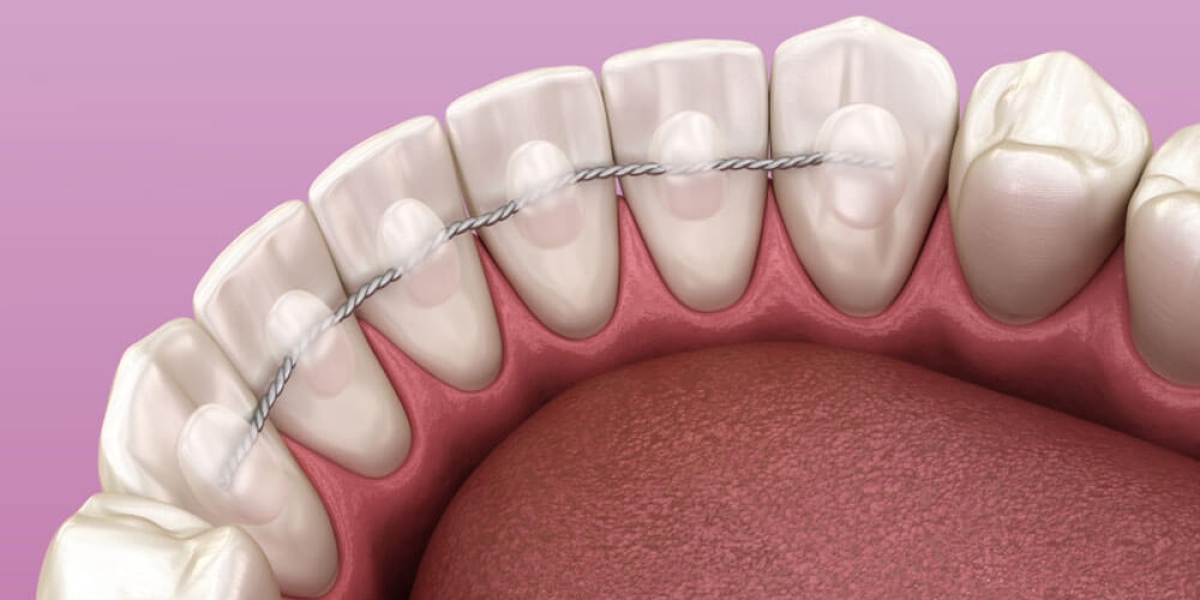

A smile is a powerful thing and the journey to straight teeth has taken a fascinating turn. Instead of placing brackets and wires on the front of the teeth, lingual dental braces take the scenic route. They work quietly from the hidden side, hugging the inner surfaces that face the tongue. Dental Braces Dubai offers a unique way to transform smiles without altering outer appearances along the way.
The Secret Location of Lingual Braces
The word lingual comes from the Latin word for tongue. Lingual braces live up to their name by residing on the tongue side of the teeth. This placement is what makes them virtually invisible from the front. When a person laughs or speaks, the hardware remains tucked away out of sight. Only the individual wearing them and their orthodontist knows the braces are there. It is orthodontic stealth mode at its finest.
Custom Made for Each Individual
Every mouth is shaped differently and the backside of teeth is not flat or uniform. Lingual braces rely on customization to work effectively. Before anything is placed, detailed impressions or digital scans are taken of the teeth. These records are sent to a specialized laboratory where technicians craft brackets that fit the unique curves of each tooth. This personalized manufacturing process ensures that the brackets sit flush against the enamel. Because they are tailor-made, they tend to be more comfortable and efficient than generic one-size-fits-all alternatives.
The Mechanics of Movement Behind the Scenes
Teeth move when steady gentle pressure is applied over time. Lingual braces generate this pressure through a system of brackets and archwires. The brackets are bonded directly to the back of the teeth. A thin metal archwire threads through each bracket creating a track. This wire acts like a guide gently persuading the teeth to shift into their ideal positions.
The Role of the Archwire
The archwire is the engine of the system. It is made from advanced metal alloys that remember their shape. When the wire is bent and placed into the brackets, it wants to return to its original form. This memory creates a constant low level of force against the teeth. As the teeth respond and move, the wire continues its gentle work. Over time the archwire is replaced with thicker or more active wires to continue the progress.
Brackets Designed for the Inner Curve
Brackets used on the lingual side are different from traditional brackets. They are smaller and flatter to accommodate the limited space behind the teeth. Because they sit so close to the tongue, their design minimizes bulk. Some brackets even have built-in hooks or specialized slots to help the archwire engage more effectively. This engineering allows for precise control over each tooth’s movement even from the reverse angle.
Adjustments and Progress Checks
Straightening teeth is a gradual process and regular visits are part of the journey. During these appointments the orthodontist removes the archwire and assesses how the teeth have shifted. New wires may be selected to continue the progression. Sometimes small elastic modules or tiny springs are added to the brackets to increase force in specific areas. These adjustments are the conversations between the braces and the teeth, guiding the next phase of alignment.
How the Tongue Adapts
The tongue is a strong and busy muscle. When lingual braces are first placed, the tongue notices the new neighbors immediately. Speech may sound different for a short time and certain sounds might feel tricky to pronounce. This is a normal part of the adjustment period. The tongue is incredibly adaptive. Within a short window, it learns to share space with the brackets and speech returns to normal. The body has a wonderful way of accommodating new things.
Who Chooses Lingual Braces
Many individuals select lingual braces because they value discretion. Professionals who speak publicly, performers, or anyone who simply prefers not to display metal brackets often find this option appealing. It allows the orthodontic process to remain a private matter. The focus stays on the person rather than the hardware in their mouth. This choice is purely about personal preference and lifestyle.
Comprehensive Treatment Capabilities
Lingual braces are not limited to simple cases. They are capable of correcting complex orthodontic issues including severe crowding, gaps, and bite misalignments. The same biomechanical principles that guide traditional braces apply here. With careful planning and customized brackets, even significant tooth movements can be achieved from the lingual side. This makes them a versatile tool in the art of orthodontics.
The Daily Experience of Wearing Lingual Braces
Living with lingual braces involves a slight learning curve but it becomes routine quickly. Eating is done with care, especially with harder or stickier foods that could damage the brackets. Oral hygiene takes on a new level of importance. Because the brackets are hidden, they are also hidden from a toothbrush if one is not diligent. Special attention is given to cleaning around the brackets and along the gumline on the inside of the teeth.
Cleaning Tools and Techniques
Keeping the back of the teeth clean requires specific tools. Small interdental brushes and floss threaders become everyday companions. These tools navigate around the wires and brackets to reach the spaces between teeth. Water irrigators are also commonly used to flush away food particles that might hide behind the hardware. With consistent care, the teeth and gums remain healthy throughout treatment.
Frequently Asked Questions
How Do Lingual Braces Stay in Place
Lingual braces are bonded to the teeth using a strong dental adhesive. This glue is designed to hold the brackets securely for the entire duration of treatment. It bonds to the enamel and the bracket base creating a firm attachment that withstands the forces of eating and speaking.
Do Lingual Braces Take Longer Than Traditional Braces
Treatment time varies from person to person. In many cases the duration is similar to traditional braces. The customized nature of lingual brackets often allows for highly efficient movement. However every individual responds differently and the complexity of the case plays a significant role in determining the overall timeline.
Can Anyone Wear Lingual Braces
Most people are candidates for lingual braces provided they have healthy teeth and gums. There are very few anatomical limitations. The determining factors are usually related to the specific bite issue and the individual’s commitment to oral hygiene during treatment.
Will Lingual Braces Interfere with Speech
There is an adjustment period where speech may feel different. The tongue needs time to acclimate to the brackets behind the teeth. This phase typically passes within a week or two. Reading aloud and practicing conversations can help speed up the adaptation process.
Are Lingual Braces Uncomfortable
Any orthodontic appliance causes some initial tenderness as teeth begin to move. Lingual braces are no exception. The tongue may also feel irritated at first. Orthodontic wax is often applied to the brackets to create a smooth surface. This wax acts as a buffer until the tongue toughens up and gets used to its new environment.
The Artistry of Invisible Alignment
Dental Braces in Dubai represent a beautiful blend of science and aesthetics. They prove that orthodontic treatment does not have to be visible to be effective. By working behind the teeth, they honor the desire for privacy while delivering exceptional results. The process requires patience and dedication but the reward is a smile that aligns with both the teeth and the individual’s comfort level. It is orthodontics designed for those who prefer their journey to remain their own secret.