
Emsella Treatment: A Non-Invasive Approach to Strengthening Pelvic Floor Muscles
There are health issues people rarely talk about openly.
Not because they’re uncommon.
But because they’re personal.
Bladder control, pelvic discomfort, intimacy concerns, post-childbirth changes, age-related weakness — these experiences live quietly in daily life. They show up during a laugh, a long drive, a workout, or a moment that should feel carefree but doesn’t.
For years, solutions felt limited. Exercises that required discipline few could maintain. Surgical options that felt extreme. Medications that addressed symptoms, not strength.
That space — between doing nothing and doing something invasive — is where emsella treatment entered the conversation.
This article explores what the treatment is, how it works, who it helps, what it feels like, and why so many people consider it a turning point rather than a quick fix.
No hype.
No exaggeration.
Just a clear, grounded look at the therapy itself.

Understanding the Pelvic Floor (Without the Medical Fog)
The pelvic floor is not one muscle.
It’s a group.
These muscles support the bladder, bowel, and reproductive organs. They help control urination, bowel movements, and play a role in sexual function and core stability.
When they’re strong, you don’t notice them.
When they weaken, life adjusts — subtly at first, then more noticeably.
Weakness can happen due to:
pregnancy and childbirth
aging
hormonal changes
prolonged sitting
obesity
chronic coughing
high-impact exercise
surgery
And once weakened, these muscles rarely recover on their own.
That’s where emsella treatment comes into focus.
What Emsella Treatment Actually Is
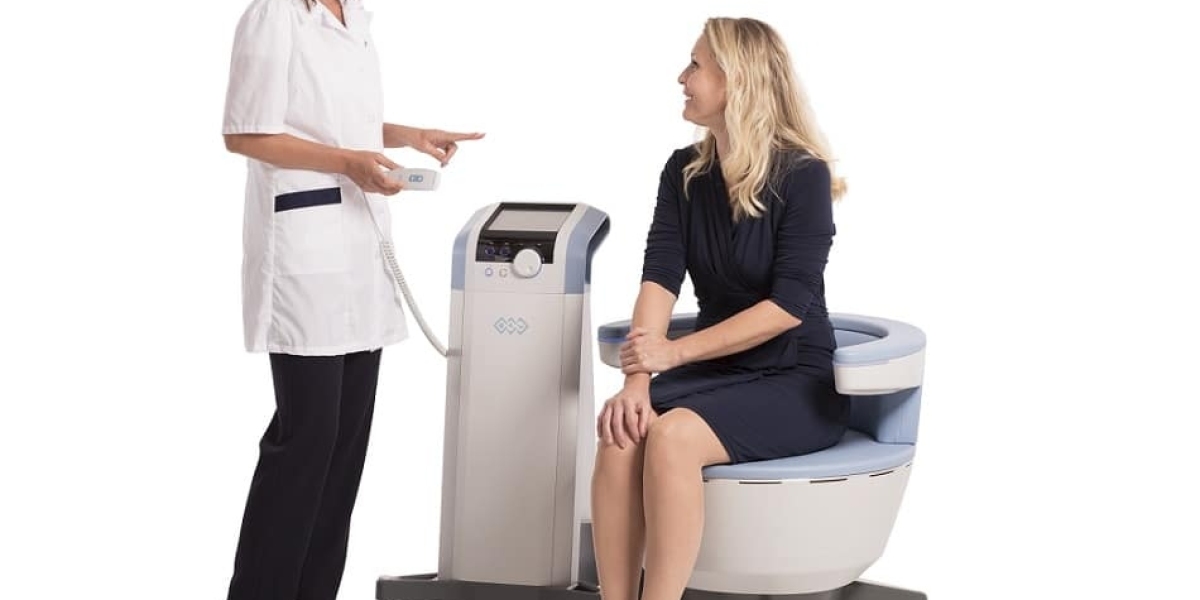
At its core, emsella treatment is a non-invasive pelvic floor therapy that uses focused electromagnetic energy to stimulate deep pelvic muscles.
No needles.
No incisions.
No internal devices.
The person sits fully clothed on a specially designed chair. During the session, targeted electromagnetic pulses trigger thousands of involuntary pelvic floor contractions.
These contractions are far stronger and more consistent than what most people can achieve on their own.
The goal isn’t temporary tightening.
It’s muscle re-education and strengthening.
Why Muscle Stimulation Matters More Than Awareness
Many people are told to “just do exercises.”
In theory, that makes sense.
In reality, most people:
aren’t sure they’re activating the right muscles
struggle with consistency
lose motivation when results are slow
over-contract surface muscles instead of deep ones
Emsella treatment bypasses all of that.
The stimulation reaches muscles that are difficult to engage consciously. It activates them repeatedly, precisely, and deeply — the way physical therapy would if the therapist could work from the inside out.
That’s the real difference.
What a Session Feels Like
This is often the first question people ask — quietly.
The sensation is unusual, but not painful.
During a session:
you feel rhythmic contractions
the intensity gradually increases
muscles tighten and release repeatedly
there’s no burning or sharp discomfort
At higher levels, the contractions feel strong — similar to a deep muscle workout — but they remain controlled.
Most sessions last around 25–30 minutes.
Many people read, scroll, or simply sit and breathe.
When it’s over, you stand up and walk out.
No downtime.
No recovery period.
Who Considers Emsella Treatment
The reasons vary, but the patterns are consistent.
Women often seek treatment for:
stress urinary leakage
post-pregnancy pelvic weakness
reduced core support
changes after menopause
decreased confidence during daily activities
Men often seek treatment for:
urinary control concerns
pelvic weakness after prostate procedures
reduced pelvic stability
overall quality-of-life changes
What’s important is this:
The treatment isn’t about age or gender.
It’s about muscle function.
What Results Typically Look Like
Results don’t arrive with fireworks.
They arrive quietly.
Most people notice changes such as:
fewer leakage episodes
better control during sudden movements
improved core engagement
increased confidence
less constant awareness of the bladder
These changes often begin after a few sessions and continue to improve as the muscles strengthen.
It’s not instant perfection.
It’s gradual normalcy returning.
Why Multiple Sessions Are Recommended
Muscles don’t strengthen in one workout.
Pelvic muscles are no different.
A typical treatment plan includes multiple sessions spread over several weeks. This spacing allows muscles to adapt, rebuild, and retain strength.
Think of it less like a single treatment and more like a guided training program, except the work happens automatically.
What Emsella Treatment Does Not Do
Clarity matters.
The treatment:
does not replace surgery when surgery is medically necessary
does not create permanent results without maintenance
does not work if underlying conditions are ignored
It strengthens muscles.
It doesn’t fix structural damage, nerve injuries, or unrelated bladder conditions on its own.
Good providers explain this upfront.
Why People Prefer This Option
People don’t choose emsella treatment because it’s trendy.
They choose it because it fits into real life.
no undressing
no recovery time
no disruption to work or routine
no daily effort required
It respects privacy.
It respects time.
And for many, it restores confidence without forcing lifestyle changes they can’t maintain.
The Emotional Side No One Talks About
Loss of bladder control isn’t just physical.
It changes how people behave.
They sit closer to exits.
They laugh less freely.
They avoid long trips.
They plan life around bathrooms.
When control improves, something subtle shifts.
People stop thinking about it.
That absence — of worry, planning, restraint — is often the biggest benefit.
Is the Treatment Right for Everyone?
No treatment is universal.
Emsella treatment works best when:
pelvic muscle weakness is the main issue
the person can commit to multiple sessions
expectations are realistic
underlying medical concerns have been evaluated
A proper assessment matters.
Quick promises don’t.
Maintenance and Long-Term Thinking
Like any muscle group, pelvic muscles benefit from ongoing care.
Some people choose occasional maintenance sessions months later. Others pair treatment with guided exercises to sustain results.
The goal isn’t dependency.
It’s independence.
Strong muscles give options.
Why the Conversation Is Changing
A decade ago, pelvic health conversations were whispered.
Today, they’re becoming practical.
People are no longer willing to accept discomfort as “normal.”
They want solutions that respect dignity and time.
Emsella treatment became part of that shift — not because it’s dramatic, but because it’s discreet, effective, and grounded in physiology.

Final Thoughts
Emsella treatment isn’t about chasing perfection.
It’s about restoring something quietly lost.
Strength.
Control.
Confidence.
For people who live with constant adjustment — planning routes, holding back laughter, feeling unsure in their own bodies — even small improvements can feel life-changing.
And sometimes, the most meaningful medical advances aren’t the loudest ones.
They’re the ones that let people forget the problem was ever there.