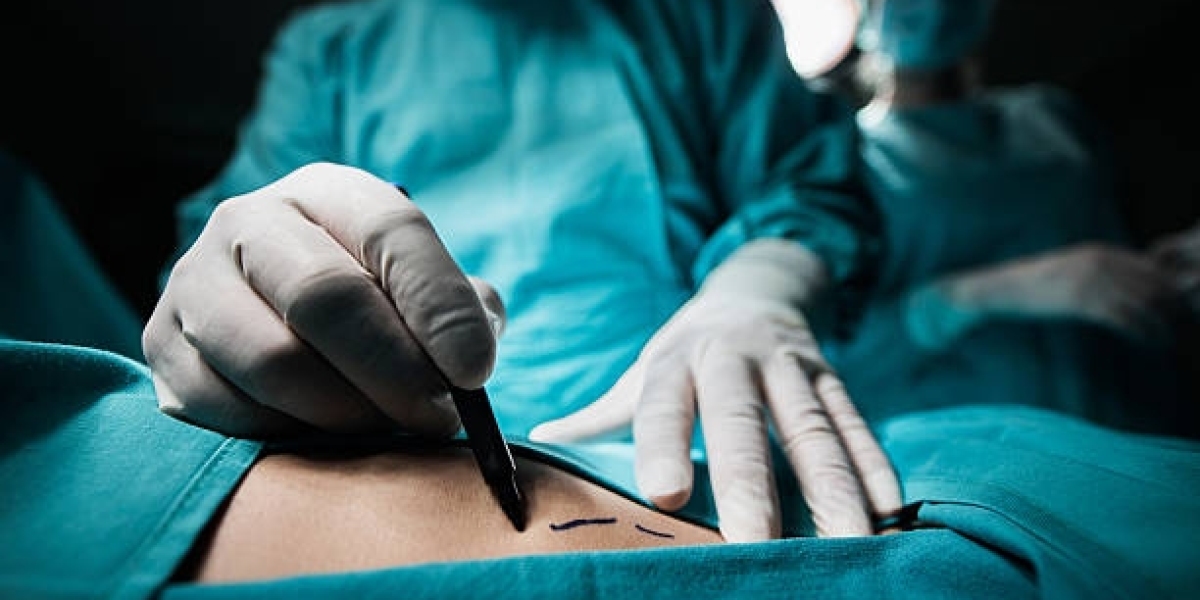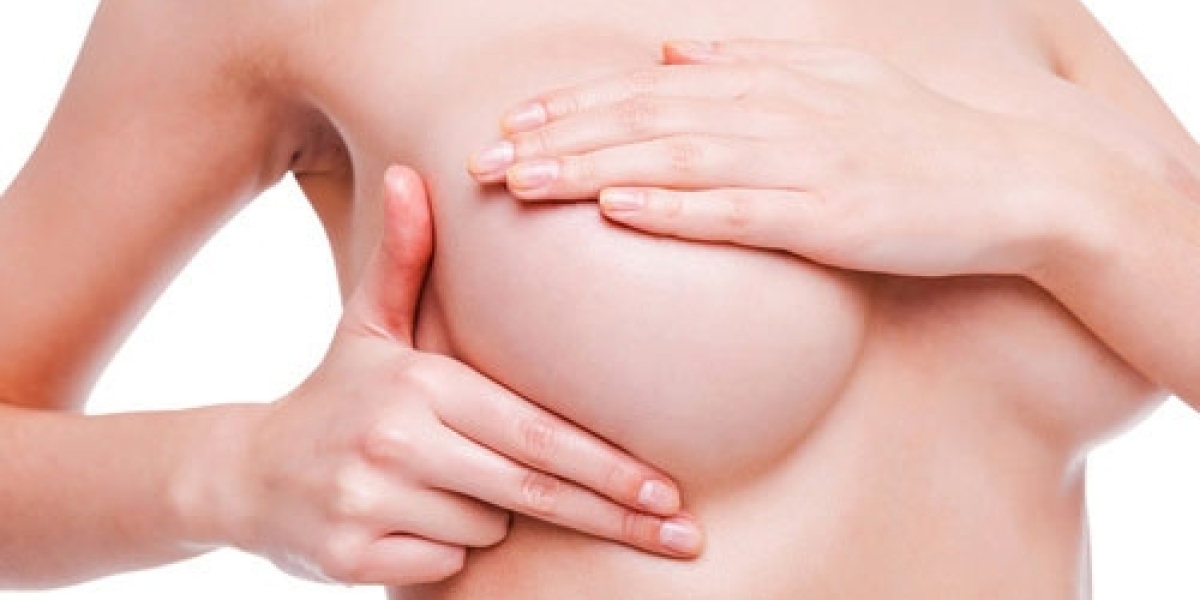

Confidence in your body can influence everything from the clothes you choose to the way you carry yourself in social and professional spaces. For some younger women, changes in breast shape, firmness, or position can feel unexpected and emotionally challenging. Whether these changes stem from weight fluctuations, genetics, pregnancy, or hormonal shifts, many start researching solutions and come across the option of a Breast Lift Dubaias a way to restore a more youthful contour.
But is this procedure appropriate for women in their 20s or early 30s? The answer depends on multiple factors, including physical development, lifestyle goals, and emotional readiness. Understanding when it makes sense—and when it may be better to wait—requires a closer look at anatomy, expectations, and long-term planning.
Understanding What a Breast Lift Actually Does
A breast lift, medically known as mastopexy, focuses on repositioning and reshaping the breast tissue rather than increasing or decreasing size. It addresses sagging (ptosis), improves nipple position, and tightens stretched skin to create a firmer and more elevated appearance.
Younger women often assume that sagging only occurs later in life. However, breast ptosis can develop at any age due to:
Genetic predisposition
Rapid weight loss
Pregnancy and breastfeeding
High-intensity physical activity without proper support
Naturally thin or less elastic skin
A lift does not significantly change breast volume unless combined with other procedures. Its primary purpose is structural enhancement and improved contour.
Why Younger Women Consider a Breast Lift
While cosmetic procedures are commonly associated with aging, many younger women seek improvements for deeply personal reasons. These motivations are often rooted in self-image rather than societal pressure.
Post-Pregnancy Changes
Even in their 20s, women who have experienced pregnancy and breastfeeding may notice volume loss and sagging. The skin stretches during pregnancy and may not fully retract afterward, leading to drooping or flattened shape.
Significant Weight Loss
Young women who undergo major weight transformations—through lifestyle changes or bariatric procedures—may experience loose skin and reduced firmness in the breasts. In these cases, lifting the breasts can help align their chest contour with their new body shape.
Genetic Factors
Some women naturally develop breasts with minimal structural support or weaker connective tissue. This can cause sagging even without pregnancy or weight fluctuations.
Asymmetry Concerns
Mild to moderate asymmetry in nipple height or breast positioning can become more noticeable over time. A lift can sometimes improve overall balance and proportion.
Physical Readiness: Has Development Fully Stabilized?
One of the most important considerations for younger women is whether breast development is complete. Performing a lift before full maturity may lead to further changes that affect long-term results.
Breast tissue typically stabilizes in the late teens to early 20s. However, hormonal fluctuations can still alter size and shape in the early adult years. It is generally advisable to wait until:
Breast growth has fully stopped
Weight has remained stable for several months
There are no anticipated major hormonal changes
Patience can make a significant difference in achieving lasting outcomes.
Emotional Maturity and Motivation
Age alone does not determine readiness. Emotional maturity and realistic expectations are equally critical.
Younger women should consider:
Are the concerns persistent, or temporary due to recent changes?
Is the desire for surgery internally motivated?
Are expectations realistic regarding scars and recovery?
A lift improves shape and firmness, but it does not create perfection. Understanding this distinction ensures long-term satisfaction.
Future Pregnancy Considerations
For younger women who plan to have children, timing matters. Pregnancy can stretch the skin again and alter breast volume, potentially affecting results.
While a lift does not automatically prevent breastfeeding, structural changes may influence milk production in some cases. Women who anticipate future pregnancies may choose to postpone surgery to avoid repeat procedures.
However, if sagging is already severe and significantly affecting self-esteem, some may opt to proceed earlier, understanding that future changes could occur.
Signs That a Breast Lift May Be Appropriate
Certain physical indicators suggest that a lift could be beneficial:
Nipples point downward or fall below the breast crease
Breasts appear elongated or deflated
Skin feels loose with reduced elasticity
Loss of upper pole fullness without weight gain
If these features persist despite exercise and supportive garments, structural correction may be the only way to restore firmness.
When It May Be Better to Wait
In some situations, postponing surgery is the wiser choice.
Ongoing Weight Changes
If you are actively losing or gaining weight, results may shift. Stabilizing your weight first helps maintain shape consistency.
Recent Breastfeeding
Breast tissue can continue adjusting for several months after breastfeeding ends. Waiting allows hormones to normalize and tissue to settle.
Uncertainty About Goals
If you are unsure about your desired outcome or feel pressured by external influences, additional reflection may be beneficial before making a permanent decision.
Recovery and Lifestyle Impact
Younger women often lead active lifestyles that include fitness, travel, or demanding careers. Recovery typically involves limited upper-body activity for several weeks.
Understanding downtime expectations is essential. Temporary swelling, mild discomfort, and visible scarring are part of the healing process. Scars typically fade over time but never disappear completely.
Maintaining results long term requires:
Wearing supportive bras
Avoiding significant weight fluctuations
Protecting skin elasticity through healthy habits
Psychological Benefits of Early Intervention
For some women, addressing sagging earlier rather than later can prevent years of insecurity. Feeling comfortable in fitted clothing, swimwear, or intimate settings can positively affect mental well-being.
Studies in aesthetic medicine consistently show that body image improvements often correlate with enhanced confidence and quality of life—provided expectations are realistic.
However, surgery should never be viewed as a solution to deeper self-esteem issues unrelated to physical appearance. Emotional health should always be part of the decision-making process.
Alternatives to Consider
Not every case of mild sagging requires surgical intervention. Non-surgical strategies may offer modest improvement, including:
Strengthening chest muscles to enhance projection
Wearing professionally fitted, supportive bras
Improving skin care routines for elasticity
Maintaining stable body weight
These methods cannot lift significant ptosis but may help in early stages.
Balancing Timing, Expectations, and Long-Term Goals
Deciding whether to proceed with surgery at a younger age is highly individualized. The ideal candidate is someone who has completed physical development, understands long-term implications, and has clear, stable goals.
Younger women should carefully weigh future life plans, including pregnancy and lifestyle changes. A thoughtful approach ensures that decisions align with both current desires and future circumstances.
Ultimately, a Breast Lift in Dubaican be appropriate for younger women when physical maturity is complete, expectations are grounded in reality, and motivations stem from personal confidence rather than temporary trends. When timing, readiness, and goals align, the procedure can offer renewed shape, improved posture, and a stronger sense of self, helping women feel empowered in their bodies at any stage of adulthood.