
The Clean India Mission, also known as Swachh Bharat Abhiyan, is one of the most ambitious public cleanliness drives ever undertaken in the country. Launched to improve sanitation, reduce pollution, and promote sustainable living, the mission goes far beyond sweeping streets or building toilets. At its core, it aims to transform how India handles waste. In this massive national effort, professional waste management companies play a critical and often underappreciated role.
Understanding the Waste Challenge in India
India generates millions of tonnes of waste every year from households, commercial spaces, industries, and institutions. Rapid urbanization, population growth, and changing consumption patterns have made waste management increasingly complex. Open dumping, overflowing landfills, and improper disposal not only damage the environment but also pose serious health risks.
The Clean India Mission recognizes that achieving cleanliness is impossible without systematic waste collection, segregation, treatment, and disposal. This is where structured waste management solutions become essential.
Supporting Clean India Through Organized Waste Collection
One of the most visible contributions of waste management companies is efficient and organized waste collection. Door-to-door collection systems help ensure that waste does not end up on streets, open plots, or water bodies. By introducing scheduled pickups, covered transportation, and trained personnel, these companies help cities and towns maintain cleaner surroundings.
Reliable collection also encourages citizens and businesses to participate actively in cleanliness initiatives, knowing that their waste will be handled responsibly.
Promoting Waste Segregation at Source
Segregation of waste into wet, dry, and hazardous categories is a cornerstone of the Clean India Mission. Without segregation, recycling and scientific processing become nearly impossible. Waste management companies play a key role in educating households, offices, and institutions about segregation practices.
Through awareness campaigns, training programs, and clear collection guidelines, they help bridge the gap between policy and on-ground execution. Proper segregation reduces landfill burden and improves recycling efficiency across the waste value chain.
Scientific Processing and Recycling of Waste
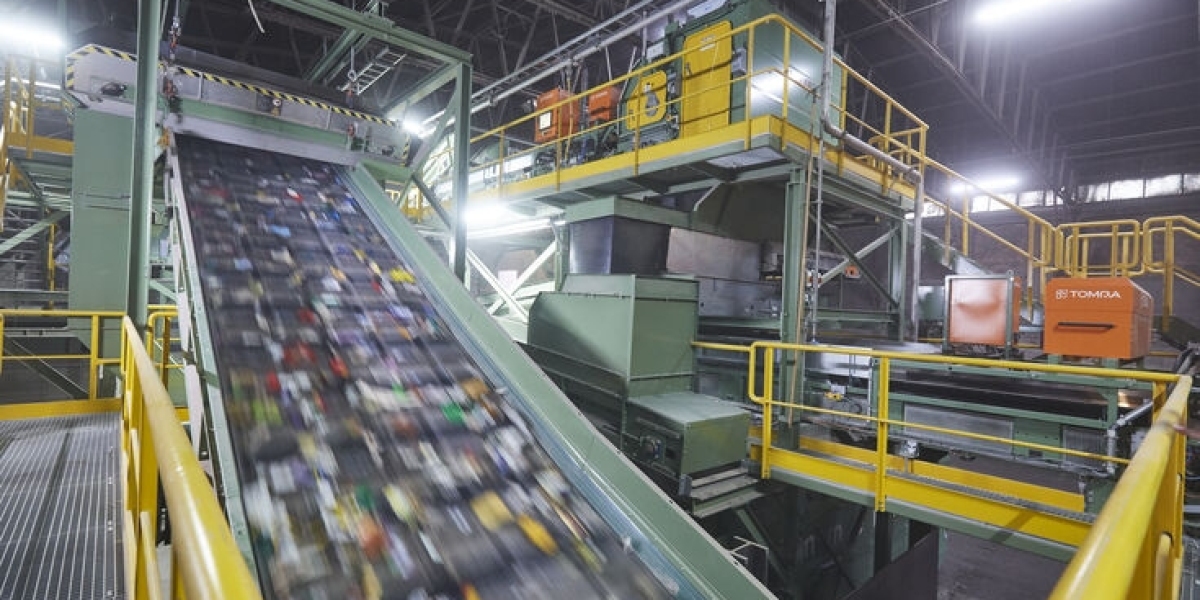
Another major contribution lies in the treatment and processing of waste. Organic waste is converted into compost or biogas, recyclable materials are recovered and sent back into manufacturing cycles, and hazardous waste is handled using compliant methods.
By adopting modern technologies such as material recovery facilities, composting units, and waste-to-energy systems, waste management companies align operational practices with the sustainability goals of the Clean India Mission. This shift from dumping to processing helps conserve resources and reduce environmental damage.
Reducing Landfill Dependency
Landfills are one of India’s biggest environmental challenges. Many are over capacity and pose threats to nearby communities. Professional waste management services focus on minimizing the amount of waste sent to landfills by maximizing recycling and recovery.
Through waste audits and data-driven approaches, they help local bodies and businesses identify waste reduction opportunities. This supports the Clean India Mission’s long-term vision of cleaner cities and healthier ecosystems.
Ensuring Compliance With Waste Management Rules
India has established comprehensive waste management regulations covering solid waste, plastic waste, e-waste, biomedical waste, and hazardous waste. However, compliance can be complex for businesses and institutions.
Waste management companies assist waste generators in understanding and meeting regulatory requirements. Proper documentation, authorized disposal, and traceability not only ensure legal compliance but also strengthen the credibility of the Clean India Mission at a national and international level.
Partnering With Urban Local Bodies
The success of the Clean India Mission depends heavily on collaboration between government bodies and private players. Waste management companies often work closely with municipal corporations and local authorities to improve infrastructure, introduce efficient systems, and scale up operations.
Public-private partnerships enable better resource utilization, improved service quality, and faster implementation of cleanliness initiatives across urban and semi-urban areas.
Creating Awareness and Behavioral Change
Cleanliness is as much about mindset as it is about infrastructure. Waste management companies actively contribute to behavior change by conducting awareness drives in schools, residential societies, and workplaces. Educating citizens about responsible disposal, reducing waste generation, and adopting sustainable habits strengthens the foundation of the Clean India Mission.
These efforts help transform cleanliness from a government-led program into a shared social responsibility.
Driving a Sustainable Future
The Clean India Mission is not a short-term campaign but a long-term movement toward sustainability. A professional waste management company in india plays a vital role in turning this vision into reality by combining operational expertise, technology, and community engagement.
As India continues its journey toward cleaner cities and greener practices, the role of organized waste management will only grow in importance. By enabling scientific waste handling and promoting responsible behavior, waste management companies remain key partners in building a cleaner, healthier, and more sustainable India.