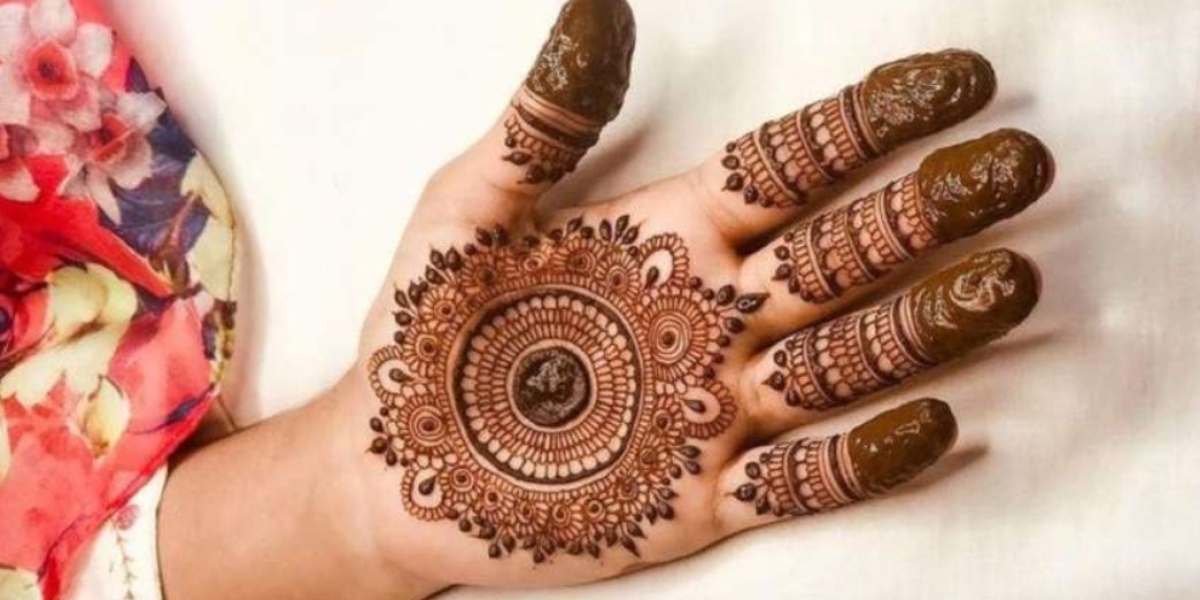

The world of temporary body art has expanded far beyond traditional henna, introducing enthusiasts to the deep, indigo-black stains of Jagua fruit juice. Derived from the Genipa americana fruit found in the Amazon rainforest, Jagua offers a stunning alternative to permanent tattoos. However, as with any natural product, safety must remain the top priority for both the artist and the client. While Jagua is often marketed as "100% natural," it is still a potent fruit extract that can trigger allergic reactions in sensitive individuals, particularly those with existing berry or citrus allergies. For any aspiring artist, understanding how to communicate these risks is essential. Mastering the balance between creative flair and client safety is a core pillar of a comprehensive henna course designed for professional success.
The Strategy Behind Marketing Safety as a Premium Service
In a competitive market, safety isn't just a legal requirement; it’s a powerful marketing tool. When you explicitly promote the necessity of a patch test for Jagua fruit allergies, you are positioning yourself as an expert who prioritizes client well-being over a quick sale. This builds an immediate layer of trust that "budget" artists often overlook. Marketing your safety protocols can be done through educational social media content, such as "behind-the-scenes" videos showing your preparation process. By explaining that Jagua reactions can sometimes be delayed—appearing only as the stain begins to fade—you demonstrate a level of sophistication that clients appreciate. This deep dive into the chemistry of natural dyes is exactly what students learn when they enroll in a professional henna course online to refine their craft.
How to Perform a Proper Jagua Patch Test
Education is the most effective form of marketing. To perform an effective patch test, a small amount of Jagua gel (about the size of a dime) should be applied to a discreet but sensitive area, such as the inner elbow or behind the ear. Unlike traditional henna, which often shows reactions quickly, Jagua allergies can be tricky. The gel should be left on the skin for at least two hours before being washed off with soap and water. The artist must then instruct the client to monitor the area for the next 24 to 48 hours. If any redness, itching, or swelling occurs, the full application must be avoided. Sharing this step-by-step process on your website not only informs your clients but also showcases your commitment to professional standards taught in a high-level henna course.
Managing Client Expectations and Delayed Reactions
One of the unique challenges with Jagua is the possibility of a "Type IV" hypersensitivity, which is a delayed allergic reaction. In some cases, a client may not show symptoms until a week after application. Marketing this information might seem counterintuitive, but transparency actually prevents future liabilities and negative reviews. By advising clients to schedule their patch test at least two weeks before a major event, you ensure their skin is safe and the results will be perfect for their special day. This proactive approach to client management is a skill that separates hobbyists from professionals. Gaining this level of foresight is a major benefit of completing a structured henna course online, where experienced instructors share real-world scenarios and safety best practices.
Identifying High-Risk Clients and Cross-Reactivities
Marketing your safety knowledge also involves knowing who not to tattoo. Jagua fruit belongs to the Rubiaceae family, and individuals who are allergic to berries, pineapples, or even certain citrus fruits may be at a higher risk of a reaction to the genipin found in Jagua. When you include a health questionnaire as part of your booking process, you are utilizing professional diagnostic tools that enhance your brand's authority. If a client mentions a history of sensitive skin or fruit allergies, you can suggest a switch back to traditional, 100% natural lawsonia inermis (henna), which has an incredibly low allergy profile. Navigating these ingredient complexities is a technical skill that is thoroughly covered in a professional henna course, ensuring you can provide beautiful art to everyone safely.
Content Ideas for Promoting Your Safety Standards
To truly integrate safety into your brand's identity, create "Safety Spotlight" posts. You could share a photo of a successful patch test or a infographic explaining the difference between "Black Henna" (which contains toxic PPD) and natural Jagua. Explain to your audience that while Jagua is safe for most, your "Safety First" policy is what makes your studio the best choice for their body art needs. Highlighting your certification from a recognized henna course online adds another layer of credibility to these claims. When clients see that you have invested time and money into formal training, they are more likely to trust your judgment and follow your safety recommendations without hesitation, leading to a more loyal and satisfied customer base.
The Professional Advantage of Formal Education
The transition from a beginner to a sought-after professional requires more than just artistic talent; it requires a deep understanding of the materials you use. Whether you are dealing with the cooling properties of natural henna or the oxidation process of Jagua berry juice, knowing the science behind the stain is vital.