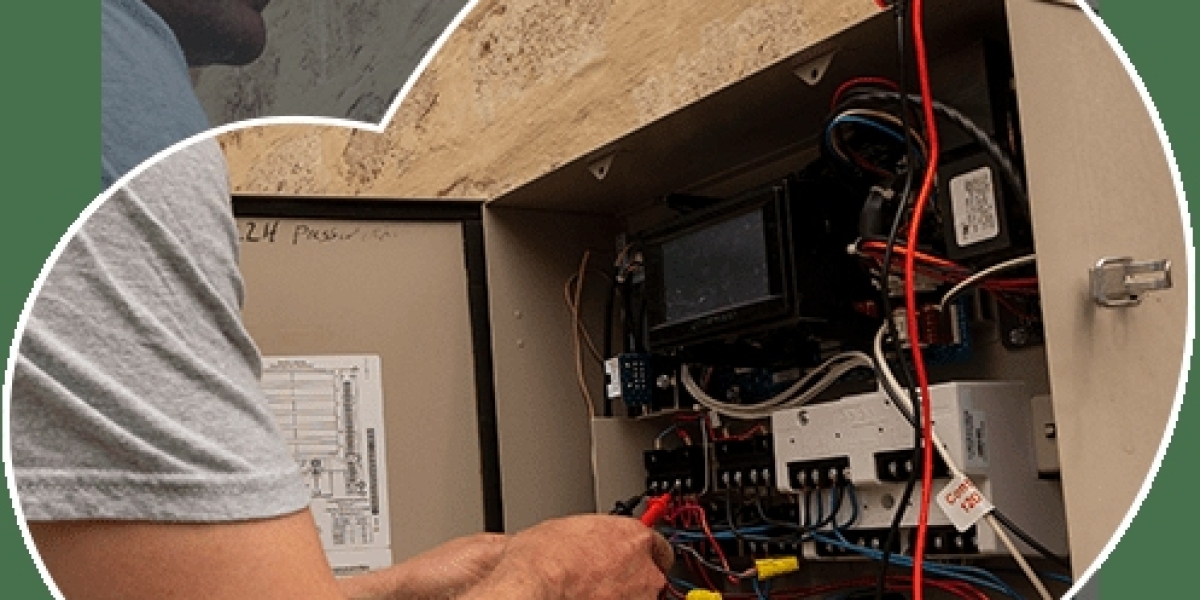

Pool lighting and pool heaters are two upgrades that can completely transform how you use and enjoy your swimming pool. While lighting enhances safety, visibility, and nighttime ambiance, heaters extend your swimming season and improve overall comfort. Whether you are installing these features in a new pool or upgrading an existing one, understanding how they work, available options, installation requirements, and maintenance considerations is essential.
Understanding Pool Lighting: Purpose and Benefits
Pool lighting serves both functional and aesthetic purposes. Proper lighting improves visibility, reduces safety risks, and allows the pool to be used after sunset. It also enhances the overall appearance of the pool area, creating a welcoming and relaxing atmosphere.
From a safety standpoint, pool lighting helps swimmers see pool edges, steps, depth changes, and obstacles. This is especially important for families with children or for pools used during evening gatherings. From a design perspective, modern pool lighting can dramatically elevate your outdoor space, highlighting water features, landscaping, and architectural elements.
Types of Pool Lighting
There are several types of pool lighting available, each offering unique benefits.
LED Pool Lights
LED pool lights are the most popular choice today due to their energy efficiency, long lifespan, and versatility. They consume significantly less electricity than traditional lights and can last up to 50,000 hours. Many LED lights offer color-changing options, allowing pool owners to customize the look of their pool for different moods or events.
Halogen Pool Lights
Halogen lights were once the standard for pool lighting. They provide bright, warm illumination but consume more energy and generate more heat than LEDs. While still used in some older pools, many homeowners replace halogen lights with LED alternatives to reduce energy costs.
Fiber Optic Pool Lighting
Fiber optic lighting uses a remote light source to transmit light through cables into the pool. These systems are safe and visually appealing but are typically more expensive and less bright than LED lighting.
Solar Pool Lights
Solar pool lights are eco-friendly and easy to install. They rely on sunlight to charge during the day and illuminate at night. While they are cost-effective, they generally provide less brightness and may not be suitable for all pool environments.
Pool Lighting Installation: What to Know
Installing pool lighting requires careful planning, especially for in-ground pools. Lights must be properly sealed, positioned, and wired to ensure safety and longevity. Electrical components should be protected from water exposure and meet local electrical codes.
For new pool construction, lighting installation is usually integrated into the design phase. For existing pools, retrofitting lighting may involve cutting into pool walls, upgrading electrical systems, or replacing outdated fixtures. Because of the electrical and waterproofing requirements, pool lighting installation should always be handled by trained and experienced technicians.
Pool Heater Installation: Why It Matters
A pool heater allows you to enjoy your pool beyond the peak summer months. Whether you want to swim in early spring, late fall, or during cool evenings, a heater provides consistent water temperature and comfort.
Pool heaters are especially valuable for families, therapeutic swimming, and pools used for fitness or social gatherings. Installing the right heater ensures reliable performance, energy efficiency, and long-term savings.
Types of Pool Heaters
Understanding the different types of pool heaters helps you choose the best option for your climate, pool size, and usage habits.
Gas Pool Heaters
Gas heaters use natural gas or propane to quickly heat pool water. They are ideal for pools that need fast heating or are used intermittently. Gas heaters perform well in all climates but may have higher operating costs depending on fuel prices.
Electric Heat Pumps
Heat pumps use electricity to extract heat from the air and transfer it to the pool water. They are highly energy-efficient and best suited for warm or moderate climates. While heat pumps take longer to heat water, they offer lower long-term operating costs.
Solar Pool Heaters
Solar heaters use energy from the sun to warm pool water. They are environmentally friendly and cost-effective to operate but depend heavily on sunlight availability. Solar heaters work best in sunny regions and are often used alongside other heating systems.
Pool Heater Installation Process
Installing a pool heater involves connecting it to the pool’s plumbing and electrical or gas systems. Proper sizing is critical—an undersized heater will struggle to maintain temperature, while an oversized unit may increase operating costs unnecessarily.
During installation, factors such as pool size, desired temperature, climate, and usage frequency must be considered. Ventilation, electrical capacity, and gas supply requirements must also be addressed. Improper installation can lead to inefficiency, safety risks, and equipment damage, which is why heater installation in pool should be performed by knowledgeable specialists.
Safety Considerations for Pool Lighting and Heaters
Safety is a top priority when installing pool lighting and heating systems. Electrical components must be properly grounded and protected by ground fault circuit interrupters (GFCIs). Lights should be sealed to prevent water intrusion, and wiring should be regularly inspected.
For heaters, proper ventilation is essential, especially for gas models. Carbon monoxide risks, gas leaks, and overheating issues must be avoided through correct installation and regular inspections. Adhering to safety standards protects both swimmers and equipment.
Energy Efficiency and Cost Considerations
Both pool lighting and heaters contribute to ongoing energy costs, making efficiency an important factor. LED lighting significantly reduces electricity usage compared to traditional lighting, while variable-speed pumps and timers can further optimize performance.
For heaters, choosing the right type and size is key to controlling costs. Heat pumps and solar heaters offer long-term savings, while gas heaters provide fast results with higher fuel consumption. Investing in energy-efficient systems may have higher upfront costs but delivers substantial savings over time.
Maintenance Tips for Pool Lighting and Heaters
Regular maintenance ensures optimal performance and extends equipment lifespan. Pool lights should be checked periodically for moisture, dimming, or color issues. Lenses should be cleaned, and seals inspected for wear.
Pool heaters require routine maintenance such as cleaning filters, checking connections, and monitoring performance. Addressing small issues early helps prevent costly repairs and unexpected breakdowns.
Upgrading Existing Pool Systems
Many pool owners choose to upgrade outdated lighting and heating systems. Replacing old halogen lights with LED fixtures improves efficiency and aesthetics. Upgrading heaters can enhance performance and reduce operating expenses.
System upgrades are also an opportunity to integrate automation, allowing you to control lighting and temperature remotely. Smart pool technology adds convenience and improves energy management.
Choosing the Right Pool Lighting and Heater Solutions
Selecting the right lighting and heating solutions depends on your pool’s design, usage patterns, and budget. A well-planned installation improves comfort, safety, and enjoyment while increasing property value.
Working with experienced pool service providers ensures that your equipment is correctly selected, installed, and maintained. Expert guidance helps avoid common mistakes and ensures long-term reliability.
Final Thoughts
Pool lighting and heater installation are valuable investments that enhance both functionality and enjoyment. Proper lighting improves safety and ambiance, while a reliable heater extends your swimming season and increases comfort. Understanding available options, installation requirements, and maintenance needs empowers homeowners to make smart, long-lasting choices.
With thoughtful planning and quality installation, pool lighting and heating systems can transform your pool into a space that’s enjoyable day or night, season after season.