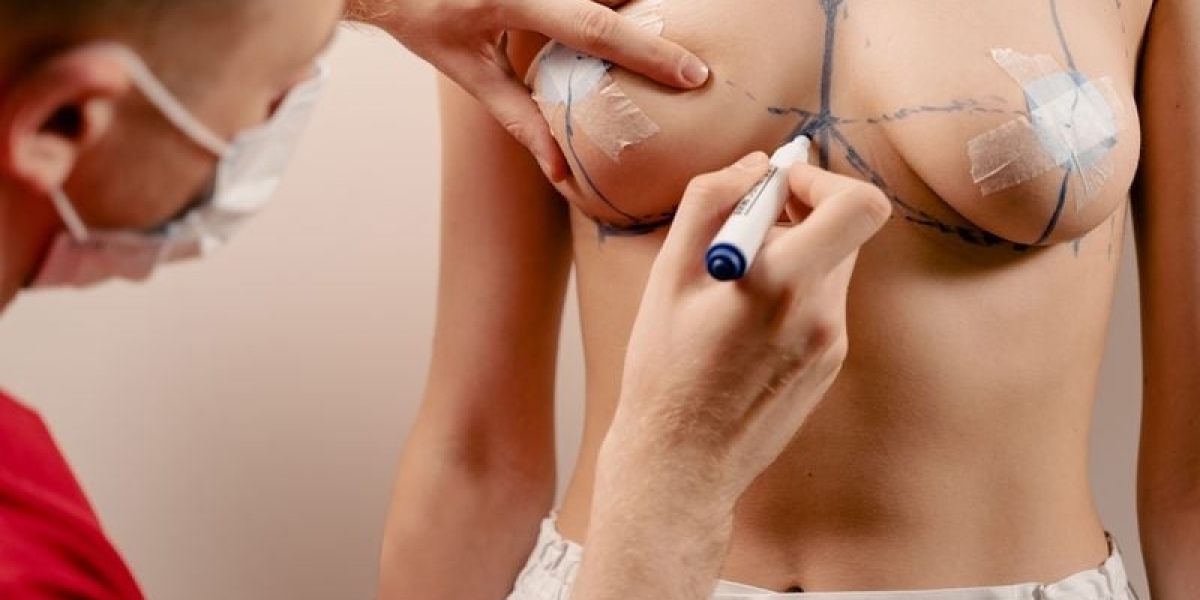

Many women considering cosmetic breast procedures share a common concern about future motherhood and infant feeding. The question of whether surgery will interfere with natural lactation is both valid and important. For those exploring aesthetic enhancement, understanding how a Breast Lift Dubaiinteracts with the body’s milk-producing structures can provide reassurance and clarity. Breastfeeding depends on functional glandular tissue, intact milk ducts, and responsive nerves that signal milk release. Any surgical change to breast anatomy raises understandable questions about whether those systems remain fully operational after healing.
How Breastfeeding Actually Works
To understand potential effects, it helps to understand lactation physiology. Milk is produced in glandular tissue called lobules and travels through ducts to the nipple. Hormones such as prolactin stimulate production, while oxytocin triggers let-down. Nerves in the nipple and areola play a crucial role by sending signals to the brain that regulate these hormones. Blood supply is equally important because it supports tissue health and milk synthesis.
If these structures remain largely intact, breastfeeding is often still possible. Disruption to ducts, nerves, or glandular tissue can reduce milk supply or affect sensation, but this depends heavily on surgical technique and individual healing patterns.
What a Lift Procedure Changes
A lift procedure focuses on reshaping and repositioning existing breast tissue rather than removing large volumes of glandular structures. Skin is tightened, and the nipple-areola complex may be elevated to create a firmer, more youthful contour. Because the primary goal is structural repositioning rather than tissue removal, many of the internal milk-producing components can remain functional.
However, the degree of internal adjustment varies. Some approaches preserve deeper connections between the nipple and underlying tissue, while others may involve more extensive repositioning. The more these internal pathways are maintained, the better the chance of preserving breastfeeding capability.
Nipple Sensation and Its Role in Milk Production
Sensation is more than a comfort issue — it is biologically linked to lactation success. When an infant latches, nerve stimulation in the nipple signals the brain to release hormones that control milk flow. Temporary numbness after surgery is common, but sensation often improves as nerves recover over time.
If sensation returns fully, hormonal signaling can function normally. Even when sensitivity changes slightly, many individuals still successfully breastfeed. The body has a remarkable ability to adapt, and hormonal responses can still occur even with altered sensation.
Milk Duct Integrity and Supply Potential
Milk ducts act as pathways between glandular tissue and the nipple. During a lift, surgeons typically aim to preserve these channels. Because glandular tissue is not the primary target of reshaping, milk production capacity may remain similar to pre-surgery levels.
That said, some women — regardless of surgery — naturally produce more or less milk. Genetics, hormonal balance, and overall health play major roles. Surgery may add a variable, but it is rarely the only determinant of supply.
Timing Between Surgery and Pregnancy
Healing time matters. Allowing the body to fully recover before pregnancy gives tissues time to stabilize and nerve pathways to regenerate. Many professionals recommend waiting at least several months, sometimes longer, before conceiving. This waiting period helps ensure swelling has resolved and circulation has normalized.
Pregnancy itself changes breast size, skin elasticity, and glandular development. These natural changes can influence aesthetic results and breastfeeding ability more than the prior surgery alone. Each pregnancy is unique, and the body often adapts effectively.
Possible Challenges and How They’re Managed
Some women may notice a reduced milk supply or uneven production between breasts. Others may experience no issues at all. Supplementation, lactation support strategies, and frequent nursing or pumping can help stimulate supply. Early guidance from a lactation consultant can make a significant difference in overcoming minor obstacles.
It is also important to remember that breastfeeding success exists on a spectrum. Exclusive nursing is one outcome, but combination feeding can still provide meaningful benefits for both parent and child.
Emotional Considerations and Confidence
Concerns about breastfeeding can create anxiety during pregnancy or postpartum recovery. Having realistic expectations and accurate information can reduce stress. Many individuals who have undergone cosmetic breast reshaping go on to have positive feeding experiences.
Confidence in the body’s ability to adapt plays an important role. Hormonal shifts during pregnancy naturally enhance glandular tissue development, sometimes improving milk production capacity even after prior procedures.
The Body’s Ability to Adapt
Human physiology is resilient. Even when some ducts or nerves are altered, the body can create new pathways or compensate with remaining tissue. Lactation is not an all-or-nothing process; partial function can still support meaningful milk transfer.
Hydration, nutrition, rest, and consistent feeding patterns all support milk production. These lifestyle factors often influence outcomes more strongly than structural changes alone.
Making an Informed, Empowered Decision
Ultimately, the possibility of breastfeeding after surgery depends on technique, healing, and individual anatomy. Many women successfully nurse after cosmetic reshaping, while some may experience minor limitations. Understanding these variables allows for realistic expectations without unnecessary fear. If you are considering future motherhood, knowing how a Breast Lift in Dubaiinteracts with natural lactation systems can help you plan confidently while still prioritizing your aesthetic goals.