
Smooth vs. Textured Implants: Understanding Safety and Movement
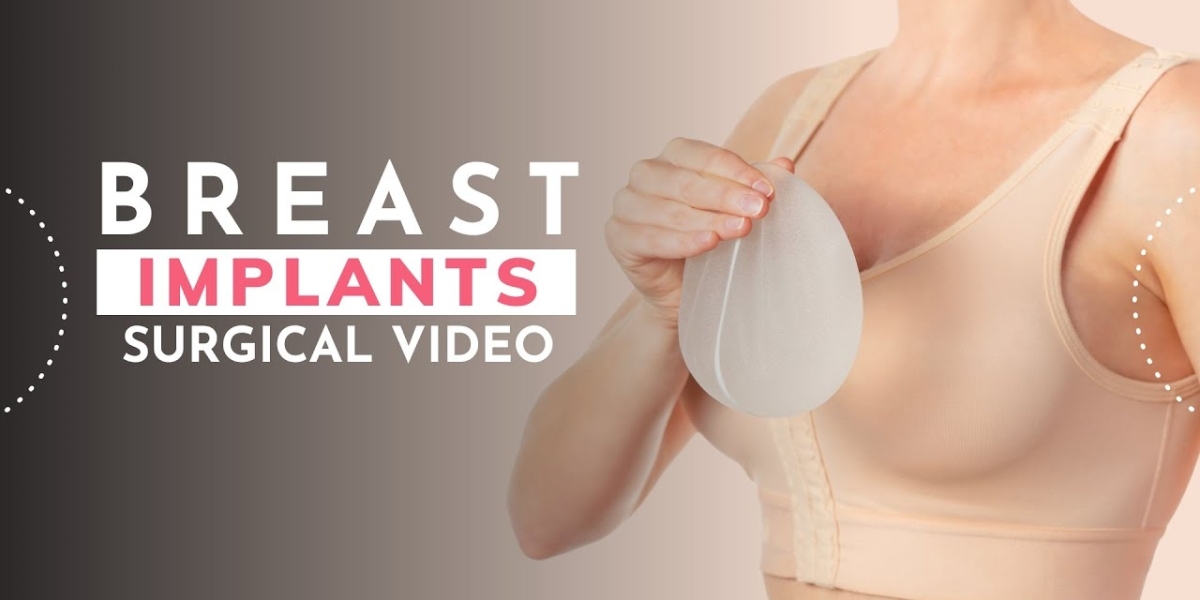
Breast implants in Riyadh(زراعة الثدي في الرياض) are no longer a binary choice of size; in 2026, the texture of the implant shell has become a critical focal point for safety-conscious patients. The decision between a smooth or textured surface significantly influences how the implant interacts with your body’s internal tissues. Smooth implants, characterized by their polished, slippery exterior, are designed to move fluidly within the surgical pocket, mimicking the dynamic sway of natural breast tissue. In contrast, textured implants possess a micro-roughened surface designed to "grip" the surrounding tissue, acting like biological Velcro to keep the implant anchored in a precise position. While both options have served distinct clinical purposes for decades, the evolution of medical data in the Kingdom and globally has shifted the conversation toward a "Safety-First" paradigm, weighing the benefits of structural stability against emerging long-term health considerations.
Comparison: Smooth vs. Textured At a Glance
| Feature | Smooth Implants | Textured Implants |
| Surface Texture | Polished, glossy, and slippery | Sandy, grainy, or micro-roughened |
| Movement | High; moves with gravity and posture | Low; stays fixed in the original position |
| Feel | Softer shell; more natural "squish" | Firmer shell; more structured feel |
| Common Use | Round implants; natural look/feel | Teardrop/Shaped; reconstruction |
| Rippling Risk | Higher (especially in thin patients) | Lower (due to tissue adherence) |
| BIA-ALCL Risk | Categorically lower/No confirmed cases | Documented association (Rare) |
Movement and Aesthetics: Finding Your Flow
For many women in Riyadh, the primary draw of smooth implants is their "kinetic" nature.
Natural Response: Because smooth implants do not adhere to the scar tissue capsule, they shift naturally when you change positions. They flatten slightly when you lie on your back and drop into a subtle teardrop shape when you stand—behaving much like natural anatomy.
The "Cleavage" Factor: Smooth implants are easier to push together in a bra to create cleavage, making them a favorite for those who enjoy versatile fashion choices.
Stability in Round Shapes: Since round implants are symmetrical, if a smooth round implant rotates within its pocket, the outward appearance remains unchanged, making it a reliable choice for long-term symmetry.
The Stability of Texture: When Precision Is Key
Textured implants were traditionally developed to solve specific mechanical issues in breast surgery.
Anchoring Anatomical Shapes: If you choose a teardrop (anatomical) implant, it must be textured. Because these implants have a specific "up" and "down," the texture ensures they do not rotate. If a teardrop implant spins, it creates a visible deformity.
Reducing Migration: For patients with very active lifestyles or those undergoing reconstructive surgery where the "pocket" may be less stable, the gripping action of a textured shell prevents the implant from sliding too far to the side (lateral migration) or dropping too low (bottoming out).
The Safety Conversation: BIA-ALCL
In 2026, the most significant factor influencing Riyadh surgeons to prefer smooth implants is a rare condition known as Breast Implant-Associated Anaplastic Large Cell Lymphoma (BIA-ALCL).
The Association: This is a rare cancer of the immune system that occurs in the fluid or scar tissue around the implant. Extensive global research has linked BIA-ALCL almost exclusively to implants with textured surfaces.
Smooth as the Safe Standard: As of 2026, there are virtually no confirmed cases of BIA-ALCL in patients who have only ever had smooth implants. This has led many premier clinics in the Kingdom to transition away from macro-textured devices entirely.
The Capsular Contracture Trade-off: Historically, textured implants were thought to reduce the risk of capsular contracture (the hardening of the breast). However, modern surgical techniques and the use of "under-the-muscle" placement have made smooth implants equally effective at maintaining softness, reducing the need for textured shells.
Making Your Decision in the Kingdom
Your choice should be a balance of your anatomical needs and your risk tolerance. If you desire a soft, moving, and historically low-risk enhancement, smooth implants are the modern gold standard. If your anatomy requires a fixed teardrop shape for reconstruction, your surgeon may discuss specialized micro-textured options that provide stability while minimizing surface roughness.