
Switzerland is more than a destination—it’s a soulful journey through snow-capped peaks, mirror-like lakes, storybook villages, and quiet alpine paths that invite reflection. Choosing the right time to visit shapes everything you’ll see and feel, from emerald valleys to glowing glaciers. This guide breaks down when to go, why it matters, and how to plan wisely—especially if you’re considering a thoughtfully curated Switzerland vacation package.
Why Timing Matters for a Switzerland Trip
Switzerland’s beauty is seasonal. Mountain passes open and close with the snow, lakes change color with light and temperature, and festivals appear only at certain times of the year. The “best” time depends on what you want to experience—hiking, photography, snow sports, festivals, or quiet contemplation.
Spring (April to June): Alpine Renewal & Fewer Crowds
What You’ll See
Melting snow revealing green meadows
Wildflowers blooming in lower alpine regions
Waterfalls at their most powerful
Why Choose Spring
Fewer tourists than summer
Pleasant temperatures for city walks and lake cruises
Ideal for scenic train journeys and photography
Things to Know
High-altitude hikes may still be closed due to snow
Weather can shift quickly—pack layers
Summer (July to September): Classic Alpine Perfection
What You’ll See
Lush valleys and crystal-clear lakes
Accessible mountain peaks and panoramic viewpoints
Vibrant outdoor cafés and festivals
Why Choose Summer
Best season for hiking, cable cars, and mountain railways
Long daylight hours for sightseeing
Ideal for families and first-time visitors
Travel Tip
Book accommodations and scenic trains early—summer is peak season. If your itinerary includes popular routes, reserve seats in advance.
Autumn (October to November): Golden Landscapes & Calm
What You’ll See
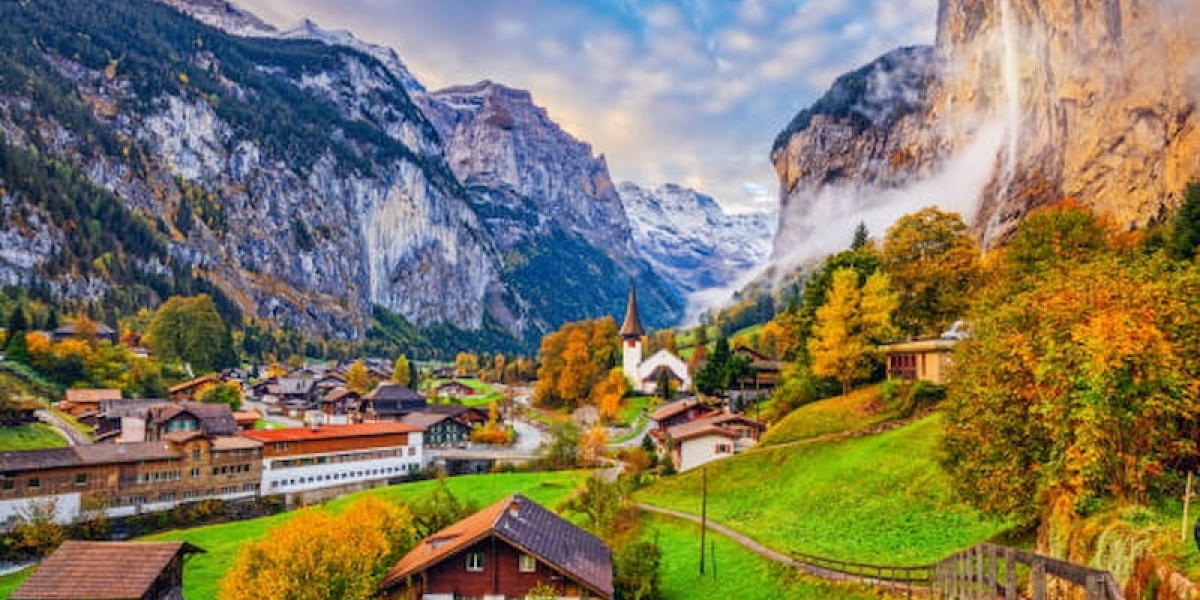
Golden forests and vineyard harvests
Clear air and dramatic mountain views
Quiet towns after summer crowds fade
Why Choose Autumn
Excellent for photography and slow travel
Lower hotel prices compared to summer
Peaceful atmosphere for cultural exploration
Things to Know
Some mountain lifts close for maintenance
Shorter days—plan daylight activities carefully
Winter (December to March): Snowy Magic & Spiritual Stillness
What You’ll See
Snow-covered villages and frozen lakes
Festive Christmas markets (December)
World-class ski resorts
Why Choose Winter
Ideal for skiing, snowboarding, and winter festivals
Cozy alpine charm and serene landscapes
Spiritual calm in mountain towns
Travel Tip
If you don’t ski, choose towns with winter train access and cultural attractions to enjoy the season comfortably.
Best Time Based on Travel Goals
For Scenic Views & Photography
May–June and September–October offer soft light, fewer crowds, and vivid colors.
For Adventure & Hiking
July–September provides full access to trails and mountain transport.
For Snow Experiences
December–February is perfect for winter sports and festive travel.
Essential Planning Tips for Switzerland
Documents & Entry
Valid passport (minimum 6 months validity)
Schengen visa (if applicable)
Confirm travel insurance covering medical and outdoor activities
Transport
Swiss Travel Pass offers seamless access to trains, buses, and boats
Reserve scenic trains (Glacier Express, Bernina Express) early
Packing Wisdom
Layered clothing for changing mountain weather
Comfortable walking shoes year-round
Power adapter (Type J plugs)
For detailed itineraries and seasonal insights, many travelers rely on a trusted Switzerland travel guide to align experiences with the right time of year.
Conclusion: Choosing the Season That Speaks to You
There is no single “perfect” month—only the season that aligns with your intentions. Summer offers grandeur, winter brings stillness, spring awakens the land, and autumn paints it gold. With mindful planning and expert guidance from Go kite Tours, your journey can be both seamless and deeply rewarding. Whether you’re seeking alpine adventures or quiet reflection, the right timing—and the right Switzerland vacation package—will transform your trip into a lasting memory.