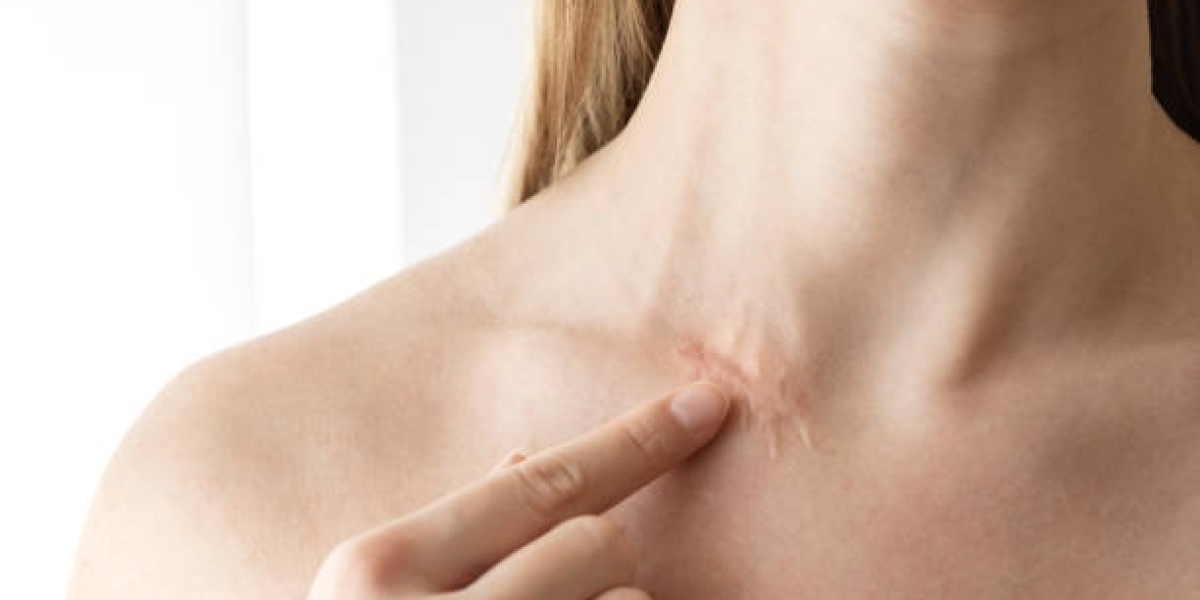

Dermabrasion is a time-tested procedure for permanent scar removal in Dubai, particularly effective for superficial and moderately deep scars. Many patients worry about pain, downtime, and realistic results. In a clinical setting, we observe that understanding the procedure, sensations during treatment, and recovery timelines helps patients make informed decisions. This article provides clinically informed insights on dermabrasion, including patient experiences, safety considerations, and what to expect for long-term scar improvement.
How Dermabrasion Works
Dermabrasion mechanically resurfaces the skin to remove the upper layers and smooth scar tissue:
Technique: A rotating instrument or brush removes the scarred skin layer by layer.
Depth Control: Depth is adjusted based on scar type and skin thickness to avoid complications.
Target Scars: Superficial acne scars, surgical scars, and minor traumatic scars.
Patients often describe a gritty or sandpaper-like sensation during the procedure, which is managed with local anesthesia to minimize discomfort.
Step-by-Step Patient Experience
Consultation: Clinicians assess scar type, skin tone, and overall suitability.
Anesthesia: Local anesthetic ensures the procedure is largely painless.
Resurfacing: The dermabrasion device is carefully passed over scarred areas. Patients may feel pressure or vibration.
Post-Treatment Care: Redness, swelling, and oozing are normal initially, typically subsiding within 5–7 days.
Clinical observations indicate that patients who are briefed on procedural sensations and recovery report lower anxiety and higher satisfaction.
Recovery Timeline
| Procedure Type | Initial Healing | Redness & Swelling | Full Recovery |
|---|---|---|---|
| Dermabrasion | 5–7 days | 1–2 weeks | 3–4 weeks |
| Dermabrasion + Topical Care | 5–7 days | 1–2 weeks | 3–4 weeks |
Patients generally return to light daily activities within a week. Sun protection, moisturization, and avoiding friction or harsh products are essential during recovery.
Pain and Comfort Insights
Local anesthesia makes the procedure largely painless.
Mild pressure, vibration, and post-treatment tightness are common.
Swelling and redness are temporary and manageable with cold compresses and proper care.
Patients often report that knowing what to expect during and after the procedure significantly reduces procedural anxiety.
Safety and Contraindications
Dermabrasion is generally safe but requires caution in:
Active skin infections or inflamed acne
Recent tanning or photosensitizing treatments
History of keloid or hypertrophic scars
Certain medical conditions that impair healing
Clinicians customize depth, technique, and post-care instructions to minimize risks and ensure effective results.
Patient Testimonials
“I was concerned about downtime, but the procedure was surprisingly comfortable. My acne scars are much smoother and more even now.” – Female, 29
“Redness lasted a few days, but the results are permanent and noticeable. I’m very happy with the outcome.” – Male, 34
Ideal Candidates for Dermabrasion
Individuals with superficial or moderately deep scars
Patients seeking permanent improvement in skin texture
Those committed to post-procedure care, including sun protection and moisturization
Dermabrasion is less suited for very deep or keloid-prone scars without additional therapies. Proper clinical assessment ensures safety and optimal results.
Why Choose Tajmeels Clinic
Tajmeels Clinic provides clinically guided dermabrasion treatments for permanent scar improvement. Patients benefit from individualized procedural settings, attentive care during recovery, and realistic outcome planning, ensuring safe and effective results for facial and body scars.