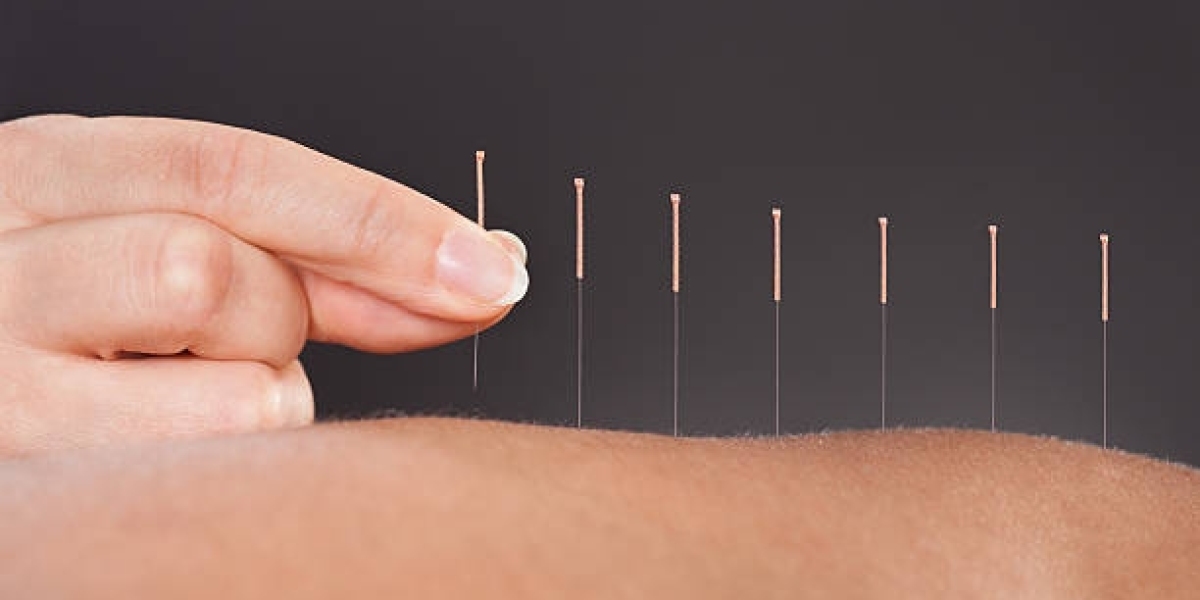

Back pain is a common concern in Dubai, affecting daily activities and quality of life. Acupuncture Treatment in Dubai for back pain relief offers a clinically observed approach to reduce discomfort, improve mobility, and support recovery. Patients often report notable relief during and after sessions, making it important to understand what to expect regarding sensations, safety, and realistic outcomes.
How Acupuncture Reduces Back Pain
Acupuncture works by stimulating points that influence muscles, nerves, and circulation. Clinically, we observe that:
Needles at points such as BL23, BL25, and GV3 help relax tight muscles and reduce inflammation.
Gentle manipulation or electroacupuncture can modulate pain signals along the spine.
Session frequency and point selection are tailored to the location, severity, and type of back pain.
Patients often feel mild tingling, warmth, or pressure at the needle sites, indicating effective therapeutic stimulation.
What Patients Feel During Back Pain Sessions
Typical stages of a back-focused acupuncture session include:
Insertion: Brief pinch or pressure at targeted acupoints.
Stimulation: Gentle twirling or optional electroacupuncture; warmth or mild heaviness may occur.
Retention: 20–30 minutes; patients often report a sense of muscle relaxation.
Removal: Painless; occasional minor bruising may appear.
Clinical follow-ups indicate some patients experience immediate relief of muscle tension or stiffness during the session.
Recovery and Realistic Outcomes
Acupuncture for back pain is low-impact with minimal downtime. Observed outcomes include:
Mild soreness at needle sites for up to 24 hours
Temporary fatigue or lightheadedness immediately post-session
Gradual reduction in pain intensity, improved mobility, and decreased muscle tightness over several sessions
Most patients return to normal activities immediately, with cumulative benefits developing over consistent treatments.
Safety Considerations
Acupuncture is safe when administered by certified practitioners using sterile, single-use needles. Key considerations include:
Avoiding insertion near inflamed skin, open wounds, or acute injuries
Caution for patients with bleeding disorders or on anticoagulants
Minor bruising, lightheadedness, or fatigue are common; serious complications are rare
Clinical monitoring ensures patient safety throughout treatment.
Technology and Techniques for Back Pain Relief
| Method | Use Case | Recovery Impact |
|---|---|---|
| Traditional manual needles | Muscle tension, chronic pain | Mild soreness, 12–24h |
| Electroacupuncture | Sciatica, nerve-related pain | Tingling, no downtime |
| Trigger point acupuncture | Localized knots or spasms | Mild soreness, quick recovery |
Practitioner decisions on needle depth, stimulation type, and session frequency are guided by patient feedback and pain severity.
Can acupuncture help chronic back pain?
Yes. Clinical observations show patients often experience reduced pain, improved flexibility, and decreased muscle tension over multiple sessions.
Is acupuncture painful during back pain treatment?
Most patients report only mild pressure or tingling at insertion points. Sessions are generally tolerable and often relaxing.
Who Benefits Most?
Ideal candidates include:
Individuals with chronic or acute lower, mid, or upper back pain
Patients experiencing muscular tension, stiffness, or nerve-related discomfort
Those seeking complementary, non-pharmacological pain management
Patients with severe spinal conditions, bleeding disorders, or uncontrolled chronic illnesses should consult a physician before treatment.
Patient Experiences
“My lower back was stiff and sore for months. After a few acupuncture sessions, I noticed significant improvement and could move more freely.”
“The needles were surprisingly gentle, and I felt immediate relief in my upper back. Over weeks, my chronic pain reduced noticeably.”
These experiences reflect clinical observations of improved mobility and reduced pain intensity.
Frequently Asked Questions
How often should sessions be scheduled for back pain relief?
Weekly sessions for 4–6 weeks are common, with follow-up sessions as needed based on response.
Are there side effects?
Minor soreness, bruising, or temporary fatigue may occur. Infection risk is extremely low with sterile needles.
Can acupuncture replace back pain medication?
It can complement medications but is not a substitute for prescribed treatment when necessary.
Does acupuncture help sciatica or nerve-related back pain?
Yes. Targeted electroacupuncture and trigger point therapy can reduce nerve irritation and improve mobility.
How soon will improvements appear?
Some patients notice relief after the first session; optimal benefits generally develop after multiple consistent treatments.
Why Choose Tajmeels Clinic
At Tajmeels Clinic, back pain-focused acupuncture is delivered by certified practitioners emphasizing patient comfort, safety, and individualized care. Step-by-step guidance, gentle needle techniques, and clinical follow-up ensure improved mobility and pain relief for lasting results.