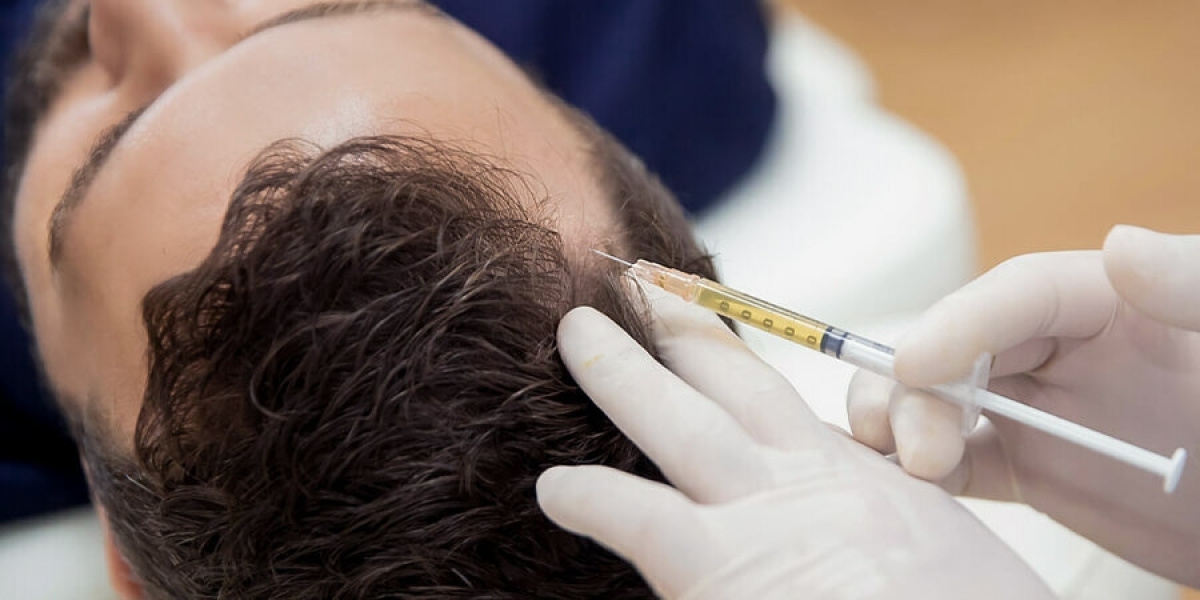

Hollow temples can make the upper face look tired, angular, or uneven. Clinical temple filling in Dubai by experts restores volume and structure in a controlled, precise way. Unlike standard cosmetic treatments, clinical procedures follow strict protocols to ensure safety, symmetry, and natural outcomes. Patients often report reduced anxiety and greater satisfaction when they understand exactly how the procedure is performed.
Step 1: Comprehensive Consultation
Before any injections, experts perform a detailed assessment:
Examine temple hollowing and asymmetry
Evaluate brow height, cheek projection, and midface volume
Assess skin thickness and scalp position
Discuss patient goals and filler options
Experts may use photography or 3D imaging to plan treatment. This ensures that temple filling improves balance rather than creating artificial fullness.
Step 2: Selecting the Right Filler
Filler choice is critical in clinical temple procedures:
Hyaluronic Acid (HA) Fillers: Soft, moldable, reversible, last 9–12 months
Calcium Hydroxylapatite (CaHA) Fillers: Firmer, collagen-stimulating, 12–18 months longevity
Poly-L-Lactic Acid (PLLA) Fillers: Stimulates collagen gradually, lasting 18–24 months
Experts select filler based on anatomy, volume loss, and patient preferences. Sometimes, combination approaches are used for both immediate volume and long-term structural support.
Step 3: Mapping and Planning
Experts carefully map the temple region:
Identify key structures: temporal bone, deep temporal fat pad, temporalis muscle
Avoid superficial temporal vessels
Determine entry points for cannula or needle
Plan exact depth and volume per side
Precise mapping minimizes risks such as vascular injury, overcorrection, or asymmetry.
Step 4: Sterilization and Numbing
Maintaining a sterile field is essential:
Antiseptic cleaning of the temple area
Application of topical numbing cream or local anesthetic
Ensures patient comfort and reduces swelling
This step reassures patients while setting the stage for a controlled procedure.
Step 5: Controlled Clinical Injection
Clinical temple filling follows a strict, stepwise protocol:
Single entry point per side: Reduces tissue trauma
Micro-injections in deep plane: Above bone, beneath fat and muscle
Slow, precise filler deposition: Ensures symmetry and smooth contours
Continuous visual checks: Experts adjust placement during injection
Gentle shaping only: No aggressive massage to disturb filler
The procedure typically takes 20–30 minutes. Patients often report pressure rather than pain, with most discomfort brief and manageable.
Step 6: Immediate Post-Treatment Evaluation
After injections, experts:
Check for symmetry and facial harmony
Assess for swelling, redness, or minor bruising
Provide customized aftercare instructions
Patients are advised to avoid massaging the area, strenuous exercise for 24 hours, and direct heat exposure.
Step 7: Recovery and Integration
Recovery is generally smooth and predictable:
Day 1: Mild swelling or tightness; pain is uncommon
Days 2–3: Slight tenderness, minor bruising may appear
Days 4–5: Filler begins to settle; temples look naturally balanced
Days 6–7: Full integration; area feels soft and natural
Most patients resume work or social activities immediately. Experts schedule a follow-up to ensure optimal results.
Step 8: Maintenance Recommendations
Maintenance depends on filler type:
HA fillers: touch-ups every 9–12 months
CaHA fillers: follow-ups every 12–18 months
PLLA fillers: multiple sessions to maximize collagen stimulation
Follow-up ensures sustained, natural-looking outcomes.
Safety Protocols in Clinical Settings
Experts follow multiple safety measures:
Use of blunt cannulas when appropriate
Slow injection technique for precise control
Avoidance of superficial planes near vessels
Immediate observation post-procedure
These measures significantly reduce risks such as lumps, asymmetry, or vascular complications.
Benefits of Clinical Temple Filling
Clinical procedures offer several advantages:
Natural, subtle results tailored to facial structure
Controlled, safe injections by experienced specialists
Reduced recovery time and minimal bruising
Increased confidence for patients new to injectables
A patient shared, “I felt informed at every step. The injections were gentle, and within a week, my temples looked refreshed and natural.”
Frequently Asked Questions
Is the procedure painful?
Discomfort is usually mild. Numbing cream or local anesthesia minimizes sensations.
How long is the procedure?
Including preparation and injections, it typically takes 30–45 minutes.
When will I see results?
Immediate improvement is visible, with full integration within 5–7 days.
Can temple filling be combined with other treatments?
Yes. Many patients combine it with cheek, jawline, or brow fillers for overall balance.
Who should perform this procedure?
Only trained, experienced specialists should perform clinical temple filling for safety and natural outcomes.
Why Choose Tajmeels Clinic for Clinical Temple Filling in Dubai?
At Tajmeels Clinic, clinical temple filling is treated as a medical procedure, not a cosmetic trend. Specialists follow step-by-step protocols that focus on facial anatomy, conservative dosing, and patient safety. Pricing ranges from 1499 AED to 3499 AED, with individualized plans that prioritize natural, balanced, and long-lasting results.