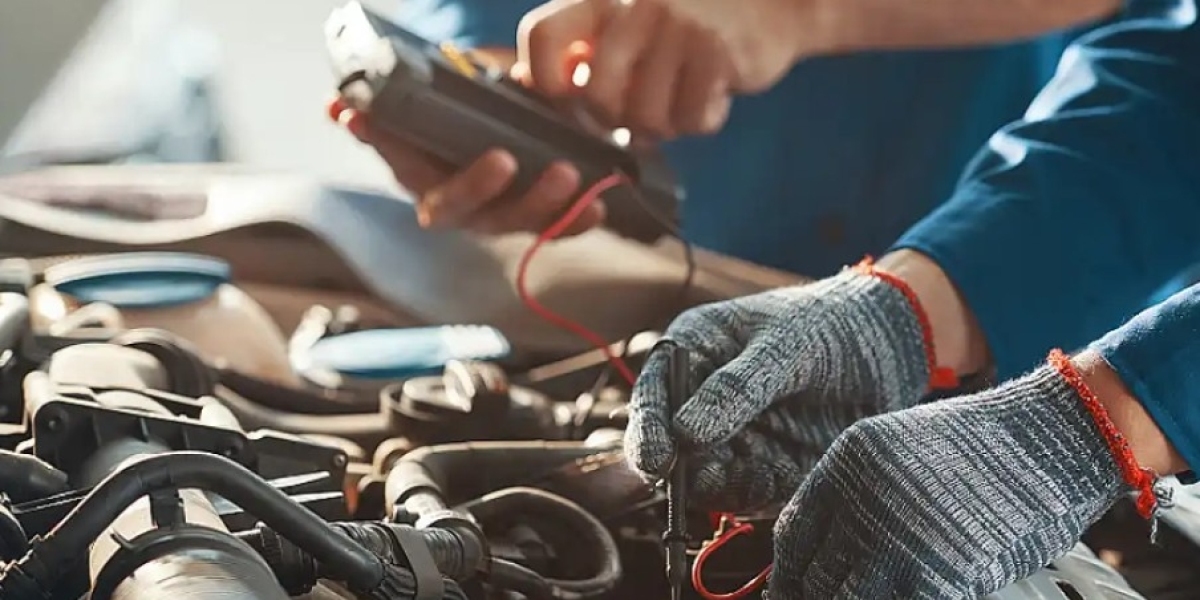

In the world of internal combustion engines, timing is everything. The synchronisation between the crankshaft and the camshaft ensures that valves open and close at the precise millisecond required for optimal combustion. While many vehicles rely on rubber timing belts, high-performance and high-mileage modern engines often utilise a metal timing chain. These chains are designed to last the lifetime of the engine, but reality often dictates otherwise. As a vehicle climbs toward the six-figure mileage mark, two common mechanical failures often emerge: the stretching of the chain itself or the failure of the hydraulic tensioner. Distinguishing between these two can be the difference between a minor repair and a catastrophic engine failure, as a skipped tooth on the sprocket often leads to bent valves and destroyed pistons.
The Symptoms of a Stretched Timing Chain
A timing chain does not "stretch" in the way a rubber band does; rather, the hundreds of tiny pins and rollers that make up the chain experience minute amounts of wear at every pivot point. Over 100,000 miles, these fractions of a millimetre add up, increasing the overall length of the chain. This phenomenon is known as "elongation." The primary sign of a stretched chain is a persistent "death rattle" that occurs during a cold start. Because the chain is longer than it should be, it slaps against the plastic guides until the oil pressure builds up enough to take up the slack. However, unlike a tensioner issue, a stretched chain will often continue to rattle slightly even once the engine is warm, particularly during deceleration or at idle.
[Image showing a comparison between a new timing chain and an elongated worn chain]
Beyond the audible rattle, a stretched chain directly impacts the engine's "mapping." Because the cams are now slightly out of sync with the crank, the engine's computer (ECU) will detect a correlation error. This usually triggers a "Check Engine" light with codes such as P0011 or P0016. In a car mechanic course, students learn to use an oscilloscope to compare the waveforms of the crank and cam sensors. If the peaks of the waves are consistently shifted, the chain is physically elongated. Drivers will also notice a significant drop in fuel economy and a "sluggish" throttle response, as the valve timing is no longer at the peak efficiency calculated by the manufacturer.
Identifying a Faulty Hydraulic Tensioner
The timing chain tensioner is the component tasked with keeping the chain taut under all operating conditions. Most modern cars use a hydraulic tensioner that relies on engine oil pressure to push a piston against the chain guide. A faulty tensioner often presents symptoms that mimic a stretched chain, but with a few key differences in "behavior." A tensioner failure is usually caused by a leaking internal seal or a clogged oil passage. The classic sign is a very loud, violent rattling sound that lasts for 2 to 5 seconds immediately after a cold start, which then disappears completely once oil pressure reaches the unit. If the rattle vanishes as the engine warms up, the tensioner is likely the culprit, as it is failing to hold "prime" overnight.
The Intersection of Maintenance and Mechanical Longevity
The root cause for both stretched chains and failed tensioners in high-mileage cars is almost always related to oil quality and change intervals. Timing chains are lubricated by the engine oil, and the hydraulic tensioners are powered by it. Over time, old oil develops "carbon grit" and sludge. This grit acts like liquid sandpaper, grinding away at the pins of the chain and causing the "stretch." Similarly, sludge can block the tiny orifice in the tensioner, preventing it from extending properly. In high-mileage vehicles, sticking to a 5,000-mile oil change interval with high-quality synthetic oil is the best preventative measure against these expensive repairs.
During a car mechanic course, the importance of oil chemistry and filtration is a recurring theme. Students are taught that the "long-life" service intervals suggested by some manufacturers are often the primary cause of timing component failure at the 80,000-mile mark. By the time a car hits high mileage, the cumulative effect of marginal maintenance becomes apparent. A professional mechanic doesn't just replace the parts; they analyze the old oil and the condition of the guides to provide the owner with a strategy for future prevention. Understanding that the timing system is a "closed-loop" environment where the health of the fluid dictates the life of the metal is essential for any modern technician.
Diagnostic Procedures: Making the Final Call
When a high-mileage car enters the shop with a rattle, the professional diagnostic process is a process of elimination. The first step is usually a "visual inspection" through the oil fill cap or a dedicated inspection port, if available. Some manufacturers, like those in the VW/Audi group, provide a "notch" on the tensioner that can be viewed through a hole in the timing cover. By counting how many "teeth" the tensioner has extended, a mechanic can determine if the chain is stretched beyond the tensioner's reach. If the tensioner is fully extended and the chain still has slack, the chain must be replaced.
Mastering these diagnostic tools is a core part of the curriculum in a car mechanic course. Beyond visual checks, technicians may perform a "manual rotation" of the engine to feel for slack or "binding" in the chain. They also use specialized software to look at "camshaft adaptation values"—a digital measurement of how much the computer is compensating for timing drift. If the adaptation value exceeds a certain degree (often $\pm 5^{\circ}$ or $\pm 6^{\circ}$), it is a definitive sign that the mechanical hardware has failed. This data-driven approach removes the guesswork from the repair, ensuring the customer isn't paying for a tensioner when they actually need a whole timing kit.
The Cost of Neglect vs. The Value of Repair
Deciding whether to repair a timing system on a high-mileage car is often a financial crossroads for the owner. Replacing a timing chain kit—which includes the chain, tensioner, guides, and often the water pump—is a labor-intensive job that can cost significantly. However, compared to the cost of a replacement engine or a new vehicle, it is a sound investment that can easily add another 100,000 miles to the car's life. The danger lies in the "wait and see" approach.